For industries dealing with fine powders like silicone, efficient material handling is crucial. A silicone powder pneumatic conveying system offers a solution that minimizes dust, reduces contamination risks, and enhances process reliability. This article explores the fundamental concepts behind such systems, focusing on their design principles and practical applications.
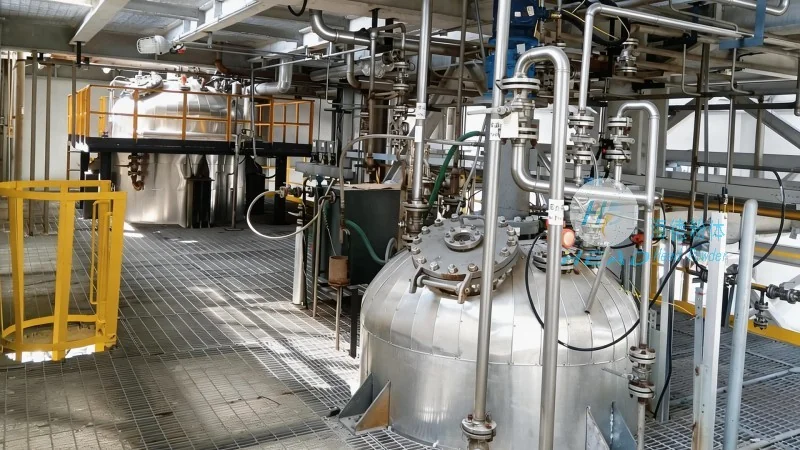
HeadPowder: Your Expert in Pneumatic Conveying Solutions
At Shandong HeadPowder Engineering Co., Ltd., we specialize in developing and manufacturing advanced pneumatic conveying systems tailored to the unique needs of industries handling fine powders. With our expertise and commitment to quality, we provide reliable solutions that optimize material transport while ensuring safety and efficiency. Our systems are designed to handle materials like silicone powder, which require precise control and minimal degradation during transport.
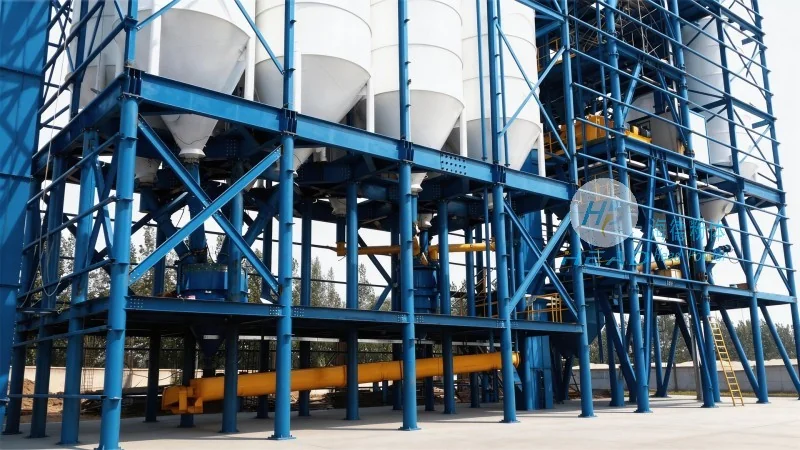
Core Components of a Silicone Powder Pneumatic Conveying System
A typical silicone powder pneumatic conveying system consists of several key components that work in tandem to achieve effective material transport. These include a hopper or feeder for material storage and feeding, a blower or compressor to generate the necessary air pressure, a pipeline network to transport the powder-air mixture, and a receiver or discharge unit to collect the material at the destination. Each component plays a critical role in maintaining the system's performance and ensuring consistent operation. The feeder, often a star valve or screw feeder, regulates the material flow rate to match the system's air capacity. The blower, typically a roots or centrifugal type, provides the pressure and airflow needed to suspend and transport the powder. The pipeline, constructed from materials like stainless steel or food-grade plastic, is designed to minimize pressure drop and prevent material buildup. The receiver, equipped with a discharge valve or airlock, ensures complete material removal from the system.
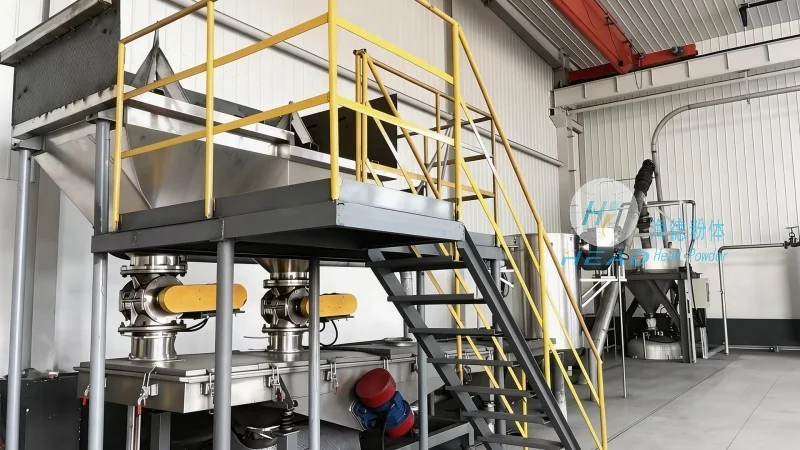
Design Principles for Efficient Material Transport
The design of a silicone powder pneumatic conveying system is based on several key principles to ensure optimal performance. First, the system must maintain a consistent air flow rate to prevent particle segregation and ensure uniform transport. This is achieved by selecting appropriate blower capacity and adjusting the feeder speed. Second, the pipeline design must minimize pressure drop and avoid dead zones where material can settle or agglomerate. Engineers use fluid dynamics principles, such as the Bernoulli equation, to calculate pressure losses and select suitable pipe diameters and lengths. Third, the system should incorporate features to control dust and prevent contamination, such as proper sealing and filtration. High-efficiency particulate air (HEPA) filters are often used to capture fine particles, ensuring compliance with industry standards. Additionally, the design considers the physical properties of the silicone powder, including its particle size distribution, density, and flowability, to select appropriate equipment and operating parameters. For example, finer particles may require higher air velocities to maintain suspension, while cohesive powders may need additional air agitation or pulse jet systems.
Advantages of Using Pneumatic Conveying for Silicone Powder
Compared to traditional methods like belt conveyors or bucket elevators, pneumatic conveying offers several advantages for handling silicone powder. These include reduced risk of product contamination due to enclosed systems, lower maintenance requirements as there are fewer moving parts, and the ability to transport materials over longer distances without significant degradation. Furthermore, pneumatic systems can handle varying material flow rates and can be easily integrated with other processing equipment, making them a versatile choice for modern industrial applications. In pharmaceutical manufacturing, for instance, pneumatic conveying helps maintain sterile conditions and prevents cross-contamination, which is critical for drug production. In food processing, it ensures that silicone powders used as additives are handled hygienically, meeting regulatory requirements like those from the FDA.
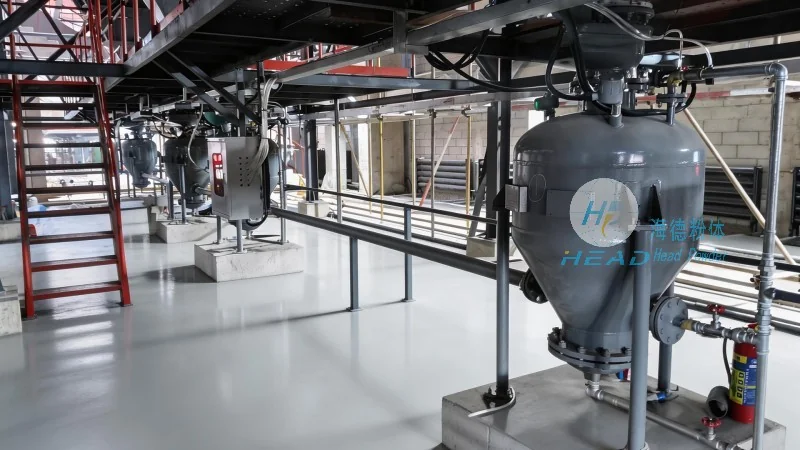
Applications in Various Industries
Silicone powder pneumatic conveying systems are widely used across multiple industries, including pharmaceuticals, food processing, and chemical manufacturing. In the pharmaceutical industry, these systems are essential for transporting fine powders used in drug formulations, such as silicone-based excipients. The enclosed design and precise control of the system help maintain the purity and consistency of the material, which is vital for patient safety. In food processing, they are used to transport silicone powders used as anti-caking agents or flavor enhancers, ensuring that the powders remain free-flowing and uncontaminated. In chemical manufacturing, they enable efficient transport of reactive or sensitive materials, minimizing the risk of accidents or material loss. For example, in the production of silicone-based polymers, pneumatic conveying systems help transport catalysts and other additives to reactors with minimal exposure to air, preventing oxidation and ensuring product quality.




