Quartz stone powder conveying equipment is a specialized system engineered to handle the transportation of quartz stone powder, a material widely used in various industrial applications such as construction, manufacturing, and chemical processing. The equipment plays a crucial role in ensuring efficient and safe movement of this fine powder from one location to another within a production facility. Understanding the functionality and design principles of such equipment is essential for optimizing operational efficiency and maintaining product quality. This equipment is designed and manufactured by Shandong HeadPowder Engineering Co., Ltd., a leading provider of specialized material handling solutions in China.
Key Components and Design Principles
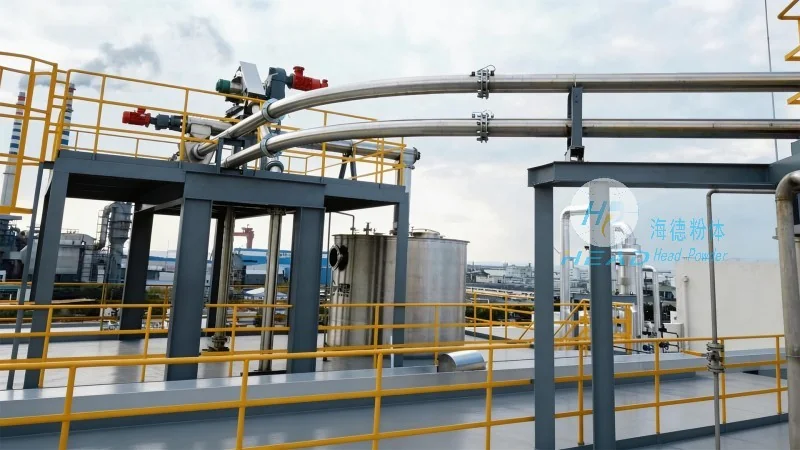
The design of quartz stone powder conveying equipment typically incorporates several key components that work in tandem to achieve effective material handling. These components include feed hoppers, conveying mechanisms (such as screw conveyors, pneumatic conveyors, or bucket elevators), control systems, and dust collection units. The selection of these components is based on factors like the particle size of the quartz stone powder, the required conveying capacity, and the distance over which the material needs to be transported. For instance, screw conveyors are often used for horizontal or slight incline transport due to their ability to handle fine powders without significant segregation, while pneumatic conveyors are suitable for longer distances and more complex layouts.
How the Equipment Operates
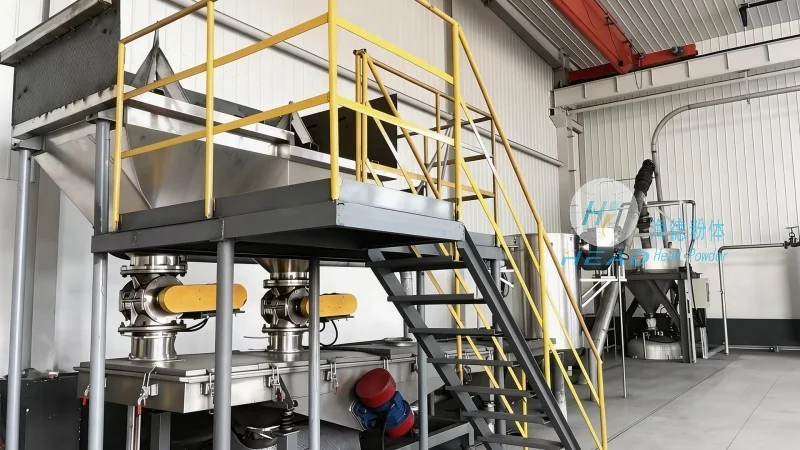
The operation of quartz stone powder conveying equipment generally involves the following steps: first, the quartz stone powder is fed into the system via a hopper, which may include a feeder to regulate the flow rate. Next, the conveying mechanism transports the powder through a pipeline or trough. In pneumatic systems, compressed air is used to create a flow that carries the powder particles, while mechanical systems rely on rotating screws or buckets to move the material. The control system monitors and adjusts the operation parameters to maintain consistent performance. Finally, the powder is discharged at the destination point, often with a dust collection system in place to prevent airborne contamination and ensure environmental compliance.
Advantages of Using Quartz Stone Powder Conveying Equipment
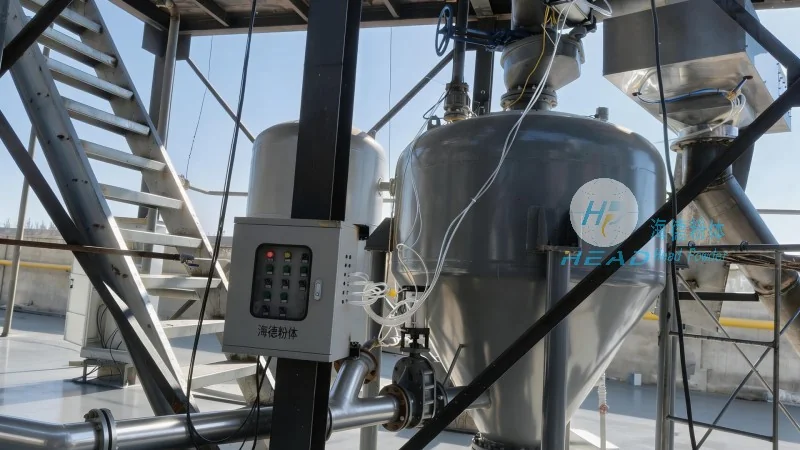
Implementing quartz stone powder conveying equipment offers several advantages for industrial operations. One of the primary benefits is the reduction in manual handling, which minimizes the risk of dust exposure and improves workplace safety. Additionally, these systems enhance operational efficiency by providing consistent and reliable material flow, which can lead to increased production throughput. The equipment also helps maintain the integrity of the quartz stone powder by preventing segregation and contamination, which is critical for applications where particle size and purity are essential. Furthermore, the design of modern conveying systems allows for integration with other production processes, enabling seamless material transfer and reducing downtime.
Applications in Different Industries
Quartz stone powder conveying equipment is utilized across a range of industries where quartz stone powder is a key raw material. In the construction industry, it is used for manufacturing quartz-based countertops and other building materials. In the manufacturing sector, it is incorporated into composite materials for automotive parts and electronic components. The chemical industry also relies on these systems for processing quartz stone powder in the production of ceramics and other products. Each application may require specific modifications to the conveying equipment, such as adjustments to the conveying speed or the use of specialized materials for the components to withstand the chemical properties of the powder.
Maintenance and Operational Considerations
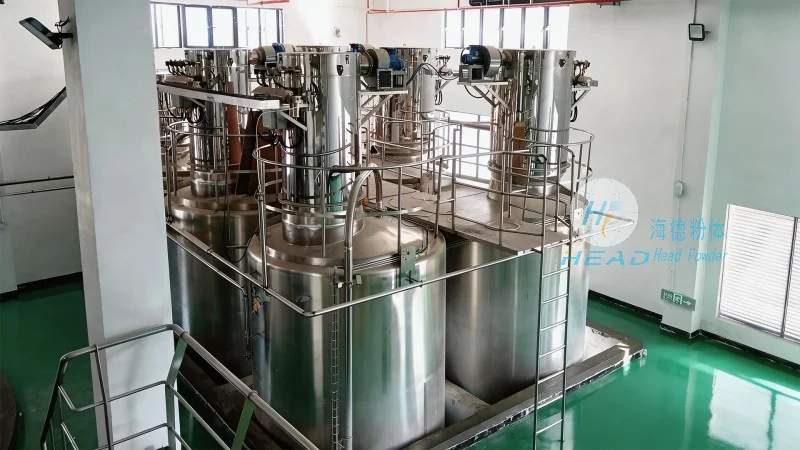
Proper maintenance of quartz stone powder conveying equipment is essential to ensure long-term performance and reliability. Regular inspections of the conveying mechanisms, feeders, and control systems are necessary to identify and address any issues before they lead to system failures. Cleaning the equipment, especially the hopper and pipeline, is crucial to prevent the buildup of powder, which can cause blockages and reduce efficiency. Additionally, monitoring the air pressure in pneumatic systems and the speed of mechanical components helps maintain optimal operation. Proper training of operators on the equipment's operation and maintenance procedures is also vital to ensure safe and efficient use. By adhering to these maintenance practices, industrial facilities can maximize the lifespan of their conveying equipment and minimize operational disruptions.




