Understanding the fundamental principles of pneumatic conveying systems for powder carbon additives is crucial for optimizing material handling processes in industrial applications. The equipment designed by Shandong HeadPowder Engineering Co., Ltd. leverages advanced pneumatic technology to efficiently transport carbon additive powders, ensuring reliability and efficiency in various production environments.
Core Components and Operational Mechanism
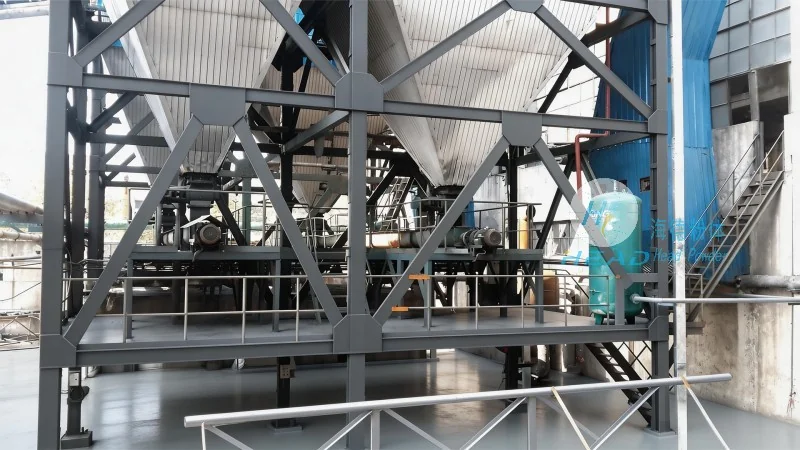
The pneumatic conveying system for powder carbon additives typically consists of several key components, including a material feed hopper, a conveying pipeline, a pressure or vacuum source, and a dust collection system. The process begins with the carbon additive powder being fed into the hopper, where it is then introduced into the conveying pipeline under controlled pressure or vacuum conditions. The air or gas flow within the pipeline propels the powder particles through the system, enabling seamless transportation from the source to the destination point. This mechanism minimizes material degradation and ensures consistent flow rates, which are critical for maintaining product quality and process stability.
Advantages of Pneumatic Conveying for Carbon Additive Powders
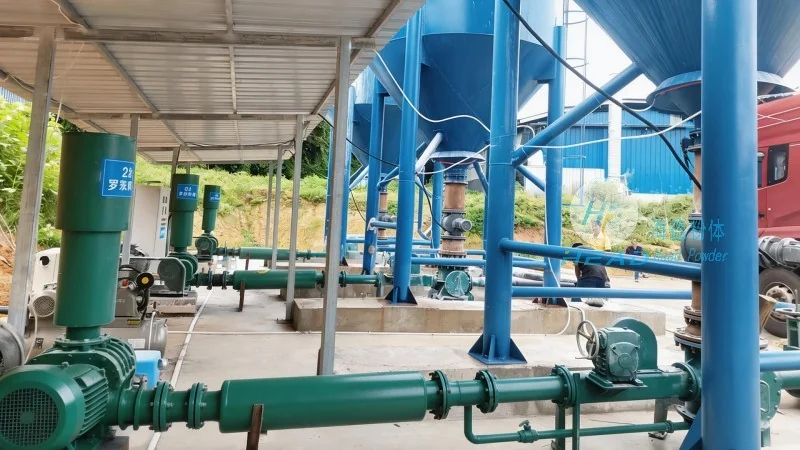
Compared to traditional mechanical conveying methods, pneumatic systems offer several advantages when handling carbon additive powders. These include reduced material contamination, as the powder is not in direct contact with metal or other surfaces that could introduce impurities. Additionally, the enclosed system prevents dust emissions, enhancing workplace safety and compliance with environmental regulations. The flexibility of pneumatic conveying also allows for easy integration with existing production lines, adapting to varying flow rates and material characteristics. Furthermore, the system's ability to handle fine powders without clogging or blockages makes it ideal for applications where precision and reliability are paramount.
Application Scenarios and Industry Impact
Shandong HeadPowder Engineering Co., Ltd.'s pneumatic conveying equipment is widely used in industries that rely on carbon additive powders, such as steel manufacturing, foundries, and chemical processing. In steel production, for example, the equipment efficiently transports carbon additives to blast furnaces or ladle furnaces, ensuring uniform material distribution and improving overall production efficiency. In foundries, the system facilitates the handling of carbon powders used in casting processes, reducing labor costs and enhancing product consistency. The consistent performance of the equipment also contributes to reduced downtime and maintenance requirements, providing long-term operational benefits for industrial facilities.
Technical Specifications and Customization Options
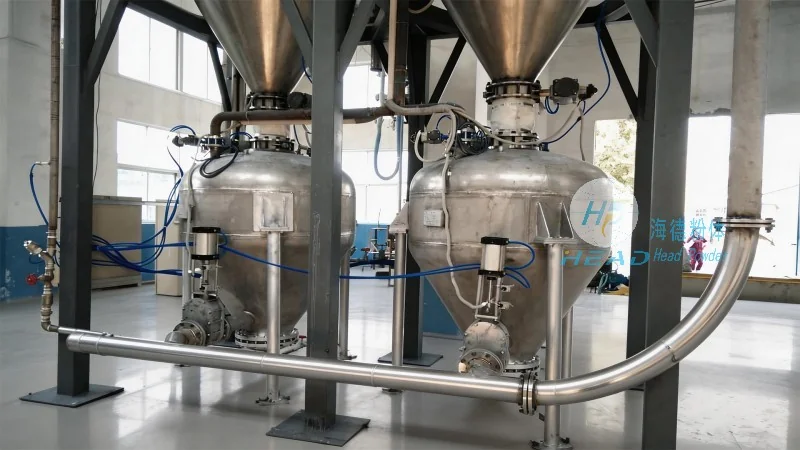
HeadPowder's pneumatic conveying systems are engineered with customizable specifications to meet the specific needs of different applications. Key technical parameters include conveying capacity, pipeline diameter, and pressure or vacuum levels, which can be tailored to handle varying powder types and flow rates. The company's expertise in material handling technology allows for the design of systems that optimize energy consumption while maintaining high efficiency. Additionally, the equipment is constructed with durable materials to withstand the abrasive nature of carbon additive powders, ensuring long service life and minimal maintenance. Customization options also extend to integration with control systems, enabling automated operation and real-time monitoring of the conveying process.




