When it comes to the conveying of nickel sulfate crystals, several methods are commonly employed in industrial settings. These methods are designed to ensure efficient and safe transportation of the crystalline material from one processing stage to another. The choice of method often depends on factors such as the scale of production, the physical properties of the nickel sulfate crystals, and the overall layout of the facility.
Mechanical Conveying Systems
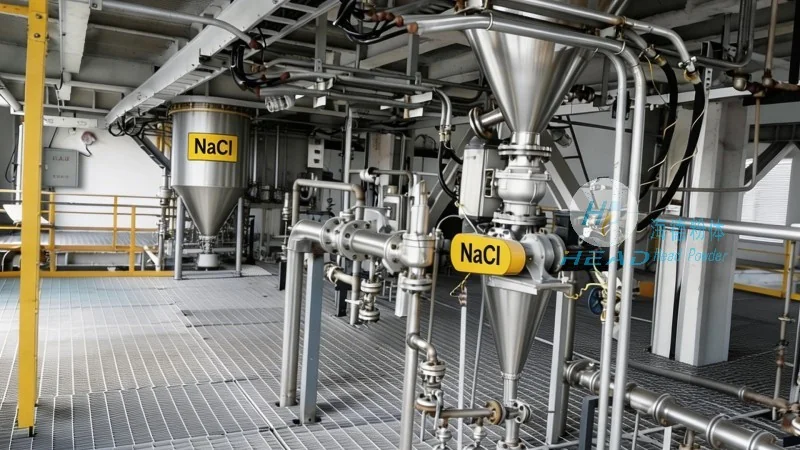
One of the most traditional and widely used methods for nickel sulfate crystallization conveying is through mechanical systems. These systems typically involve the use of equipment like belt conveyors, screw conveyors, and bucket elevators. Belt conveyors are particularly effective for transporting larger quantities of crystals over moderate distances. They are capable of handling bulk materials and can be customized with appropriate materials of construction to resist corrosion, which is a common concern when dealing with nickel sulfate solutions. Screw conveyors, on the other hand, are ideal for vertical or inclined transport of the crystals. They operate by rotating a screw within a trough, pushing the material forward. This method is especially useful when space is limited or when the conveying path requires elevation changes. Bucket elevators are another option that uses a series of buckets attached to a chain or belt to lift and transport the crystals vertically. They are highly efficient for vertical conveying and can handle a wide range of particle sizes.
Gravity Conveying and Chutes
Gravity conveying is a simple yet effective method that relies on the natural force of gravity to move nickel sulfate crystals from one point to another. This method involves the use of chutes or inclined planes that allow the crystals to slide down due to their weight. The design of the chute is critical to ensure smooth flow and to prevent material buildup or blockages. Proper angle and surface treatment are essential to maintain the flow of the crystals. Gravity conveying is often used in conjunction with other systems, such as mechanical conveyors, to reduce the overall energy consumption of the process. It is particularly suitable for shorter distances and when the material is not too fine or sticky. The advantage of this method is its low operational cost and minimal maintenance requirements. However, it may not be suitable for long distances or when the material needs to be conveyed against gravity.
Air-Driven Conveying (Pneumatic Conveying)
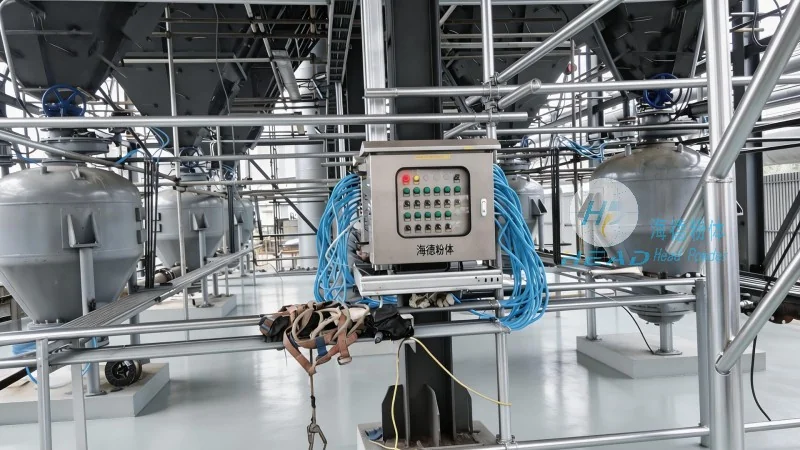
Air-driven or pneumatic conveying systems are another option for nickel sulfate crystallization conveying. These systems use compressed air to transport the crystals through a pipeline. There are two main types of pneumatic conveying: dilute phase and dense phase. Dilute phase systems are suitable for transporting fine powders or granules over moderate distances at relatively high speeds. The crystals are suspended in the air stream and carried through the pipeline. Dense phase systems, on the other hand, operate at lower air speeds and higher material concentrations, which helps to reduce particle degradation and prevent blockages. Pneumatic conveying offers several advantages, including the ability to transport materials over long distances, the flexibility to change the conveying route, and the option to integrate with other processing equipment. However, it requires a more complex system with air compressors and filtration equipment, which can increase the initial investment and operational costs. The choice between dilute and dense phase depends on the specific characteristics of the nickel sulfate crystals and the distance to be covered.
Hydraulic Conveying
Hydraulic conveying is a method that uses water or a slurry to transport nickel sulfate crystals. The crystals are mixed with water to form a slurry, which is then pumped through pipelines. This method is particularly effective for handling fine or sticky crystals that are difficult to convey using other methods. The slurry can be pumped over long distances with relatively low energy consumption compared to pneumatic systems. Hydraulic conveying is commonly used in mining and mineral processing industries where the material is already in a slurry form. However, it requires careful management of the slurry density and flow rate to prevent clogging and ensure efficient transport. The system also needs to be equipped with appropriate filtration and dewatering equipment to recover the crystals from the slurry at the end of the conveying process.
Selection Considerations for Conveying Methods
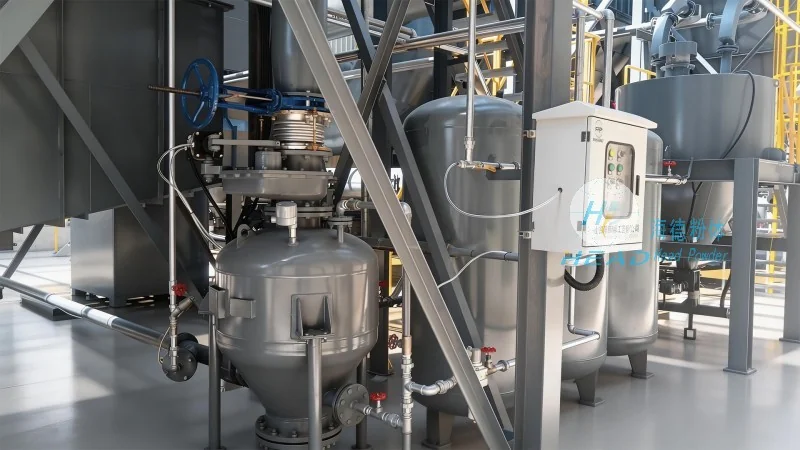
When selecting a conveying method for nickel sulfate crystallization, several factors need to be considered. The first is the physical properties of the crystals, such as particle size, shape, and moisture content. Larger, less fine crystals may be better suited for mechanical or gravity conveying, while fine or sticky crystals may require pneumatic or hydraulic systems. The second factor is the distance and layout of the facility. Short distances may be suitable for gravity or mechanical conveyors, while long distances may necessitate pneumatic or hydraulic systems. The third factor is the cost and maintenance requirements. Mechanical systems are generally low-cost and easy to maintain, while pneumatic and hydraulic systems may have higher initial costs and more complex maintenance needs. The fourth factor is the environmental considerations. Some methods, such as pneumatic conveying, may generate dust, which requires proper dust control measures. The fifth factor is the safety considerations. All conveying systems must be designed to prevent accidents and ensure the safety of personnel. This includes proper guarding, emergency stop mechanisms, and regular maintenance checks.
Conclusion
In conclusion, the choice of conveying method for nickel sulfate crystallization depends on a variety of factors, including the material properties, the distance to be covered, the cost, and the operational requirements. Mechanical systems, gravity conveying, pneumatic conveying, and hydraulic conveying are all viable options, each with its own advantages and limitations. By carefully evaluating these factors, industrial facilities can select the most appropriate conveying method to ensure efficient and safe transport of the nickel sulfate crystals. This not only improves the overall efficiency of the production process but also helps to maintain product quality and minimize operational costs.




