PTFE (Polytetrafluoroethylene), commonly known as Teflon, is a versatile and highly corrosion-resistant material widely used in industrial applications. When it comes to conveying PTFE materials, various methods are employed to ensure efficient and reliable transport. This article explores the primary methods for PTFE conveying, highlighting the key considerations and applications.
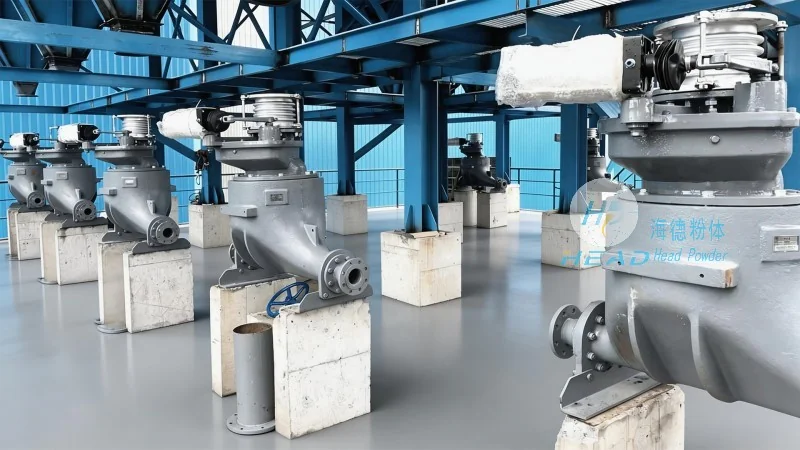
1. PTFE Lined Pipe Conveying Systems
One of the most common methods for PTFE conveying is through PTFE-lined pipes. These systems consist of standard metal pipes (such as stainless steel or carbon steel) with an inner lining of PTFE. The PTFE lining provides excellent chemical resistance, low friction, and thermal stability, making it ideal for transporting aggressive chemicals, solvents, and high-temperature fluids. The design allows for easy installation and maintenance, as the PTFE lining can be replaced without replacing the entire pipe. This method is widely used in chemical processing, pharmaceutical, and food industries where corrosion resistance is critical.
2. PTFE Flexible Hose Conveying
PTFE flexible hoses offer a flexible and portable solution for PTFE conveying. These hoses are typically made from a PTFE outer layer with a reinforcement layer (such as metal or fabric) to enhance strength and durability. The flexibility of PTFE hoses allows for easy routing around obstacles and in tight spaces, making them suitable for applications requiring mobility or frequent repositioning. PTFE hoses are particularly useful for transporting liquids or gases that may be corrosive or sensitive to contamination. They are commonly used in laboratory settings, chemical plants, and industrial maintenance operations where flexibility and resistance to chemicals are essential.
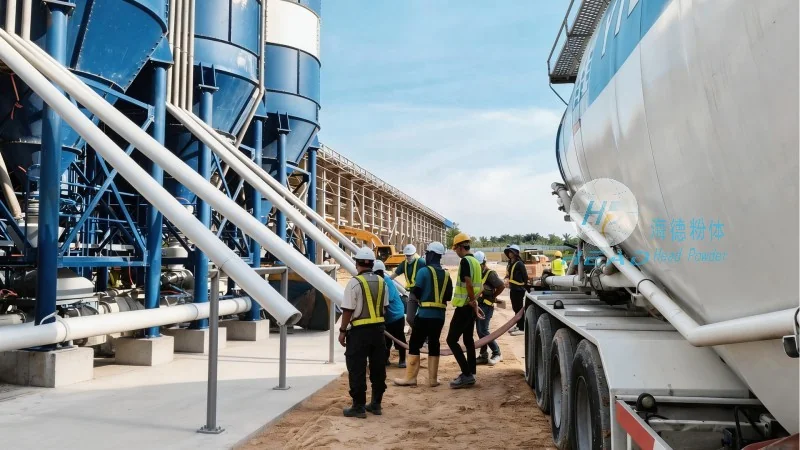
3. PTFE Pump and Metering Systems
For more controlled and precise PTFE conveying, specialized pump and metering systems are employed. These systems include peristaltic pumps, diaphragm pumps, and positive displacement pumps, all equipped with PTFE components such as liners, seals, and valves. PTFE pumps are designed to handle high-viscosity fluids and corrosive substances without degradation. The use of PTFE in pump components ensures minimal material interaction with the conveyed substance, maintaining product purity and preventing contamination. This method is crucial in industries like pharmaceuticals, where accurate dosing and contamination control are paramount. The systems can be integrated with flow meters and control valves to achieve precise flow rates and pressure regulation.
4. PTFE Screw Conveyors and Bulk Handling
In bulk material handling, PTFE screw conveyors are a popular choice for transporting powders, granules, and other solid PTFE-based materials. These conveyors consist of a rotating screw (auger) enclosed in a PTFE-lined housing. The PTFE lining reduces friction and prevents material buildup, ensuring smooth and efficient transport. Screw conveyors are widely used in the chemical, food, and pharmaceutical industries for conveying powders that are sensitive to contamination or require low friction to avoid degradation. The design allows for vertical and horizontal transport, making them versatile for various applications. The PTFE material also provides excellent resistance to abrasion and chemical attack, extending the service life of the conveyor.
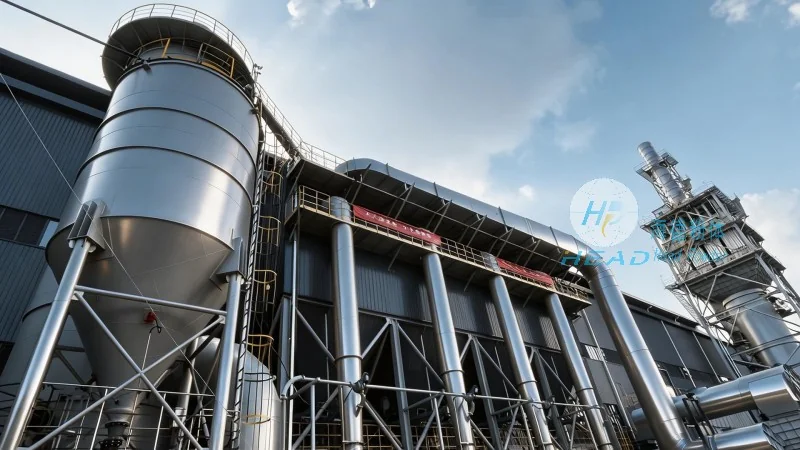
5. PTFE Tubing and Piping for Specialized Applications
For specialized applications, PTFE tubing and piping are used for precise fluid transport. These components are often used in laboratory equipment, analytical instruments, and medical devices where purity and chemical resistance are critical. PTFE tubing can be manufactured in various diameters and lengths, allowing for customization to fit specific system requirements. The smooth inner surface of PTFE tubing reduces turbulence and prevents particle adhesion, ensuring accurate measurement and transport of fluids. This method is particularly important in industries where trace contamination or product purity is non-negotiable, such as in pharmaceutical manufacturing and high-purity chemical processing.
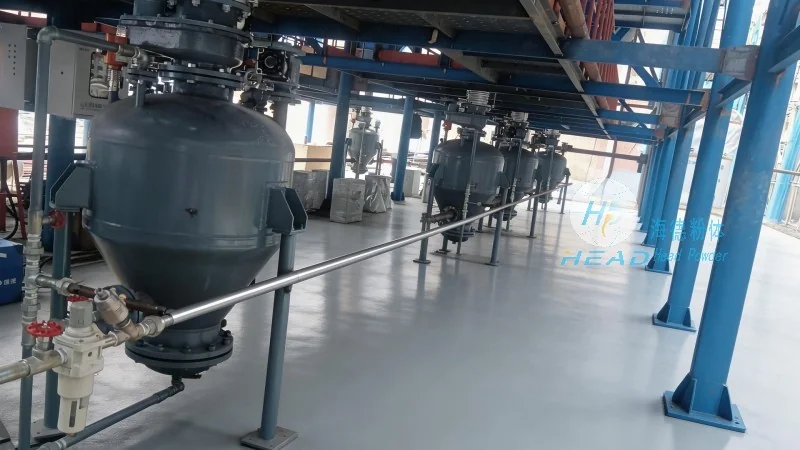
6. Considerations for PTFE Conveying
When selecting a PTFE conveying method, several factors must be considered to ensure optimal performance and longevity. These include the chemical compatibility of the PTFE material with the conveyed substance, the temperature range of operation, the required flow rate and pressure, and the space constraints of the application. Additionally, the cost of installation and maintenance should be evaluated, as PTFE systems may have higher initial costs but lower long-term maintenance expenses due to their durability and resistance to corrosion. Proper design and engineering are essential to prevent leaks and ensure the safety of the system. Regular inspection and maintenance of PTFE components are recommended to detect any signs of wear or degradation early, preventing system failures and downtime.
7. Conclusion
PTFE conveying methods offer a range of solutions tailored to different industrial needs, from bulk material handling to precise fluid transport. The choice of method depends on the specific application requirements, including the nature of the material being conveyed, the operating conditions, and the desired level of control. By understanding the advantages and limitations of each method, industries can select the most suitable PTFE conveying system to ensure efficient, reliable, and safe operation. The versatility of PTFE materials makes them an ideal choice for a wide array of conveying applications, and with proper design and maintenance, PTFE systems can provide long-term performance and cost-effectiveness.




