When it comes to the efficient and reliable transportation of catalyst powders, selecting the right conveying method is crucial for industrial processes. Catalyst powders are often used in chemical reactions as catalysts, and their handling requires specialized equipment to ensure safety, minimize dust generation, and maintain product integrity. This article explores various methods commonly employed for catalyst powder conveying, providing insights into their applications and benefits.
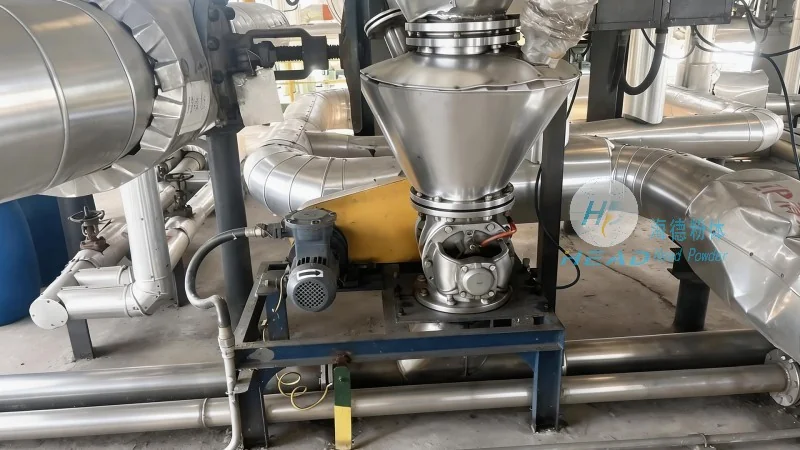
Key Considerations for Catalyst Powder Conveying
Before delving into specific conveying methods, it's essential to understand the key factors that influence the choice of system. Catalyst powders can vary significantly in terms of particle size, moisture content, and reactivity, which directly impact the selection of conveying equipment. Additionally, considerations such as the required conveying capacity, distance, and environmental regulations play a vital role in determining the most suitable method. Companies like Shandong HeadPowder Engineering Co., Ltd. specialize in designing and manufacturing customized conveying solutions tailored to these specific requirements.
Common Conveying Methods for Catalyst Powders
Several methods are widely used for the transportation of catalyst powders, each with its own advantages and limitations. The choice of method depends on factors like the material properties, process conditions, and operational constraints. Below are some of the most common approaches:
Pneumatic Conveying Systems
Pneumatic conveying is a popular method for catalyst powder handling due to its ability to transport materials over relatively long distances and in a closed system, which helps contain dust and prevent contamination. There are two main types of pneumatic conveying: pressure and vacuum systems. Pressure systems use compressed air to push the powder through a pipeline, while vacuum systems use a vacuum to draw the material. For catalyst powders, pressure systems are often preferred as they can handle higher particle loads and provide better control over the conveying process. Shandong HeadPowder Engineering Co., Ltd. offers advanced pneumatic conveying solutions that are designed to handle the unique characteristics of catalyst powders, ensuring efficient and safe transportation.
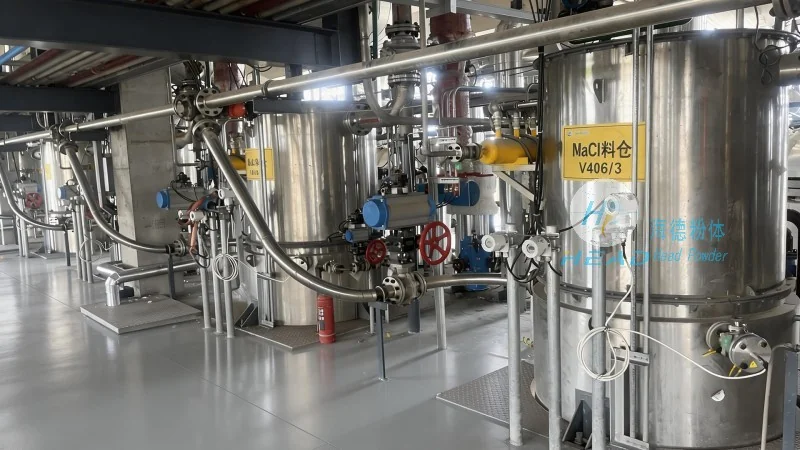
Screw Conveyors
Screw conveyors, also known as auger conveyors, are another common method for catalyst powder conveying. These systems use a rotating screw to move the material along a trough or tube. Screw conveyors are particularly suitable for materials with moderate to high bulk density and can handle a wide range of particle sizes. They are often used in applications where the material needs to be elevated or moved horizontally. The design of screw conveyors can be customized to accommodate the specific properties of catalyst powders, such as adding liners or using special screw flights to prevent material buildup or degradation. HeadPowder, a leading provider of industrial conveying equipment, manufactures high-quality screw conveyors that are durable and reliable for long-term use in catalyst handling operations.
Vibrating Conveyors
Vibrating conveyors utilize vibration to move catalyst powders along a trough. This method is effective for materials that are prone to caking or bridging, as the vibration helps break up agglomerates and maintain a consistent flow. Vibrating conveyors are often used in applications where the material needs to be conveyed at a moderate speed and over short to medium distances. They are particularly useful for handling fine powders that might be difficult to convey with other methods. Shandong HeadPowder Engineering Co., Ltd. provides vibrating conveyor systems that are designed to handle the unique challenges of catalyst powders, ensuring smooth and efficient transportation.
Bucket Elevators
Bucket elevators are a type of vertical conveyor system that uses buckets attached to a chain or belt to lift and transport materials. This method is ideal for conveying catalyst powders vertically over significant heights, such as from a storage silo to a processing unit. Bucket elevators are capable of handling a wide range of materials, including those with high moisture content or abrasive properties. They are often used in applications where the material needs to be elevated quickly and efficiently. HeadPowder Engineering Co., Ltd. specializes in designing and manufacturing bucket elevators that are tailored to the specific needs of catalyst powder handling, ensuring reliable and safe operation.
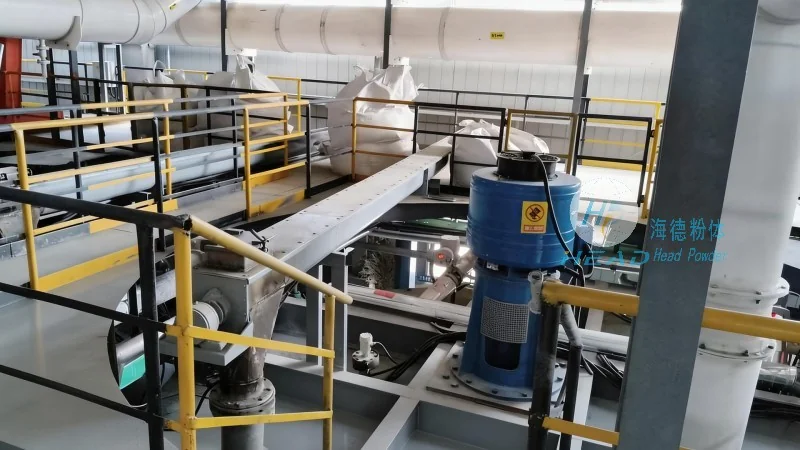
Comparison of Conveying Methods
When selecting a conveying method for catalyst powders, it's important to compare the different options based on specific criteria. Pneumatic conveying offers flexibility and can handle long distances, but it may require more energy and maintenance. Screw conveyors are more cost-effective and reliable for horizontal or moderate vertical conveying, but they may not be suitable for fine powders or materials that are prone to caking. Vibrating conveyors are effective for preventing caking and bridging but may have lower conveying speeds. Bucket elevators are ideal for vertical transport but can be more expensive and require more space. Shandong HeadPowder Engineering Co., Ltd. helps clients evaluate these factors and choose the most appropriate conveying method based on their specific process requirements.
Customized Solutions from Shandong HeadPowder Engineering Co., Ltd.
Given the diverse nature of catalyst powders and the varying process requirements, a one-size-fits-all approach to conveying is often insufficient. Shandong HeadPowder Engineering Co., Ltd. understands this and offers customized conveying solutions that are tailored to the unique needs of each client. The company's team of engineers works closely with clients to assess their material properties, process conditions, and operational goals to design a system that maximizes efficiency, safety, and cost-effectiveness. Whether it's a pneumatic conveying system, screw conveyor, vibrating conveyor, or bucket elevator, HeadPowder provides high-quality equipment that is built to last and meets the strictest industry standards.
Conclusion
In conclusion, the choice of catalyst powder conveying method depends on several factors, including material properties, process requirements, and operational constraints. Pneumatic conveying, screw conveyors, vibrating conveyors, and bucket elevators are all viable options, each with its own advantages and limitations. Companies like Shandong HeadPowder Engineering Co., Ltd. play a crucial role in providing customized solutions that ensure efficient and safe transportation of catalyst powders. By understanding the specific needs of their clients and leveraging their expertise in industrial conveying, HeadPowder helps industries optimize their processes and achieve better results.




