Seasoning ingredients are the backbone of flavor in countless food products, from savory sauces to sweet desserts. However, the efficient and hygienic transportation of these powders and granules from storage to production lines is a critical challenge for manufacturers. Traditional methods like manual handling or mechanical conveyors often fall short in meeting the demands of modern food processing, where speed, cleanliness, and product integrity are paramount. This article explores the various conveying methods available for seasoning ingredients and highlights the advanced solutions offered by Shandong HeadPowder Engineering Co., Ltd., commonly known as HeadPowder, focusing on their pneumatic conveying systems.
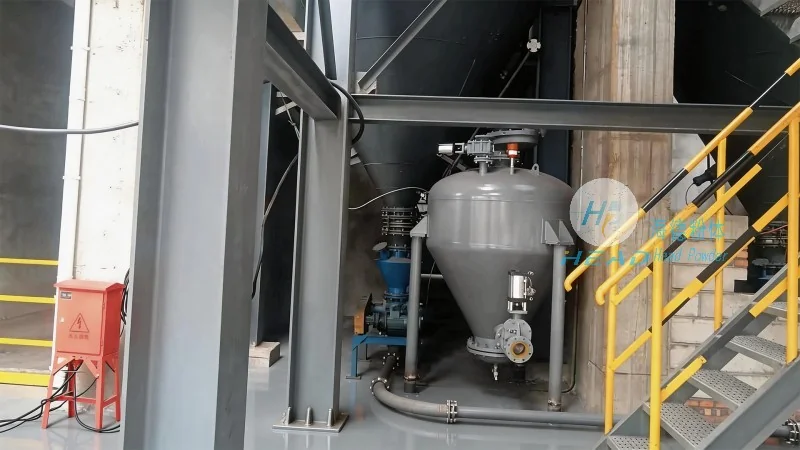
Understanding Seasoning Conveying: The Core Challenges
The primary goal of seasoning conveying is to move powders and granules from their storage containers to processing equipment without compromising quality or safety. Traditional methods such as bucket elevators or screw conveyors can be effective but often introduce issues like product degradation, contamination, or uneven flow. For example, mechanical conveyors may cause friction that leads to particle breakdown or generate heat, which can affect the flavor profile of sensitive seasonings. Additionally, manual handling is not only labor-intensive but also poses hygiene risks, as human contact can introduce bacteria or foreign particles into the product stream. These challenges underscore the need for specialized conveying systems designed specifically for the unique properties of seasoning ingredients.
Common Conveying Methods for Seasonings
Several conventional methods are used in the food industry to transport seasoning ingredients. One of the most widely adopted is the mechanical conveyor, which includes screw conveyors and belt conveyors. Screw conveyors use a rotating screw to move materials along a tube, while belt conveyors rely on a moving belt to transport products. These systems are relatively simple and cost-effective for short distances and low volumes. However, they have limitations when dealing with fine powders or granules, as they can cause blockages, product segregation, or contamination. Another method is the bucket elevator, which uses a series of buckets attached to a chain or belt to lift materials vertically. While effective for vertical transport, bucket elevators can be noisy and may not handle fine powders well due to the risk of clogging.
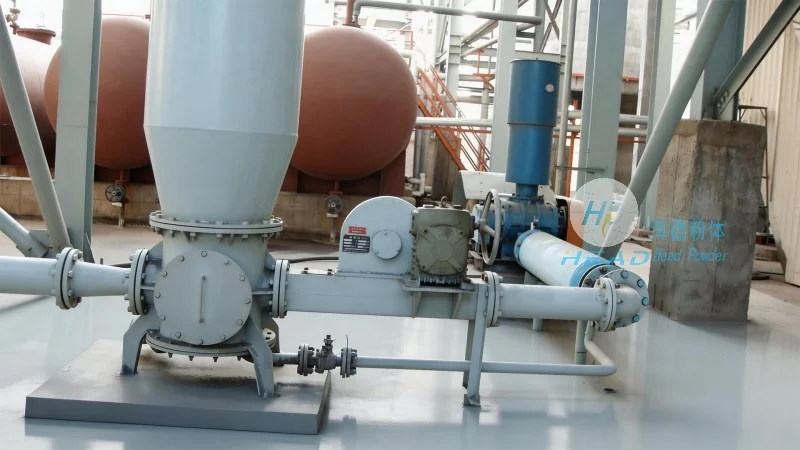
Introducing HeadPowder's Pneumatic Conveying System: A Superior Solution
HeadPowder, a leading manufacturer based in Shandong, China, specializes in providing advanced pneumatic conveying solutions tailored to the needs of the seasoning industry. Their systems utilize air pressure to transport powders and granules through a network of pipes, eliminating the need for mechanical parts that can cause product degradation or contamination. The pneumatic conveying system from HeadPowder is designed with several key features that address the challenges faced by traditional methods. First, it offers a hygienic and clean operation, as the system is fully enclosed and made from materials that meet food-grade standards. This ensures that the seasoning ingredients remain free from external contaminants throughout the conveying process. Second, the system provides precise control over flow rates and pressure, allowing manufacturers to adjust the speed of material transport according to their production needs. This flexibility is crucial for maintaining consistent product quality and preventing over-conveying or under-conveying, which can affect the final flavor profile of the seasoning.
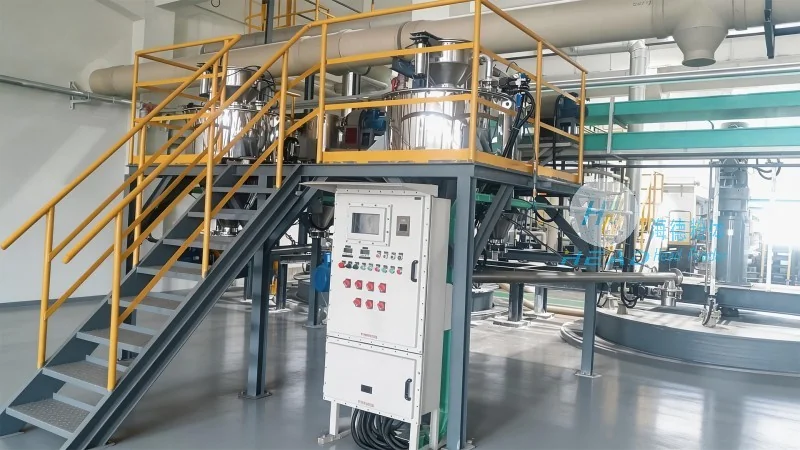
Key Advantages of HeadPowder's Pneumatic Conveying System
The pneumatic conveying system from HeadPowder offers numerous advantages over traditional methods. One of the most significant benefits is its ability to handle a wide range of seasoning types, from fine powders like spices and herbs to larger granules like salt and sugar. The system can transport these materials without causing particle breakdown or segregation, ensuring that the product's original characteristics are preserved. Another advantage is the reduced risk of product contamination. Unlike mechanical conveyors that may introduce metal or plastic particles, pneumatic systems use soft materials like rubber or plastic for the conveying lines, minimizing the risk of foreign object contamination. Additionally, the system is highly efficient in terms of energy consumption, as it uses compressed air to move materials, which is more energy-efficient than mechanical systems that rely on motors and gears. This not only reduces operational costs but also contributes to a more sustainable manufacturing process.
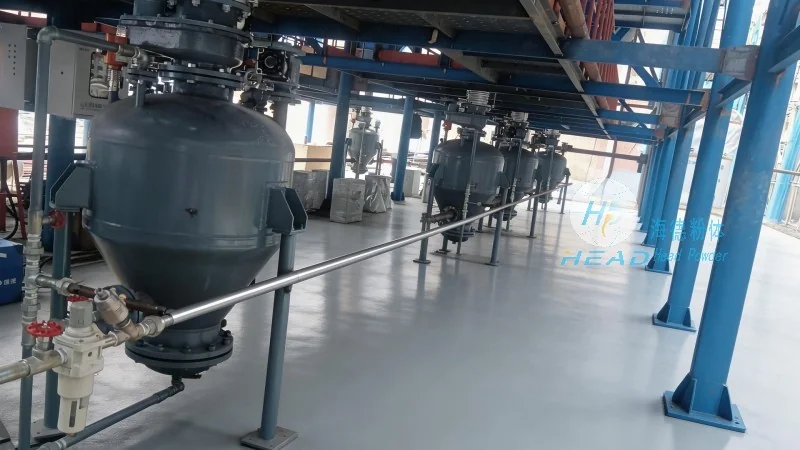
Customization and Scalability: Meeting Diverse Production Needs
HeadPowder understands that each seasoning manufacturer has unique production requirements, which is why their pneumatic conveying systems are highly customizable. The company offers a range of configurations, including positive pressure, negative pressure, and mixed pressure systems, allowing customers to choose the most suitable option based on their specific needs. For example, a positive pressure system is ideal for conveying materials over long distances or to multiple destinations, while a negative pressure system is better suited for applications where dust control is a priority. Additionally, the systems can be scaled to accommodate different production volumes, from small-scale operations to large industrial facilities. This flexibility ensures that manufacturers can invest in a conveying system that meets their current needs while allowing for future expansion as their business grows.
Conclusion: Choosing the Right Conveying System for Seasonings
In conclusion, the choice of conveying method for seasoning ingredients is a critical decision that impacts product quality, efficiency, and safety. While traditional methods like mechanical conveyors and bucket elevators have their place, they often fall short in meeting the demands of modern food processing. HeadPowder's pneumatic conveying system offers a superior alternative, providing a hygienic, efficient, and flexible solution for transporting seasoning ingredients. By leveraging advanced technology and customization options, HeadPowder helps manufacturers maintain the integrity of their products while optimizing their production processes. For companies looking to enhance their seasoning conveying operations, HeadPowder's solutions provide a reliable and effective path forward.




