Shandong HeadPowder Engineering Co., Ltd. is a professional manufacturer specializing in pneumatic conveying systems for various bulk materials, including dry manure. The company is located in Shandong, China, and has established a strong reputation for its reliable and efficient solutions in the agricultural and waste management sectors.
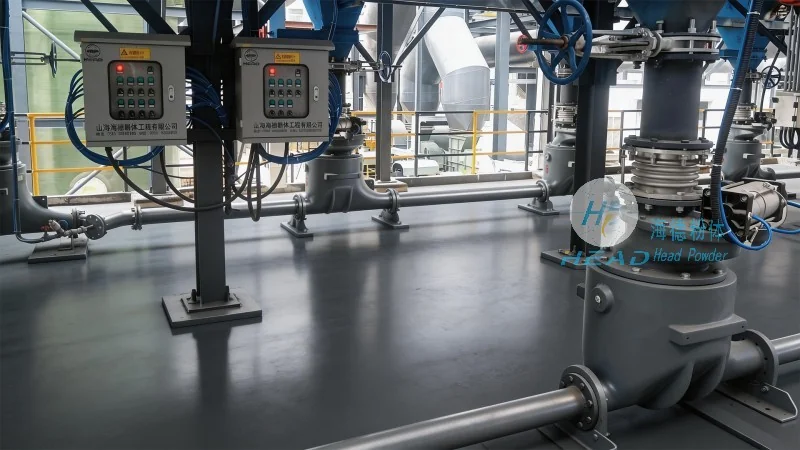
Overview of Pneumatic Conveying Systems for Dry Manure
Pneumatic conveying equipment is a critical component in modern agricultural and waste processing facilities, enabling the efficient and hygienic transport of dry manure from collection points to processing or storage areas. This technology utilizes air as the primary medium to move materials through a network of pipes, eliminating the need for mechanical components that could cause contamination or damage to the material. The system is designed to handle a wide range of dry manure characteristics, including different moisture levels, particle sizes, and bulk densities, ensuring consistent performance under various operational conditions.
Key Components of the Pneumatic Conveying Equipment
The pneumatic conveying system for dry manure typically consists of several key components that work in tandem to achieve effective material transport. These include a material hopper or feeder, an air compressor or blower, a conveying line (usually made of stainless steel or other corrosion-resistant materials), and a receiver or discharge unit. The material hopper is responsible for storing and feeding the dry manure into the system, while the air compressor generates the necessary pressure to move the material through the pipes. The conveying line is designed to withstand the pressure and temperature variations, ensuring durability and minimal material degradation. The receiver unit collects the conveyed material and discharges it into the next processing stage.
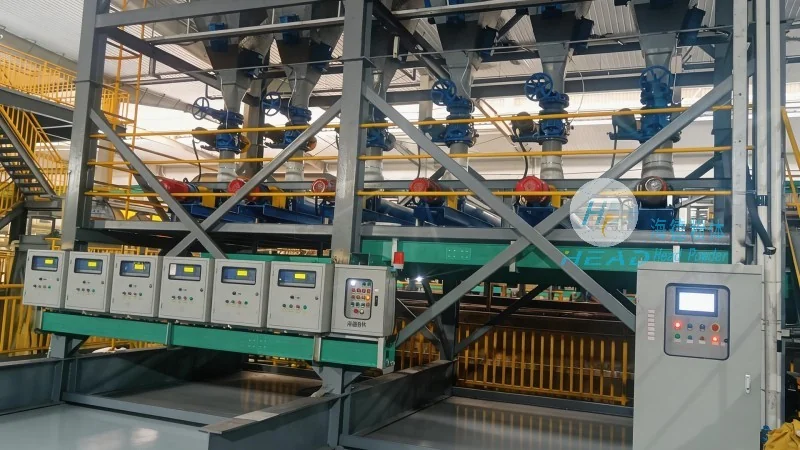
Operation Process of the Pneumatic Conveying Equipment
The operation process of the pneumatic conveying equipment for dry manure involves several sequential steps that ensure smooth and continuous material transport. First, the dry manure is loaded into the material hopper. The feeder then regulates the flow of material into the conveying line, ensuring a consistent feed rate. Simultaneously, the air compressor starts and generates a flow of compressed air. The air and material are mixed in the hopper or feeder, creating a slurry-like mixture that is then propelled through the conveying line by the air pressure. As the mixture travels through the pipes, it is accelerated and maintained in suspension by the air flow. The receiver unit captures the material at the end of the line, and the air is typically filtered and recycled back to the compressor to conserve energy and reduce operational costs.
Working Principle of the Pneumatic Conveying Equipment
The working principle of the pneumatic conveying equipment for dry manure is based on the fundamental concept of air as a conveying medium. When the air compressor provides a high-pressure air stream, it creates a pressure differential between the hopper and the receiver. This pressure differential drives the dry manure particles into the air stream, causing them to become suspended and transported through the pipes. The key to efficient operation is maintaining the correct air-to-material ratio, which ensures that the material remains in suspension without settling or clogging the system. The system also incorporates features such as air filters and moisture control mechanisms to prevent material degradation and maintain the quality of the dry manure during transport.
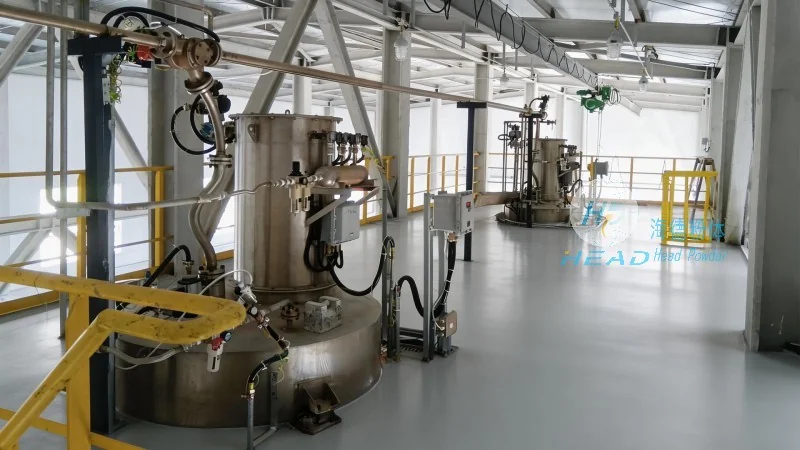
Advantages of Using Pneumatic Conveying Equipment for Dry Manure
Implementing pneumatic conveying equipment for dry manure offers several significant advantages over traditional mechanical conveying methods. Firstly, it provides a hygienic and clean transport process, as the material is not in direct contact with mechanical components that could introduce contaminants. This is particularly important in agricultural settings where maintaining the quality of the manure is crucial for subsequent use as fertilizer. Secondly, the system is highly efficient in terms of energy consumption, as the air can be recycled and reused, reducing operational costs. Additionally, pneumatic conveying systems are flexible and can be easily integrated into existing facilities, allowing for scalability and adaptability to changing production needs. The equipment also minimizes labor requirements and reduces the risk of material spillage or handling injuries, enhancing overall workplace safety.
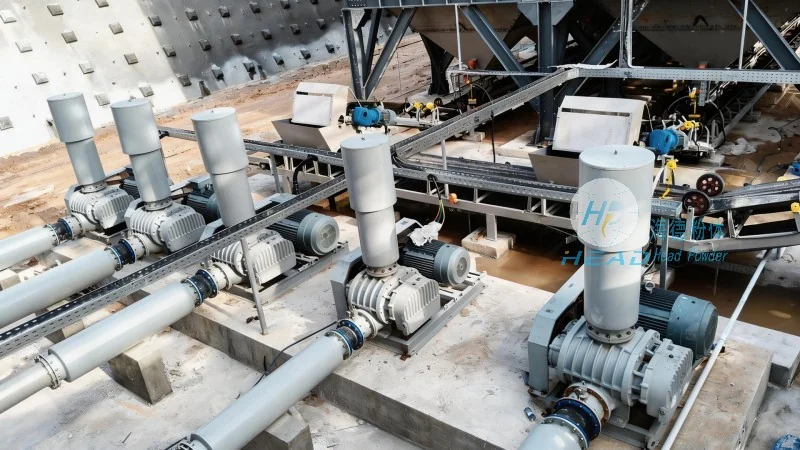
Applications and Industries Served by the Equipment
The pneumatic conveying equipment for dry manure is widely used in various industries, primarily in the agricultural sector for livestock farming, where large volumes of manure need to be collected and processed. It is also applicable in waste management facilities that handle organic waste, including composting plants and biogas production sites. The equipment is designed to handle different types of dry manure, such as from cattle, pigs, or poultry, and can be customized to meet the specific requirements of each application. The flexibility and efficiency of the system make it a preferred choice for facilities that require reliable and continuous material transport, ensuring smooth operations and optimal performance.
Maintenance and Operational Considerations
To ensure the long-term reliability and efficiency of the pneumatic conveying equipment for dry manure, regular maintenance and proper operational practices are essential. The company recommends routine inspections of all components, including the air compressor, conveying lines, and material feeders, to identify and address any potential issues before they escalate. Cleaning the air filters and conveying lines regularly is crucial to prevent clogging and maintain optimal air flow. Additionally, monitoring the air-to-material ratio and adjusting it as needed helps to ensure efficient transport and prevent material degradation. Proper training of operators on the equipment's operation and maintenance is also vital to maximize its lifespan and performance. By adhering to these guidelines, facilities can minimize downtime, reduce maintenance costs, and ensure consistent and reliable transport of dry manure.




