When discussing the components of sodium carbonate pneumatic conveying systems, it's essential to understand the core elements that enable efficient material handling. The system's design is tailored to transport sodium carbonate, a widely used chemical in various industrial applications, through an air-driven process. This method offers advantages such as reduced labor costs, improved safety, and enhanced process control compared to traditional bulk material handling techniques. HeadPowder Engineering Co., Ltd., a leading manufacturer based in Shandong, China, specializes in the design and implementation of such systems, ensuring optimal performance for clients across different industries.
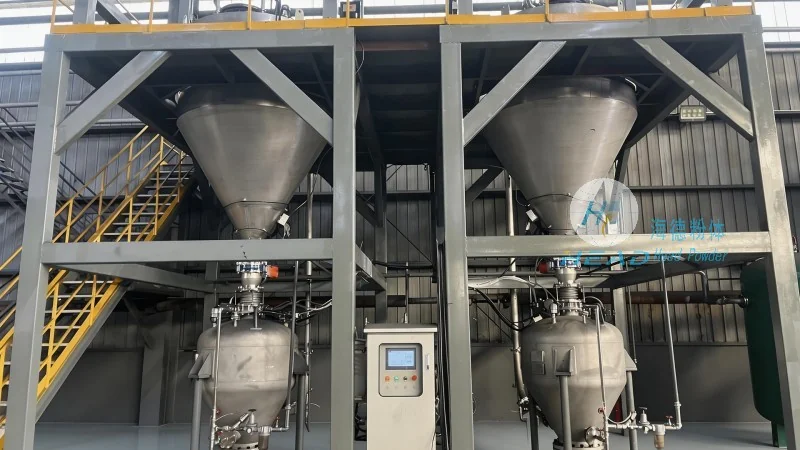
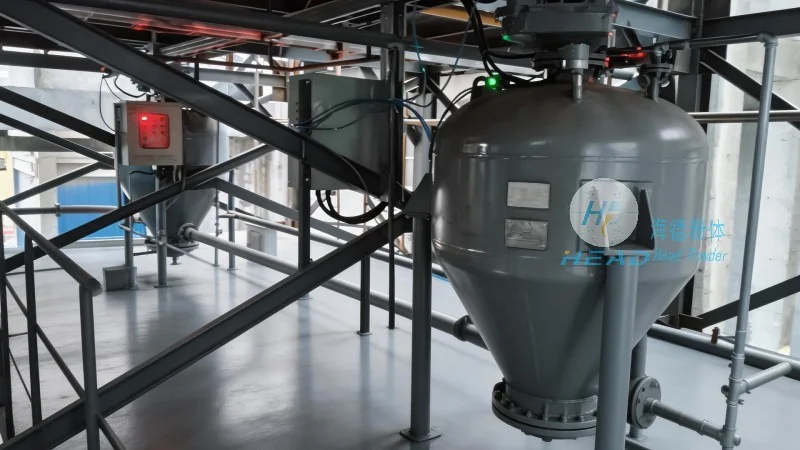
Key System Components for Sodium Carbonate Pneumatic Conveying
The pneumatic conveying system for sodium carbonate typically consists of several critical components that work in tandem to ensure smooth operation. These components include the material feed hopper, which holds the sodium carbonate and regulates the flow rate; the air compressor or blower, which generates the necessary airflow to move the material; the conveying pipeline, which transports the sodium carbonate from the source to the destination; and the receiver or discharge hopper, where the material is collected. Additionally, the system may incorporate accessories like filters to prevent dust accumulation, pressure regulators to maintain consistent air pressure, and control valves to manage the flow of both material and air. Each component plays a vital role in the overall efficiency and reliability of the sodium carbonate conveying process.
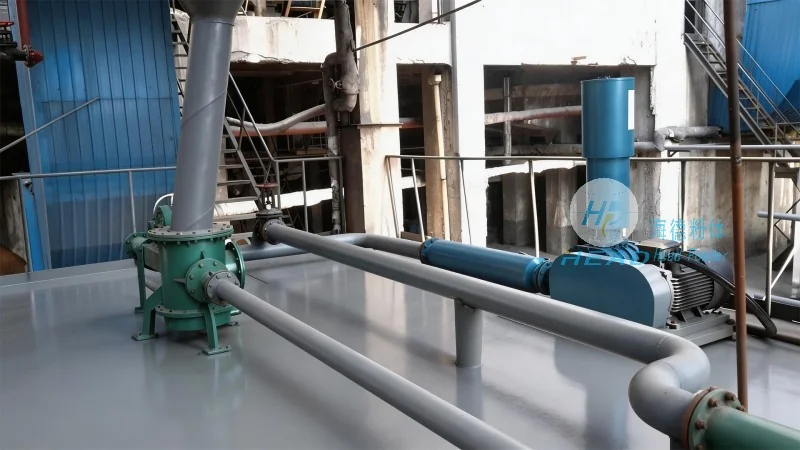
Material Feed and Hopper Design Considerations
The material feed hopper is a crucial component in sodium carbonate pneumatic conveying systems, as it directly impacts the system's efficiency and reliability. The hopper is designed to accommodate the bulk storage of sodium carbonate, ensuring a consistent supply to the conveying line. It often features a conical or hopper-shaped structure to facilitate gravity-fed material flow. The hopper may also include a rotary valve or feeder at the discharge end to control the material discharge rate, preventing overloading or underloading of the conveying line. The design of the hopper must consider factors such as material flow properties, moisture content, and potential for caking or bridging, as these can affect the system's performance. For example, if the sodium carbonate is prone to caking, the hopper may be equipped with a vibratory or agitator system to break up any agglomerates and maintain smooth flow. The hopper's material of construction, such as stainless steel or corrosion-resistant alloys, is also critical to prevent chemical reactions with the sodium carbonate and ensure long-term durability.
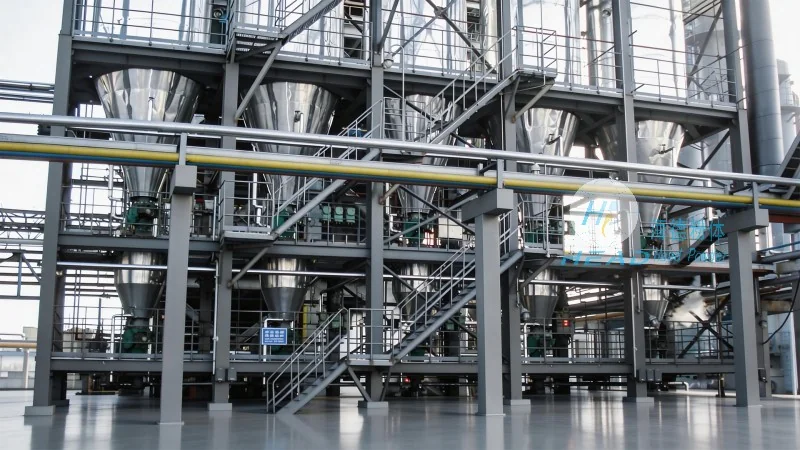
Air Compressor and Blower Selection for Sodium Carbonate Conveying
The air compressor or blower is the heart of the pneumatic conveying system, responsible for generating the airflow that propels the sodium carbonate particles through the pipeline. For sodium carbonate, which is a dry, free-flowing powder, a positive displacement blower or a centrifugal fan is commonly used. The choice of compressor depends on factors like the system's capacity, the distance the material needs to travel, and the required air pressure. A positive displacement blower provides a consistent airflow at lower pressures, making it suitable for short to medium conveying distances. In contrast, a centrifugal fan is more efficient for high-volume applications or longer distances, offering higher air velocities. The compressor must also be equipped with appropriate safety features, such as pressure relief valves and temperature sensors, to prevent over-pressurization and ensure safe operation. The blower's power rating and efficiency are also important considerations, as they directly impact the energy consumption and operational costs of the system. HeadPowder Engineering Co., Ltd. offers a range of blower options tailored to specific application requirements, ensuring optimal performance and energy savings.




