Understanding the components of pneumatic conveying systems is crucial for optimizing the handling of coconut shell powder, a material widely used in various industrial applications. The process involves several key elements that work in tandem to ensure efficient and reliable material transport. This article explores the essential components that constitute a pneumatic conveying system for coconut shell powder, highlighting the technology and equipment used by Shandong HeadPowder Engineering Co., Ltd., a leading provider in the field.
Core Components of Pneumatic Conveying Systems
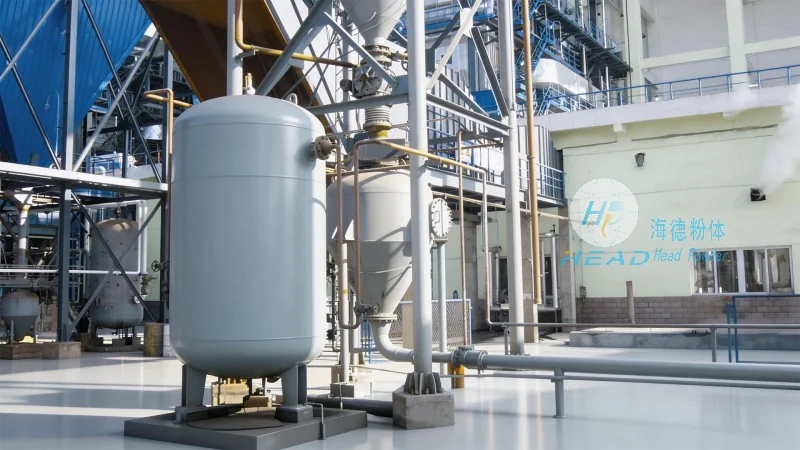
The pneumatic conveying of coconut shell powder typically consists of several interconnected components designed to handle the material from source to destination. The primary components include the material feed system, the conveying line, the air supply system, and the separation and collection units. Each component plays a vital role in the overall efficiency and effectiveness of the system.
Material Feed System
The material feed system is the initial stage where coconut shell powder is introduced into the conveying process. This system ensures that the material is fed into the conveying line in a controlled manner, preventing blockages and ensuring consistent flow. Common feed methods include rotary valves, screw feeders, and hopper feeders, which are designed to handle the bulk density and flow characteristics of coconut shell powder. The feed system is critical as it sets the foundation for the entire conveying operation, affecting the system's capacity and reliability.
Air Supply System
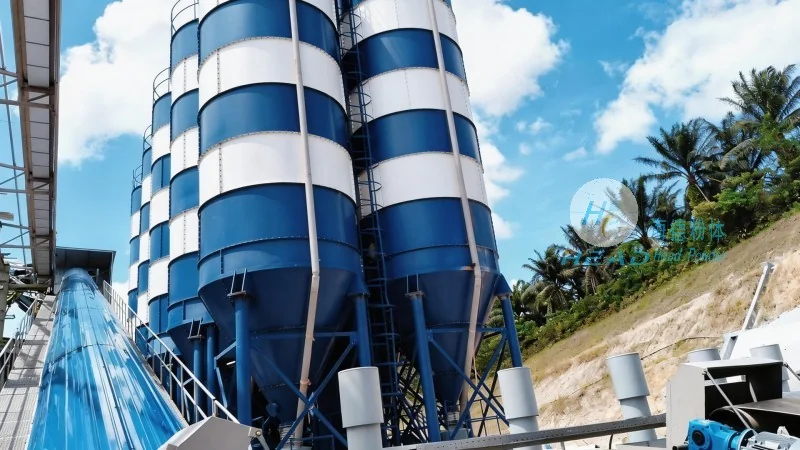
The air supply system is another fundamental component that provides the necessary pressure and volume of air to move the coconut shell powder through the conveying line. This system typically includes a blower or compressor, which generates the airflow required to transport the material. The choice of air supply equipment depends on the system's capacity, the distance of material transport, and the specific characteristics of the coconut shell powder, such as its particle size and moisture content. Proper air supply management is essential to maintain the efficiency of the conveying process and to prevent issues like clogging or material degradation.
Conveying Line
The conveying line, often made of metal or plastic, serves as the pathway for the coconut shell powder and air mixture. It is designed to withstand the pressure and abrasion caused by the material and the airflow. The line may include bends, elbows, and straight sections, with each component carefully engineered to minimize pressure loss and ensure smooth material flow. The design of the conveying line is tailored to the specific requirements of the application, considering factors like the distance between the feed and discharge points, the required flow rate, and the need for horizontal or vertical transport. The material of the line, such as stainless steel or high-density polyethylene, is selected based on the material's properties and the operating conditions to ensure durability and resistance to corrosion.
Separation and Collection Units
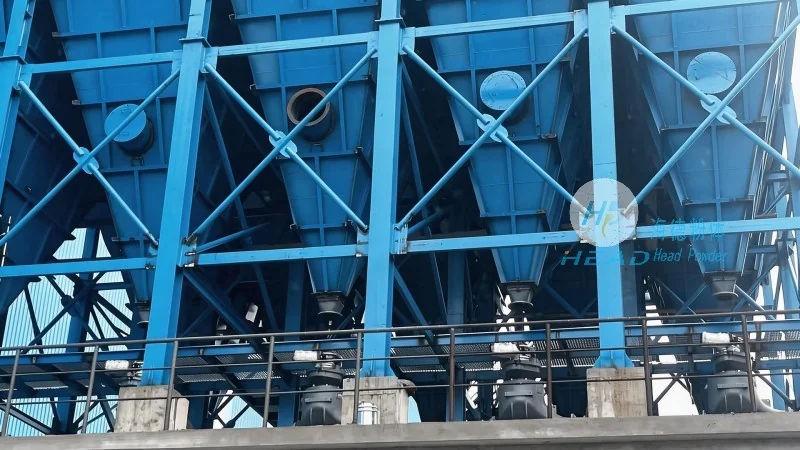
The final stage of the pneumatic conveying system involves the separation and collection of the coconut shell powder from the air stream. This is typically achieved through a combination of cyclone separators, filters, and collection hoppers. The cyclone separator uses centrifugal force to separate the larger particles of coconut shell powder from the air, while the filter captures finer particles and dust. The collected powder is then discharged into a collection hopper or storage container. These units are essential for maintaining the purity of the material and ensuring that the air is cleaned before being released back into the environment. Proper design and maintenance of the separation and collection units are critical to prevent material loss and to comply with environmental regulations.
Control and Monitoring Systems
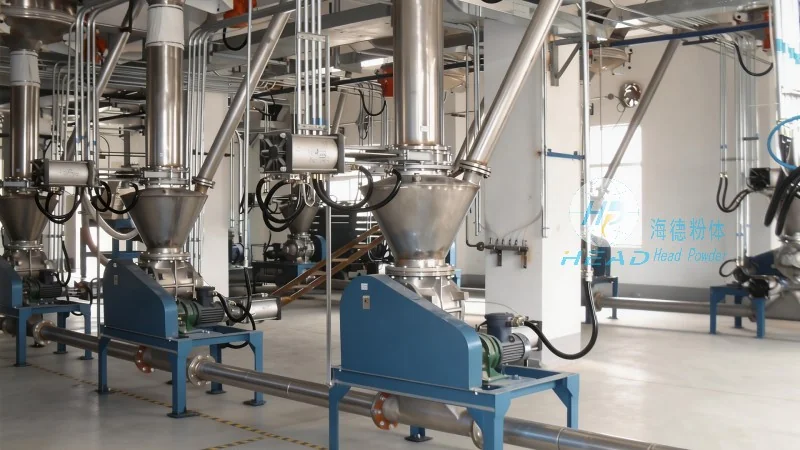
Modern pneumatic conveying systems for coconut shell powder often incorporate advanced control and monitoring systems to optimize performance and ensure safety. These systems may include sensors to monitor pressure, flow rate, and material level, as well as control panels to adjust the operation of the equipment. The control system allows for real-time adjustments to the conveying process, enabling operators to respond quickly to changes in material conditions or system performance. Additionally, monitoring systems can provide data for maintenance planning and system optimization, helping to extend the lifespan of the equipment and reduce operational costs. The integration of control and monitoring technology enhances the reliability and efficiency of the pneumatic conveying system, making it a more sustainable and cost-effective solution for handling coconut shell powder.
Application and Benefits
The components of a pneumatic conveying system for coconut shell powder are designed to address the specific challenges of handling this material. By using a combination of feed, air supply, conveying line, and separation units, the system can efficiently transport coconut shell powder over long distances and in various orientations. The benefits of pneumatic conveying include reduced labor costs, improved safety by eliminating manual handling, and increased efficiency compared to traditional methods like bucket elevators or belt conveyors. The technology also minimizes material degradation and contamination, which is crucial for applications where the quality of the coconut shell powder is critical, such as in the production of activated carbon or other industrial products. Shandong HeadPowder Engineering Co., Ltd. specializes in designing and manufacturing customized pneumatic conveying systems tailored to the unique needs of their clients, ensuring optimal performance and reliability for the handling of coconut shell powder.




