When it comes to the efficient handling and transportation of activated carbon, selecting the right conveying method is crucial for industrial processes. Activated carbon, widely used in water treatment, air purification, and chemical processing, requires reliable and effective methods to move it from storage to processing units. This article explores the common methods used for activated carbon conveying, highlighting the key approaches that ensure safety, efficiency, and cost-effectiveness in industrial applications.
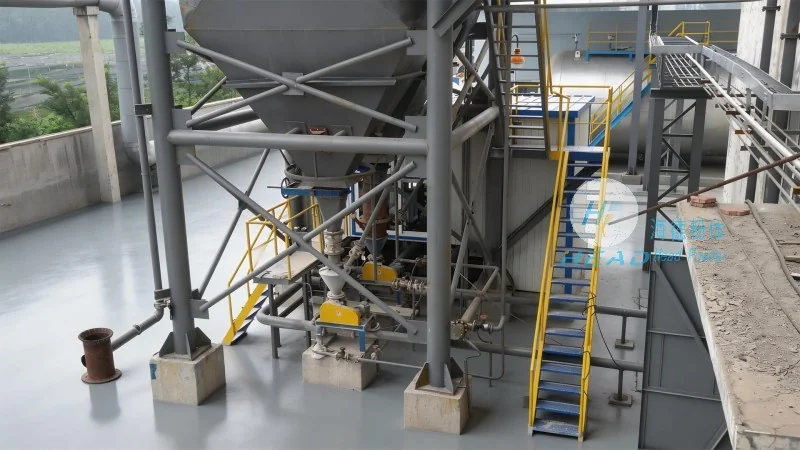
Common Mechanical Conveying Methods for Activated Carbon
Mechanical conveying systems are among the most traditional and widely used methods for transporting activated carbon. These systems rely on mechanical components such as belts, screws, and buckets to move the material. One of the primary methods is the belt conveyor, which uses a continuous belt to transport activated carbon over long distances. The belt conveyor is particularly effective for bulk quantities and can be customized with different belt materials to handle the abrasive nature of activated carbon. Another mechanical method is the screw conveyor, which uses a rotating screw to push the material forward. Screw conveyors are ideal for vertical or inclined transport and can handle fine or powdery activated carbon without causing excessive dust or segregation. These mechanical systems are often preferred in industries where dust control and material integrity are critical, such as in pharmaceutical or food processing applications.
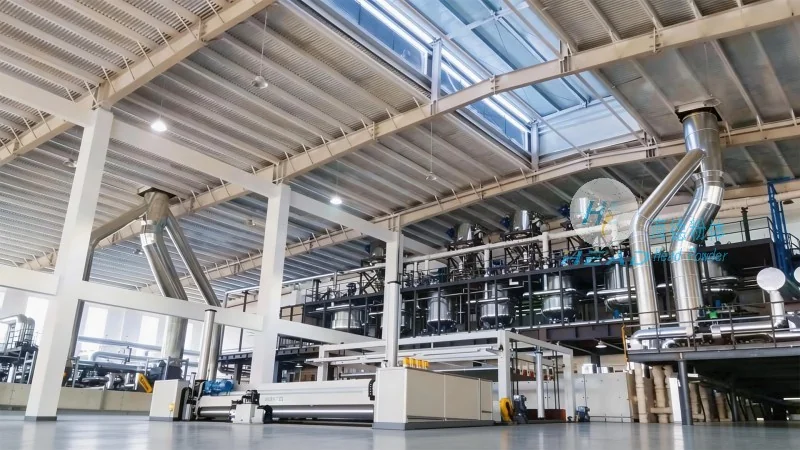
Common Pneumatic Conveying Methods for Activated Carbon
Pneumatic conveying, or air-pneumatic systems, is another common method for activated carbon transportation. This approach uses compressed air to move the material through a pipeline. There are two main types of pneumatic conveying: dilute-phase and dense-phase. Dilute-phase systems use low air velocity to transport the carbon in a dispersed state, suitable for short to medium distances. Dense-phase systems, on the other hand, use higher air pressure and lower velocity to move the material in a slurry-like state, which is more efficient for longer distances and reduces material degradation. Pneumatic conveying offers advantages such as enclosed transport, which minimizes dust exposure and environmental impact. It is particularly useful in applications where dust control is a priority, such as in indoor processing facilities or where material purity is essential. However, these systems require careful design to prevent pressure drops and material blockages, which can affect efficiency and maintenance costs.
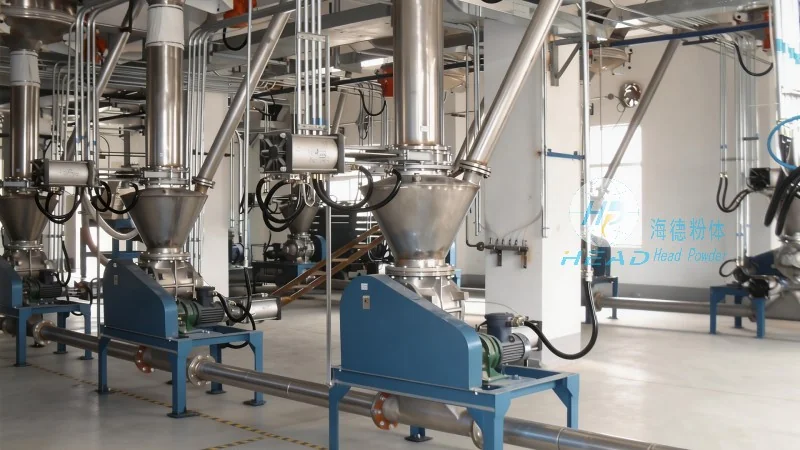
Common Hydraulic Conveying Methods for Activated Carbon
Hydraulic conveying systems use water or other liquids to transport activated carbon through pipes. This method is less common compared to mechanical and pneumatic systems but is used in specific applications where the material needs to be transported over long distances or through challenging terrain. The hydraulic system typically involves a pump that pushes the activated carbon slurry through a pipeline, with the liquid acting as a carrier. This approach is effective for handling wet or sticky activated carbon and can be used in mining or chemical processing where the material is mixed with water. However, hydraulic conveying requires additional equipment for slurry preparation and separation, which increases operational complexity and maintenance requirements. It is generally more suitable for large-scale industrial operations where the benefits of long-distance transport outweigh the added costs.
Factors to Consider When Choosing an Activated Carbon Conveying Method
When selecting a conveying method for activated carbon, several factors must be considered to ensure optimal performance and cost-effectiveness. The first factor is the material characteristics, including the particle size, moisture content, and abrasiveness of the activated carbon. Coarser particles may require different equipment than fine powders, as the conveying system must be designed to prevent clogging and material degradation. The second factor is the distance and layout of the transport route. For short distances, mechanical systems like belt conveyors may be sufficient, while longer distances may necessitate pneumatic or hydraulic systems. The third factor is the environmental and safety requirements. If dust control is a priority, pneumatic or enclosed mechanical systems are preferred. Additionally, the cost of equipment, maintenance, and energy consumption must be evaluated to determine the most economical option. By carefully assessing these factors, industrial facilities can choose the most appropriate activated carbon conveying method that meets their operational needs and ensures efficient material handling.
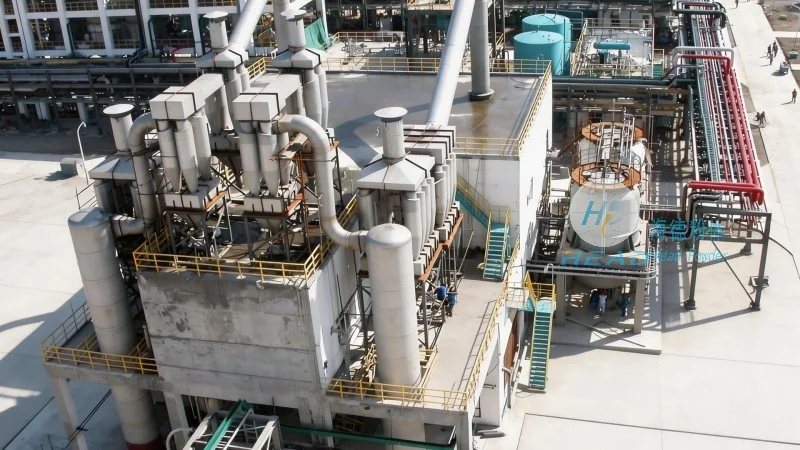
Shandong HeadPowder Engineering Co., Ltd., a leading provider of activated carbon handling solutions, specializes in designing and manufacturing customized conveying systems tailored to the specific requirements of industrial applications. With years of experience in the field, the company offers a range of mechanical, pneumatic, and hydraulic conveying solutions that ensure reliable and efficient transportation of activated carbon. HeadPowder's expertise in material handling and process engineering allows them to address the unique challenges of activated carbon transportation, providing clients with durable and cost-effective systems that enhance operational efficiency and safety. The company's commitment to quality and customer satisfaction has made it a trusted partner for industries relying on activated carbon in their processes, from water treatment to air purification and beyond.




