Metallurgical coke, a vital raw material in the iron and steel industry, necessitates efficient and reliable transportation systems to support seamless production processes. The selection of a transportation method is influenced by various factors, including the coke's physical properties, the distance to be covered, and the specific operational requirements of the industrial site. This article examines several common methods utilized for metallurgical coke transportation, detailing their advantages and typical applications.
1. Belt Conveyor System
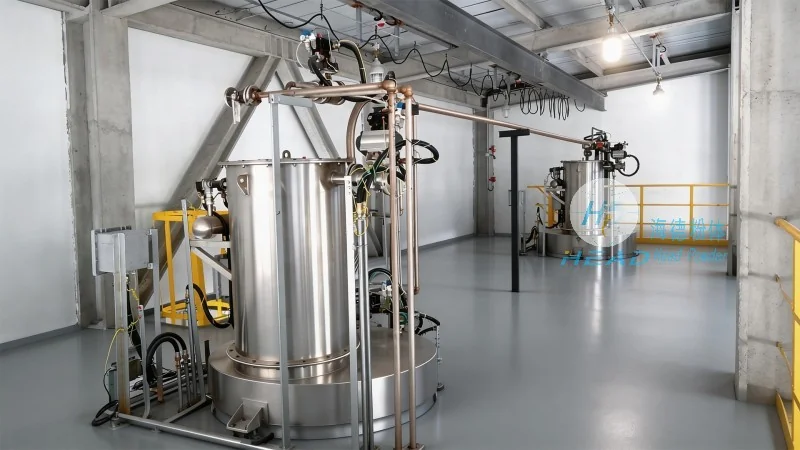
Belt conveyors represent one of the most prevalent methods for transporting metallurgical coke due to their high capacity, cost-effectiveness, and adaptability. These systems feature a continuous belt that moves over rollers or pulleys, carrying the coke from the source to the destination. The belt is constructed from materials like rubber or synthetic fabrics, which can withstand the abrasive nature of coke. Belt conveyors are particularly well-suited for long-distance horizontal or slightly inclined transport, such as moving coke from storage silos to blast furnaces or other processing units. They can handle large volumes of coke at a steady pace, making them ideal for continuous production lines. Additionally, belt conveyors can be customized with features like incline sections, transfer points, and safety guards to accommodate different operational needs. The durability and low maintenance requirements of belt conveyors further enhance their popularity in coke transportation applications.
2. Pneumatic (Air) Conveying System
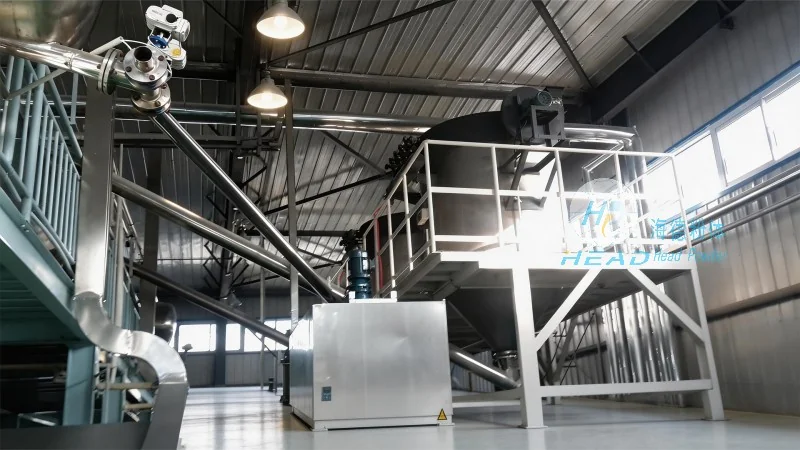
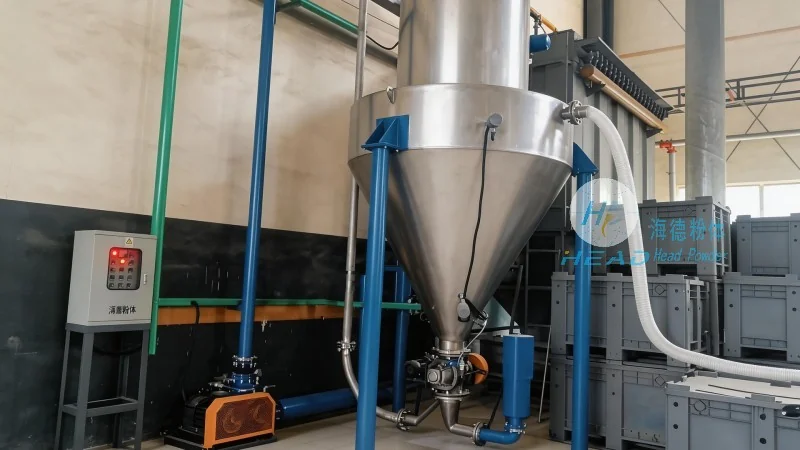
Pneumatic or air conveying systems employ compressed air to transport metallurgical coke within a closed pipeline. This method is especially effective for transporting coke over moderate to long distances, particularly when the route includes vertical or complex horizontal sections. The system typically comprises a series of pipes, air blowers, and cyclone separators. The coke is fed into the pipeline at one end, and compressed air propels it through the system, carrying the coke particles along. The air is then separated from the coke at the receiving end, often using a cyclone or a filter, and the air is recycled back to the blower. Pneumatic conveying offers several advantages, including the ability to transport coke in a dust-free environment, which is beneficial for maintaining air quality and reducing health hazards. It also allows for flexible routing, as the pipeline can be installed in various configurations to fit the layout of the industrial site. However, pneumatic systems may have higher energy consumption compared to belt conveyors, and they require regular maintenance of the air system components. Despite this, they are widely used in applications where dust control and flexibility are critical, such as transporting coke from storage to processing plants or between different production stages.
3. Screw Conveyor (Auger Conveyor)
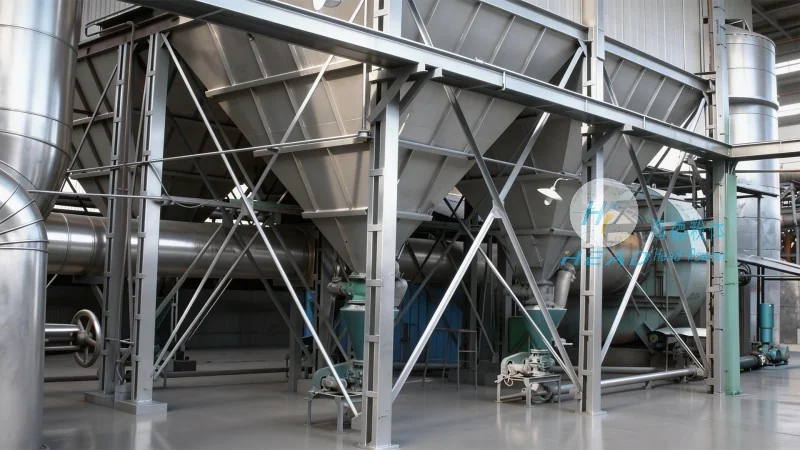
Screw conveyors, also known as auger conveyors, are another common method for transporting metallurgical coke, especially for short to medium distances and in confined spaces. These systems consist of a rotating screw (auger) inside a cylindrical housing, which moves the coke along the length of the conveyor. The screw rotates, pushing the coke forward as it travels through the housing. Screw conveyors are particularly suitable for horizontal or slightly inclined transport, and they can also handle vertical lifting of coke, though with lower capacity compared to horizontal operation. They are often used in applications where the coke needs to be moved from a lower level to a higher level, such as from a storage bin to a processing machine. The design of screw conveyors allows for a compact footprint, making them ideal for installations with limited space. Additionally, they can be equipped with discharge chutes and control mechanisms to regulate the flow of coke. However, screw conveyors may not be as efficient for long-distance transport as belt or pneumatic systems, and they can be prone to wear and tear due to the abrasive nature of coke. Regular maintenance, such as replacing the screw and housing liners, is necessary to ensure optimal performance.
4. Wheel Conveyor or Tracked Conveyor
Wheel conveyors, also referred to as tracked conveyors, are specialized systems used for transporting metallurgical coke over rough or uneven terrain. These conveyors are mounted on a series of wheels or tracks, allowing them to move over the ground without the need for a fixed base. They are particularly useful in outdoor applications, such as moving coke from open storage piles to processing facilities or between different parts of a mining or steel plant. Wheel conveyors can handle large volumes of coke and are designed to navigate obstacles like uneven ground, slopes, and obstacles. The system typically includes a conveyor belt or a series of rollers that move the coke, supported by the wheels or tracks. This method offers high mobility and flexibility, as the conveyor can be repositioned as needed. However, wheel conveyors may have lower capacity compared to fixed conveyors and require regular maintenance of the wheel and track components. They are often used in conjunction with other transportation methods, such as belt conveyors, to create a comprehensive coke handling system.
About Shandong HeadPowder Engineering Co., Ltd.
Shandong HeadPowder Engineering Co., Ltd., commonly known as HeadPowder, is a leading provider of industrial conveyor systems and solutions for metallurgical coke transportation. With a strong focus on innovation and quality, HeadPowder specializes in designing and manufacturing customized conveyor systems that meet the specific needs of the iron and steel industry. The company's products and services are tailored to enhance efficiency, reduce operational costs, and ensure the safe and reliable transport of metallurgical coke. HeadPowder's team of experienced engineers and technicians work closely with clients to understand their requirements and develop solutions that optimize their coke handling processes. The company's commitment to customer satisfaction and technical excellence has made it a trusted partner for many steel and mining companies in China and around the world. HeadPowder's headquarters is located in Shandong, China, where the company operates its manufacturing facilities and provides comprehensive support to its clients.




