Sulfur pneumatic conveying is a critical process in industrial applications, particularly in the chemical and processing sectors. The system's design and components are tailored to efficiently handle sulfur, a versatile material used in various industries such as rubber, pharmaceuticals, and agriculture. Understanding the key components of this system is essential for optimizing performance, ensuring safety, and maintaining operational efficiency.
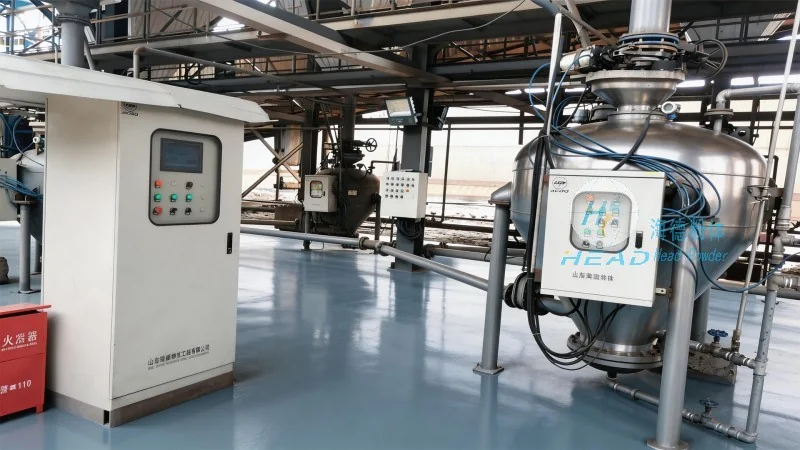
Key Components of Sulfur Pneumatic Conveying
The sulfur pneumatic conveying system consists of several interconnected parts that work together to transport sulfur from one location to another. These components are engineered to handle the unique properties of sulfur, including its density, flow characteristics, and potential reactivity. The primary components include the material handling equipment, the conveying line, and the control systems. Each component plays a vital role in the overall functionality of the system.
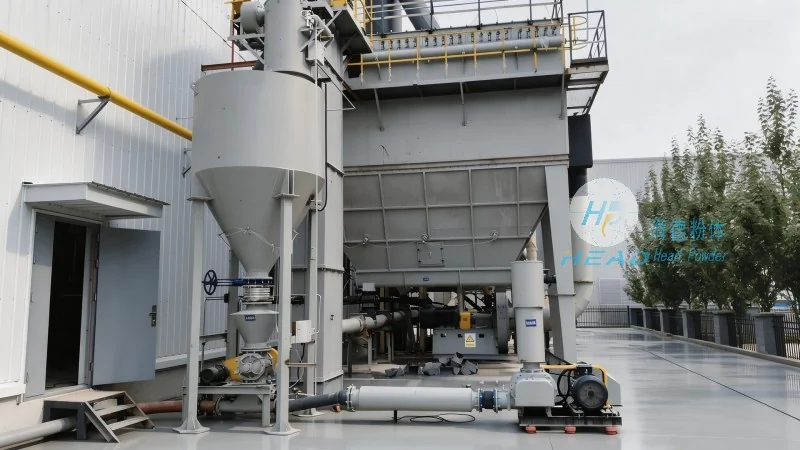
Material Handling Equipment
The material handling equipment is the initial stage of the sulfur pneumatic conveying system. This includes the feed hopper or silo, which stores and feeds the sulfur into the system. The hopper is designed to accommodate the bulk storage of sulfur and ensures a consistent flow of material. Additionally, the feeder or rotary valve is used to regulate the flow rate of sulfur into the conveying line. This component is crucial for maintaining a steady and controlled feed, preventing blockages and ensuring smooth operation.
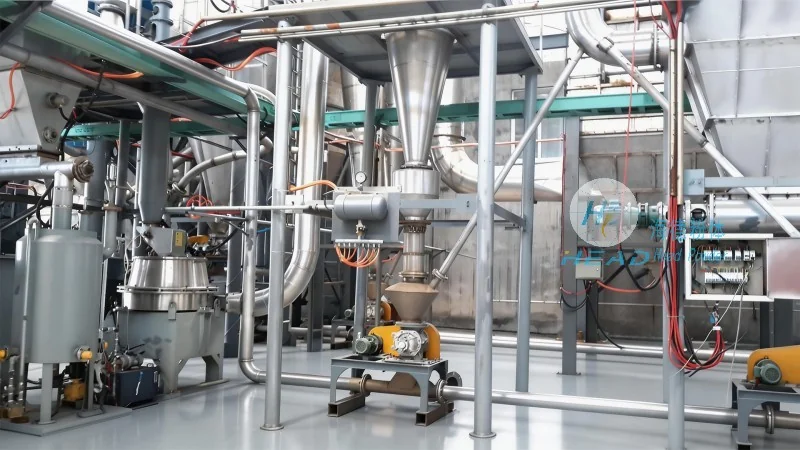
Conveying Line and Air Supply
The conveying line is the core of the pneumatic system, responsible for transporting sulfur through the air stream. The line is typically made of durable materials such as stainless steel or special alloys to withstand the corrosive nature of sulfur and prevent material buildup. The air supply system, which includes the blower or compressor, generates the necessary pressure and airflow to move the sulfur particles. The pressure and flow rate are carefully controlled to achieve the desired conveying velocity and ensure efficient transport without excessive energy consumption.
Control and Monitoring Systems
The control and monitoring systems are essential for managing the operation of the sulfur pneumatic conveying system. These systems include sensors and control panels that monitor parameters such as pressure, flow rate, and temperature. The control system adjusts the air supply and feed rate in real-time to maintain optimal conditions. Additionally, safety features are integrated into the system to prevent overpressure, blockages, and other potential hazards. This ensures the system operates safely and reliably, minimizing downtime and maintenance requirements.
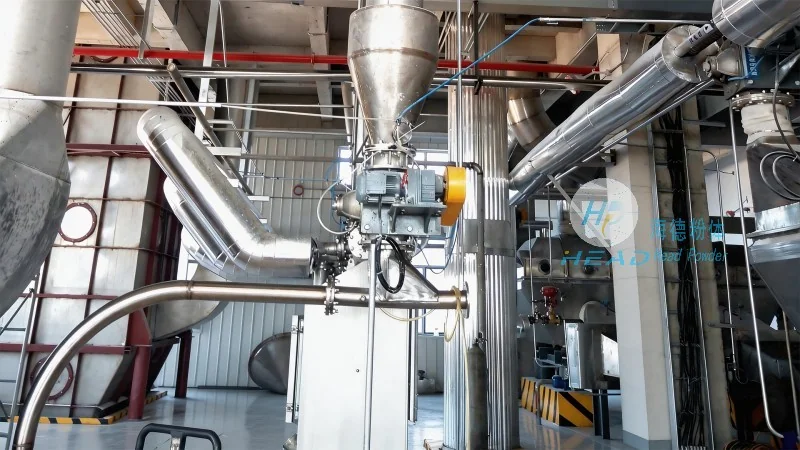
Company Overview: Shandong HeadPowder Engineering Co., Ltd.
Shandong HeadPowder Engineering Co., Ltd., operating under the brand name headpowder, specializes in the design, manufacturing, and installation of pneumatic conveying systems. With a focus on industrial applications, the company provides customized solutions tailored to the specific needs of clients. The company's headquarters is located in Shandong, China, where it leverages advanced technology and expertise to deliver high-quality equipment. headpowder is committed to providing reliable and efficient solutions for sulfur and other bulk material handling, ensuring client satisfaction and operational excellence.




