Rice husk pneumatic conveying systems are integral to industrial processes that handle rice husk as a raw material. Understanding the components that constitute such systems is essential for optimizing performance and ensuring reliable operation. This article provides a comprehensive overview of the key components involved in rice husk pneumatic conveying, with a focus on the technology and equipment offered by Shandong HeadPowder Engineering Co., Ltd., a leading manufacturer in this field.
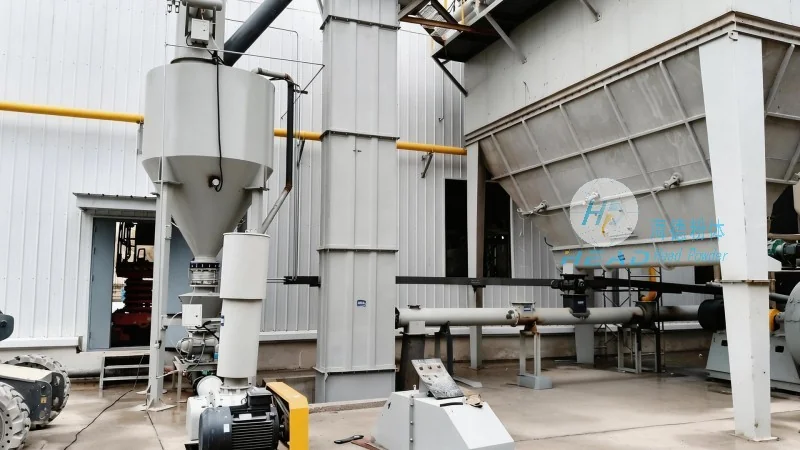
Core Components of Rice Husk Pneumatic Conveying Systems
The rice husk pneumatic conveying system comprises several interconnected parts that work in unison to transport the material. These components are engineered to address the specific properties of rice husk, including its light weight, abrasive nature, and tendency to generate dust. The primary components include the material feed system, the conveying line, the air supply system, and the control and monitoring equipment.
Material Feed System
The material feed system is the initial component responsible for introducing rice husk into the conveying process. This system typically features hoppers or specialized feeders designed to ensure a consistent and controlled flow of the material. For rice husk, which can be prone to bridging and dusting, rotary valves or screw feeders are commonly employed to maintain smooth feeding. The feed system is foundational to the entire operation, as it directly impacts the system's efficiency and the uniformity of material transport.
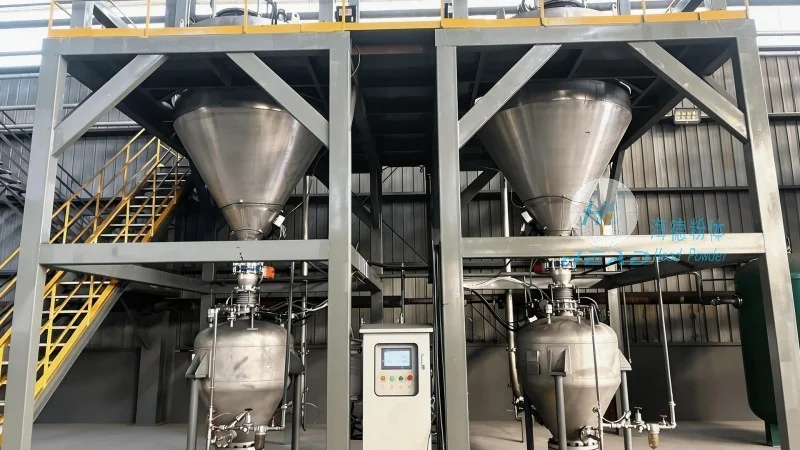
Conveying Line
The conveying line serves as the core of the pneumatic system, responsible for moving rice husk through the pipeline. It can be classified into dilute-phase and dense-phase systems. Dilute-phase systems utilize high-velocity air to suspend material particles, while dense-phase systems employ lower velocities and higher air pressure to push material in a slurry-like state. The choice between these types depends on factors such as the distance to be covered and the material's characteristics. Shandong HeadPowder Engineering Co., Ltd. offers both system types, customizing them to meet specific operational requirements and ensure optimal material transport.
Air Supply System
The air supply system provides the necessary pressure and volume of air to move rice husk through the conveying line. This system generally includes a blower or fan that generates the required airflow. The air supply is critical to determining the conveying capacity and energy efficiency of the system. Given rice husk's light weight and tendency to be easily suspended, a high-capacity blower is often used to maintain material in suspension and prevent clogging. The air supply system is designed to withstand the abrasive nature of rice husk, ensuring long-term reliability and minimal maintenance.
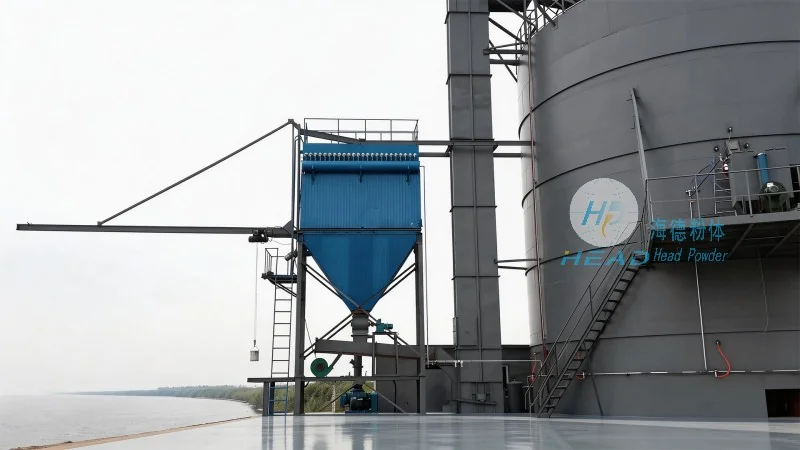
Control and Monitoring Equipment
The control and monitoring equipment is essential for managing the operation of the rice husk pneumatic conveying system. This includes control panels, sensors, and automation systems that monitor parameters like pressure, flow rate, and material level. These components enable real-time adjustments to the system's operation, ensuring optimal performance and preventing issues such as overloading or blockages. The control system is particularly vital in industrial settings where continuous operation is required, as it helps maintain efficiency and reduce downtime. Shandong HeadPowder Engineering Co., Ltd. integrates advanced control systems into their conveying solutions, enhancing overall reliability and performance.
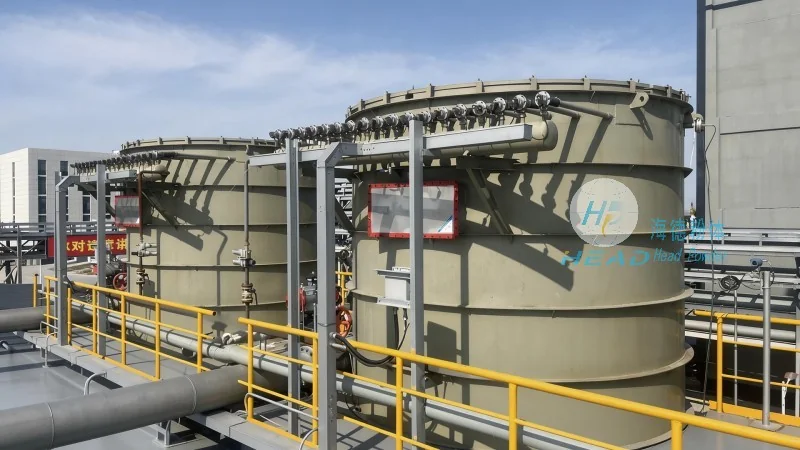
Additional Components and Accessories
Beyond the primary components, rice husk pneumatic conveying systems may include supplementary accessories to enhance functionality and ensure safety. These can encompass filters to remove dust from the air, silencers to reduce noise levels, and vacuum or pressure relief valves to protect the system from overpressure. For rice husk, which is a fine, abrasive material, filters are crucial to prevent dust from entering the air supply and causing equipment damage. Silencers are also beneficial in industrial environments where noise control is necessary. These accessories are designed to complement the main components and improve the overall lifespan and performance of the system.
In conclusion, the components of a rice husk pneumatic conveying system collaborate to efficiently transport the material. From the material feed system to the air supply and control equipment, each part plays a vital role in ensuring the system operates reliably and efficiently. Shandong HeadPowder Engineering Co., Ltd. specializes in designing and manufacturing comprehensive pneumatic conveying solutions tailored to the unique needs of rice husk processing, providing industrial clients with dependable and high-performance equipment.




