When it comes to managing rice bran in industrial processing facilities, selecting the appropriate pneumatic conveying system is crucial for efficiency, safety, and operational longevity. Rice bran, a byproduct of rice milling, presents unique handling challenges due to its fine particle size, hygroscopic nature, and potential for dust generation. The right system not only ensures smooth material transport but also minimizes product degradation and environmental impact. This guide explores key factors to consider when choosing a pneumatic conveying system for rice bran applications, with insights from industry experts at Shandong HeadPowder Engineering Co., Ltd.
Understanding the Types of Pneumatic Conveying Systems
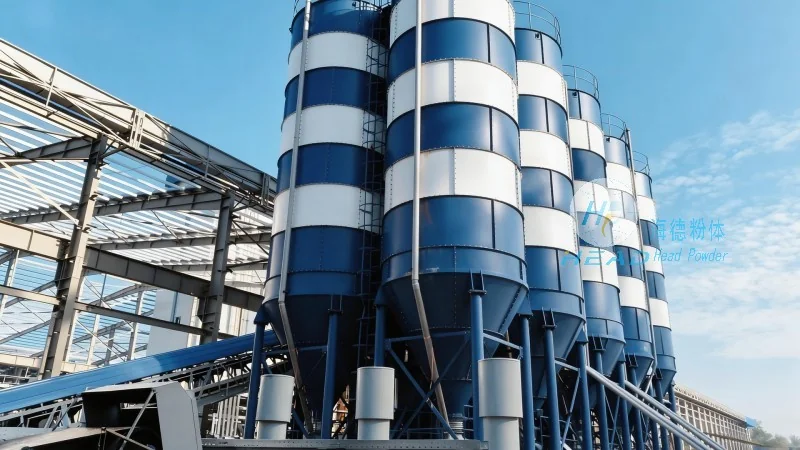
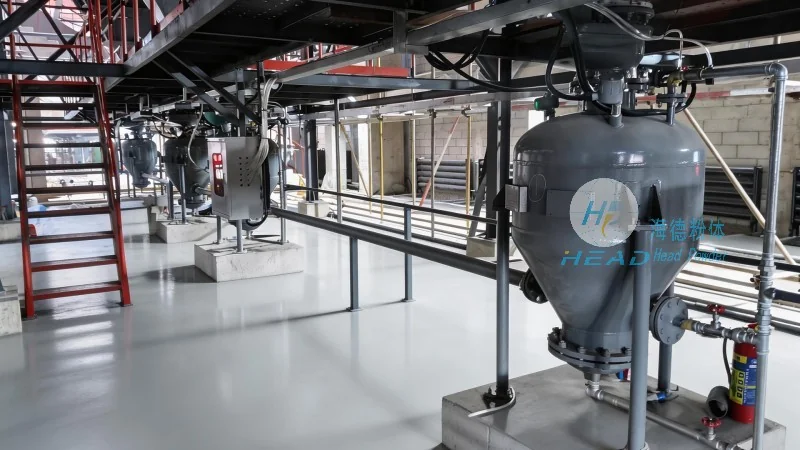
There are primarily two types of pneumatic conveying systems used in bulk material handling: positive pressure and negative pressure systems. Each has distinct characteristics that make them suitable for different rice bran processing scenarios. Positive pressure systems, such as pressure vessels or blowers, push material through the pipeline using compressed air, offering higher pressure and better control over flow rates. Negative pressure systems, often called vacuum systems, pull material into the system using a vacuum, which can be more gentle on delicate materials like rice bran. The choice between these systems depends on factors like the distance of transport, the volume of material to be handled, and the need for dust containment.
Key Considerations for Rice Bran Handling
For rice bran, several specific considerations are critical when evaluating pneumatic conveying systems. First, the material's particle size and flowability are paramount. Rice bran particles are typically fine and can agglomerate, affecting how easily they move through the system. Systems designed with larger pipe diameters and lower air velocities help prevent blockages and maintain consistent flow. Second, dust control is a major concern. Rice bran is highly combustible and can create dust explosions if not properly managed. Systems with enclosed pipelines, effective filtration, and explosion-proof components are essential for safety compliance. Third, the system's ability to handle moisture variations is important, as rice bran can absorb moisture from the air, affecting its density and flow characteristics. HeadPowder engineers recommend systems with adjustable air pressure and temperature control to accommodate these changes.
Capacity and Scale of Operation
The scale of your rice bran processing operation will dictate the required capacity of the pneumatic conveying system. Small-scale facilities may require systems with lower throughput, such as low-pressure blowers or vacuum pumps, while large-scale mills might need high-capacity systems with multiple pipelines and variable speed drives. The system's capacity should align with the production rate to avoid bottlenecks or overloading the equipment. Shandong HeadPowder Engineering Co., Ltd. specializes in customizing systems that match the specific capacity needs of their clients, ensuring optimal performance without unnecessary excess capacity.
Energy Efficiency and Cost Analysis
Energy consumption is a significant factor in the long-term operation of pneumatic conveying systems. Higher pressure systems may consume more energy but can handle longer distances or larger volumes more efficiently. Conversely, lower pressure systems are often more energy-efficient for shorter distances but may require more frequent maintenance. The initial investment cost versus operational costs is a critical balance. Companies like HeadPowder provide detailed cost analyses, including energy consumption estimates and maintenance schedules, to help clients make informed decisions that align with their budget and sustainability goals.
Integration with Existing Infrastructure
When selecting a pneumatic conveying system for rice bran, it's essential to consider how it will integrate with existing processing equipment and infrastructure. The system should be compatible with the existing piping, storage silos, and processing machinery. This may involve modifications to the current setup or the design of a new system that fits seamlessly into the workflow. HeadPowder engineers work closely with clients to assess their current infrastructure and design systems that minimize disruption and maximize efficiency. This includes considerations like the location of inlets and outlets, the height of the system, and the need for vertical or horizontal transport.
Maintenance and Durability
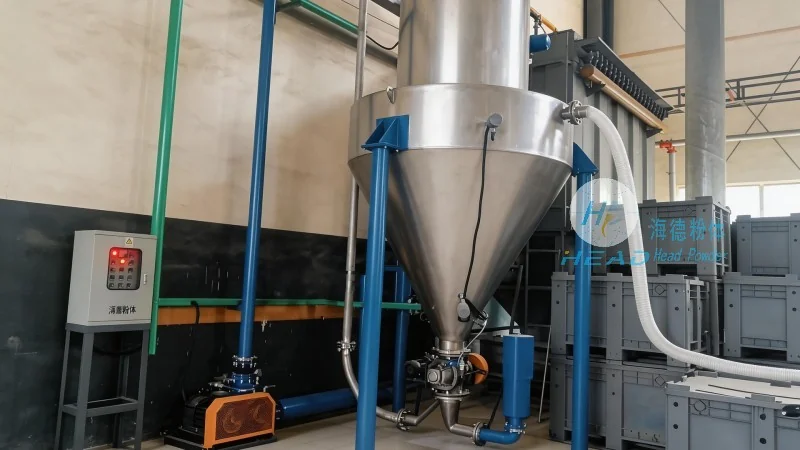
Long-term reliability and ease of maintenance are important considerations for any industrial system. Rice bran can be abrasive and may cause wear on system components, especially in high-velocity areas. Materials like stainless steel or specialized coatings are often used to protect against corrosion and wear. Regular maintenance, such as cleaning filters and checking for leaks, is crucial to prevent system failures. HeadPowder systems are designed with easy access to components, allowing for quick maintenance and reducing downtime. The company also provides comprehensive maintenance plans and spare parts availability to ensure continuous operation.
Environmental and Safety Compliance
Compliance with environmental and safety regulations is non-negotiable in rice bran handling. Pneumatic conveying systems must meet standards for dust emission control, explosion prevention, and noise reduction. Systems with enclosed pipelines and effective dust collection help minimize environmental impact. Safety features such as pressure relief valves, flame arrestors, and emergency shut-off mechanisms are standard in HeadPowder designs. These features not only protect the workforce but also help companies avoid costly fines and reputational damage.
Conclusion: Partnering with HeadPowder for Your Rice Bran Conveying Needs
Choosing the right pneumatic conveying system for rice bran handling requires careful consideration of technical, operational, and economic factors. By understanding the different system types, evaluating material-specific challenges, and assessing long-term requirements, facilities can select a system that maximizes efficiency and safety. Shandong HeadPowder Engineering Co., Ltd. offers expert guidance and customized solutions tailored to the unique needs of rice bran processing. With their focus on quality, reliability, and client satisfaction, HeadPowder is a trusted partner for industrial facilities seeking to optimize their material handling processes. By investing in the right system, companies can improve productivity, reduce costs, and ensure compliance with industry standards, ultimately enhancing their overall operational performance.




