When discussing the core components of zircon sand pneumatic conveying systems, several key structures are essential for efficient material handling. These systems are designed to transport zircon sand, a valuable mineral used in various industrial applications, through an air-driven process. The primary structures typically include the feed hopper, the conveying line, the separation and collection equipment, and the control system. Each component plays a critical role in ensuring the smooth and reliable operation of the entire conveying process.
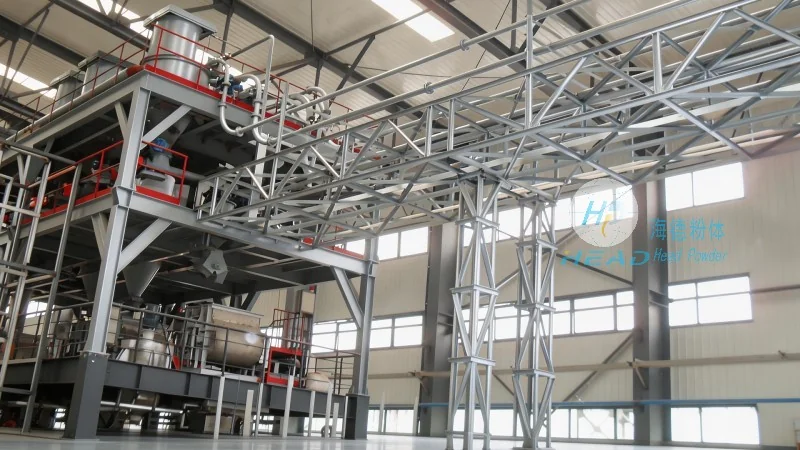
Key Structural Components of Zircon Sand Pneumatic Conveying Systems
The feed hopper is the initial structure where zircon sand is loaded. It is designed to store and feed the material into the conveying system at a controlled rate. This component often features a hopper with a discharge valve or a rotary valve to regulate the flow of sand into the system. The design of the feed hopper is crucial as it must handle the bulk density and flow characteristics of zircon sand, preventing blockages and ensuring consistent material supply. The hopper is usually constructed from durable materials such as stainless steel or high-grade alloys to withstand the abrasive nature of the sand and maintain hygiene standards.
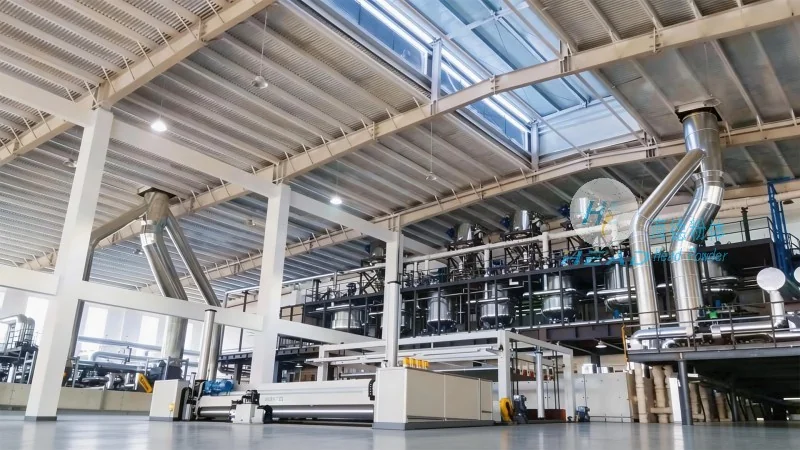
The Conveying Line and Air Supply System
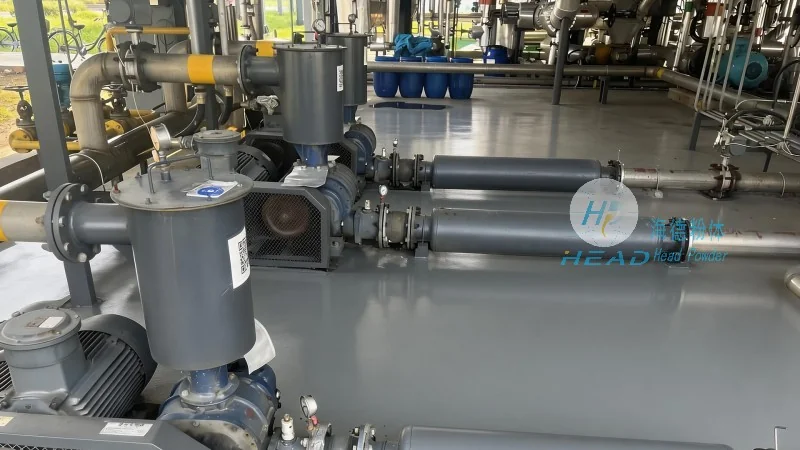
The conveying line is the central structure that transports the zircon sand particles through the system. It consists of a pipeline network that can be either horizontal or vertical, depending on the layout of the facility. The line is typically made of corrosion-resistant materials like stainless steel or plastic, which are suitable for handling abrasive materials. The air supply system, often powered by a blower or a compressor, provides the necessary pressure and airflow to move the sand particles. The blower generates a high-pressure air stream that entrains the sand particles, creating a slurry-like mixture known as a "pneumatic stream." The design of the air supply system is critical as it must maintain consistent pressure and airflow to ensure efficient transport without causing excessive wear on the pipeline or components.
Separation and Collection Equipment
After the zircon sand has been conveyed through the pipeline, it needs to be separated from the air and collected. The separation equipment typically includes a cyclone separator or a bag filter. The cyclone separator uses centrifugal force to separate the sand particles from the air stream, directing the sand to a collection bin while allowing the air to exit through a vent. The bag filter, on the other hand, uses fabric bags to trap the sand particles, with the collected sand being discharged periodically. These structures are essential for maintaining the purity of the zircon sand and preventing dust emissions, which is important for both operational efficiency and environmental compliance.
Control and Monitoring Systems
The control system is a vital structure that manages the operation of the entire pneumatic conveying system. It includes sensors, control panels, and automation equipment that monitor parameters such as pressure, flow rate, and material level. The control system ensures that the feed rate, air pressure, and conveying speed are adjusted in real-time to maintain optimal performance. For example, if the pressure in the conveying line drops, the control system can automatically increase the air supply or adjust the feed rate to prevent system downtime. The monitoring aspect also allows operators to detect potential issues early, such as blockages or leaks, and take corrective actions before they lead to more significant problems. This structure enhances the reliability and longevity of the system, reducing maintenance costs and improving overall productivity.




