Lithium cobalt oxide (LiCoO₂) is a pivotal material in the production of lithium-ion batteries, widely utilized in electric vehicles, portable electronics, and renewable energy storage systems. The efficient handling and transportation of LiCoO₂ powders are crucial to maintain consistent quality and minimize material loss. Various air-flow transport structures are employed in industrial settings to manage the flow of these fine powders, each with specific design considerations tailored to the material's properties. This article explores the primary air-flow transport structures used in the handling of lithium cobalt oxide, highlighting their functions, advantages, and typical applications.
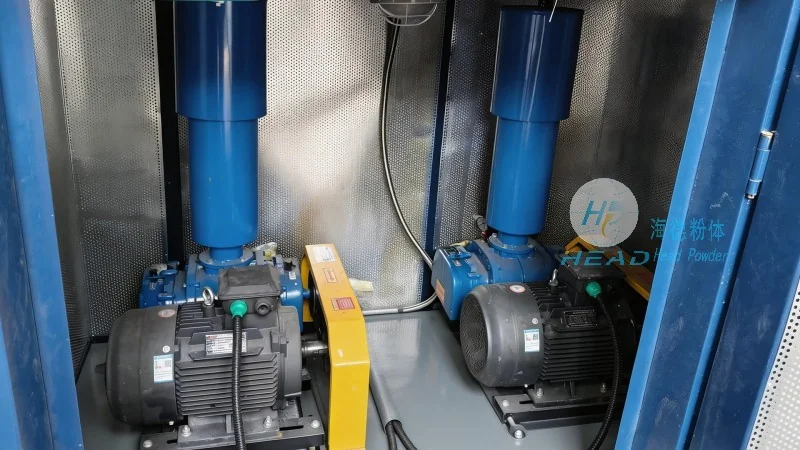
Key Air-Flow Transport Structures for Lithium Cobalt Oxide
1. Air-Flow Conveying Systems are the most common method for transporting fine powders like LiCoO₂. These systems utilize a combination of air pressure and vacuum to move material through a network of pipes. The design typically includes a hopper for material storage, a rotary valve for controlled discharge, and a pipeline system with appropriate fittings and filters. The air-flow rate and pressure are carefully controlled to prevent particle agglomeration and ensure smooth transport. This method is ideal for long-distance transport and can handle large volumes of material efficiently.
2. Screw Conveyors are another essential structure for transporting LiCoO₂. These equipment use a rotating screw within a trough to move material forward. Screw conveyors are particularly effective for materials with moderate flowability, as they provide consistent and controlled movement. The design can be customized with different screw diameters and pitch to accommodate varying particle sizes and moisture content. For LiCoO₂, which is often a fine powder, a screw conveyor with a smooth, non-stick surface is preferred to prevent material buildup and ensure easy cleaning.
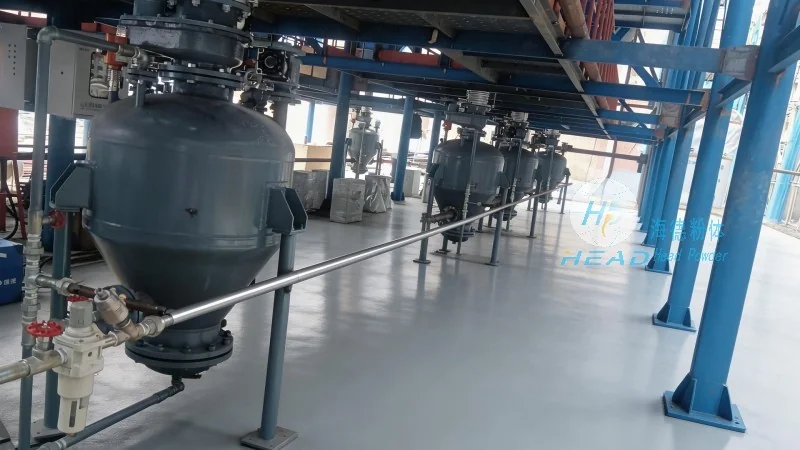
3. Vibrating Conveyors utilize mechanical vibrations to move powders along a conveyor bed. This method is beneficial for materials that are prone to bridging or caking, as the vibrations help break up agglomerates and maintain a uniform flow. Vibrating conveyors are often used in conjunction with air-flow systems to enhance material movement. The frequency and amplitude of the vibrations can be adjusted to optimize the transport of LiCoO₂, ensuring minimal material degradation and consistent output.
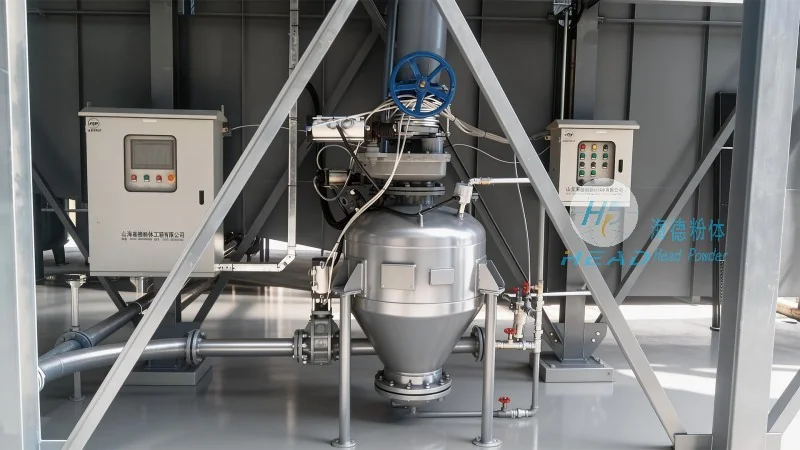
4. Pneumatic Transport Pipelines represent a more advanced structure for high-volume, continuous transport of LiCoO₂. These systems consist of a network of pipelines with integrated valves, filters, and pressure regulators. The use of high-pressure air or vacuum allows for rapid and efficient movement of the powder, reducing the risk of contamination and material loss. Pneumatic pipelines are commonly used in large-scale battery production facilities where multiple processing stages require a steady supply of LiCoO₂.
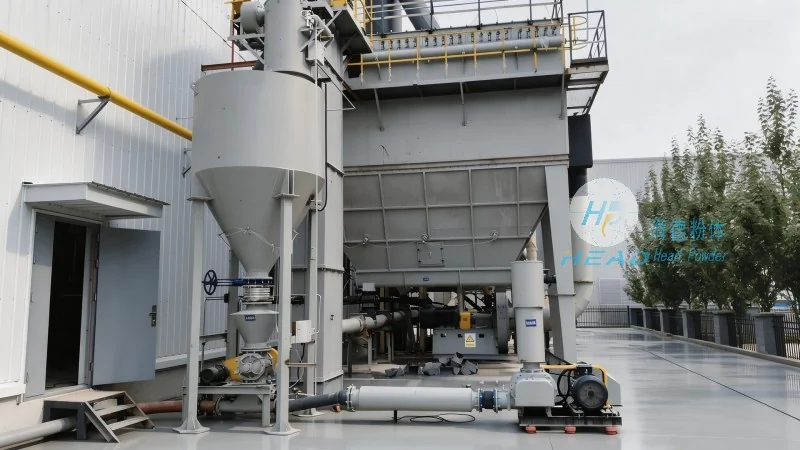
Design Considerations for Air-Flow Transport of LiCoO₂
The successful implementation of air-flow transport structures for LiCoO₂ depends on several key design considerations. First, the material's particle size distribution and flow properties must be carefully evaluated. LiCoO₂ powders are typically fine and can be cohesive, which may require specialized equipment to prevent blockages. Second, the system must be designed to minimize material degradation, as high shear or impact can affect the battery performance. Third, the equipment must be easy to clean and maintain, as LiCoO₂ is often used in high-purity applications where contamination is unacceptable. Finally, energy efficiency is a critical factor, as air-flow systems can consume significant power. Engineers from Shandong HeadPowder Engineering Co., Ltd. specialize in designing and manufacturing customized air-flow transport solutions that address these challenges, ensuring optimal performance and reliability for LiCoO₂ handling.
Applications and Benefits
Air-flow transport structures for LiCoO₂ are widely used in various stages of battery production, from raw material handling to final product assembly. The benefits of these systems include improved material flow control, reduced labor costs, and enhanced safety by minimizing manual handling of powders. Additionally, the use of automated air-flow systems can improve product consistency and reduce waste. Shandong HeadPowder Engineering Co., Ltd., based in Shandong, China, has extensive experience in providing tailored air-flow transport solutions for lithium cobalt oxide, supporting clients in the battery manufacturing industry with reliable and efficient equipment.




