When it comes to transporting soda ash, the choice of pneumatic conveying system is critical for efficiency, safety, and cost-effectiveness. As a leading provider in the industry, Shandong HeadPowder Engineering Co., Ltd. specializes in designing and implementing advanced pneumatic conveying solutions tailored to the unique needs of soda ash handling operations. This article explores the main pneumatic conveying structures used in the industry, highlighting their features, advantages, and typical applications.
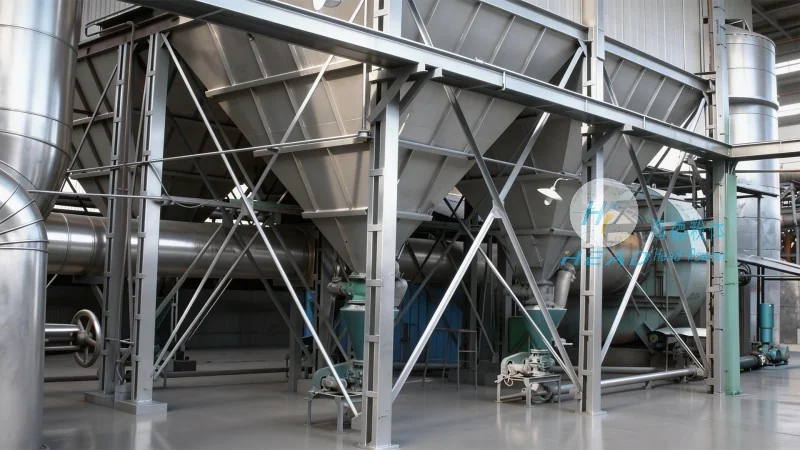
Introduction to Pneumatic Conveying Systems for Soda Ash
Pneumatic conveying is a widely adopted method for transporting bulk materials like soda ash due to its ability to handle abrasive or dusty materials without the need for mechanical components that might wear out or cause contamination. The primary goal of these systems is to move soda ash from storage silos or production lines to processing units, packaging areas, or storage facilities with minimal human intervention and maximum operational reliability.
About Shandong HeadPowder Engineering Co., Ltd.
HeadPowder, the professional brand of Shandong HeadPowder Engineering Co., Ltd., is a reputable manufacturer and supplier of industrial pneumatic conveying equipment. With a strong presence in China, particularly in Shandong province, HeadPowder has built a solid reputation for delivering high-quality, customized solutions that meet the specific requirements of clients in the chemical, food, and other processing industries. The company’s commitment to innovation, quality control, and customer satisfaction has made it a trusted partner for businesses seeking reliable material handling solutions.
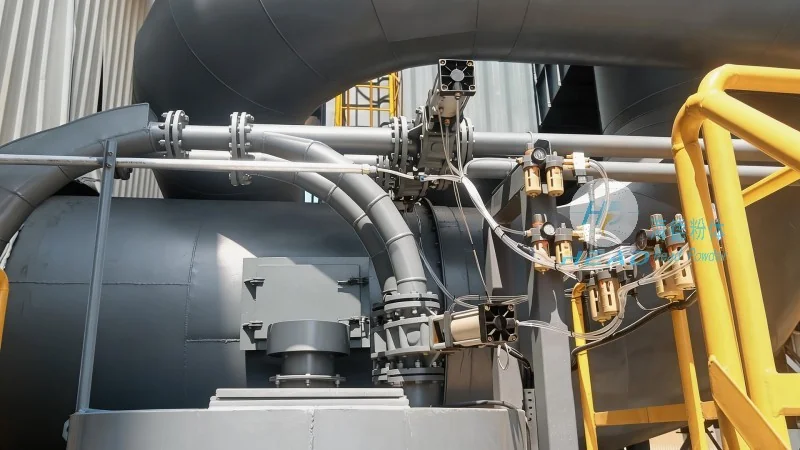
1. Positive Pressure Pneumatic Conveying System
The positive pressure system is one of the most common structures for soda ash transportation. In this setup, air is supplied under pressure to the conveying line, pushing the material forward. The system typically includes a blower or compressor, a hopper for material storage, a rotary valve for feeding, and a pipeline network that transports the soda ash to the destination. A key advantage of this system is its ability to handle long distances and multiple delivery points without the need for vacuum pumps. However, it may require more energy compared to other systems and can be more complex to install and maintain.
2. Negative Pressure (Vacuum) Pneumatic Conveying System
Conversely, the negative pressure system uses a vacuum to draw the material into the conveying line. This approach is often preferred for applications where the material needs to be transported from a lower elevation to a higher one, or when the system must operate in a clean environment to prevent dust from escaping. The system consists of a vacuum pump, a hopper, a rotary valve, and a pipeline that creates a negative pressure zone. While it is generally more energy-efficient for short distances, it may have limitations in handling long distances or large quantities of material due to the risk of blockages and the need for more robust filtration systems.
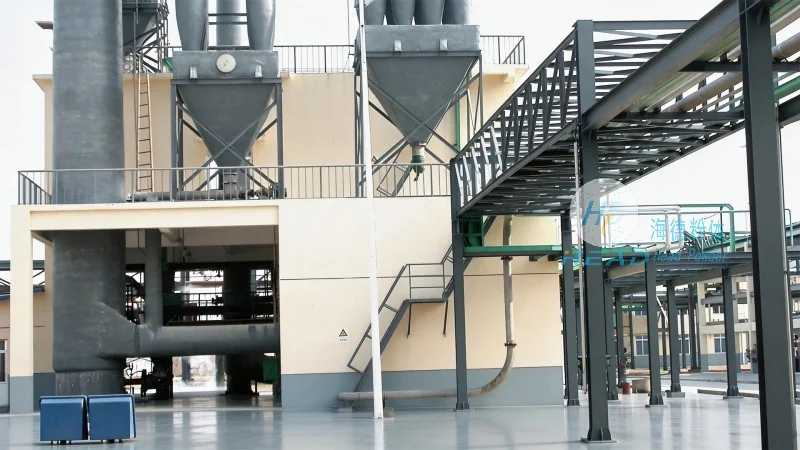
3. Mixed-Pressure Pneumatic Conveying System
For more complex or demanding applications, a mixed-pressure system combines elements of both positive and negative pressure. This hybrid approach allows for flexibility in handling different material characteristics and operational requirements. For instance, it might use positive pressure in the initial stage to move material from the source and then switch to negative pressure to deliver it to the final destination. This structure is particularly useful in large-scale industrial plants where multiple processing units are involved and the material needs to be routed through various stages with varying pressure requirements.
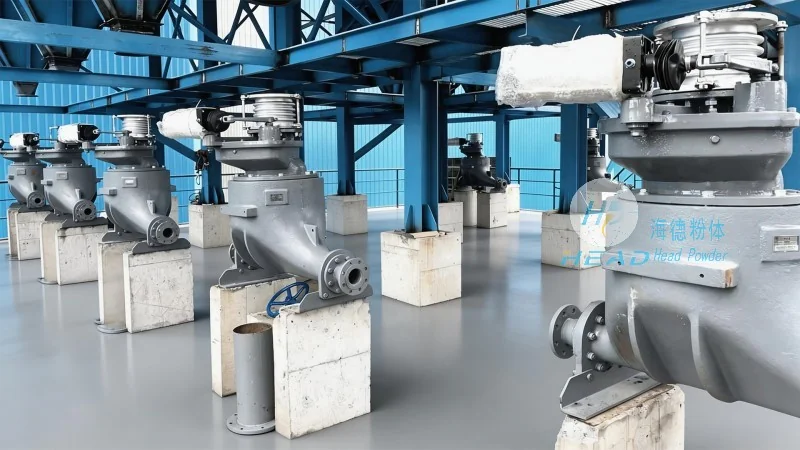
4. Dilute Phase vs. Dense Phase Pneumatic Conveying
Within the broader category of pneumatic conveying, there are two main operational phases: dilute phase and dense phase. The choice between these two depends on the material's properties, such as particle size, density, and flowability. Dilute phase systems operate at higher velocities, typically with air-to-material ratios of 5 to 20, and are suitable for short to medium distances. They are efficient for fine powders and can handle high material flow rates. Dense phase systems, on the other hand, operate at lower velocities and higher air-to-material ratios (usually 1 to 5), which results in a slower, more controlled material flow. This method is ideal for transporting abrasive or sensitive materials that require minimal impact and reduced wear on equipment.
Applications and Benefits of Pneumatic Conveying Structures
The choice of pneumatic conveying structure for soda ash depends on several factors, including the distance between the source and destination, the volume of material to be transported, the required speed of delivery, and the environmental considerations. Positive pressure systems are often preferred for long-distance or multi-point delivery, while negative pressure systems are suitable for short distances or when the material needs to be handled in a clean environment. The mixed-pressure system offers a versatile solution for complex operations. Regardless of the chosen structure, the benefits of pneumatic conveying for soda ash include reduced labor costs, improved safety by minimizing manual handling, enhanced product quality by preventing contamination, and increased operational efficiency through automated processes.




