Shandong HeadPowder Engineering Co., Ltd., commonly referred to as HeadPowder, is a leading manufacturer of specialized powder handling equipment based in Shandong, China. The company focuses on providing high-quality solutions for the food processing industry, particularly for products like chicken essence powder, which requires precise and hygienic handling. This article explores the operation process and working principles of the chicken essence powder conveying system equipment, detailing how it functions to ensure efficient and reliable transport of the powder from storage to processing or packaging stages.
Key Components and Their Functions
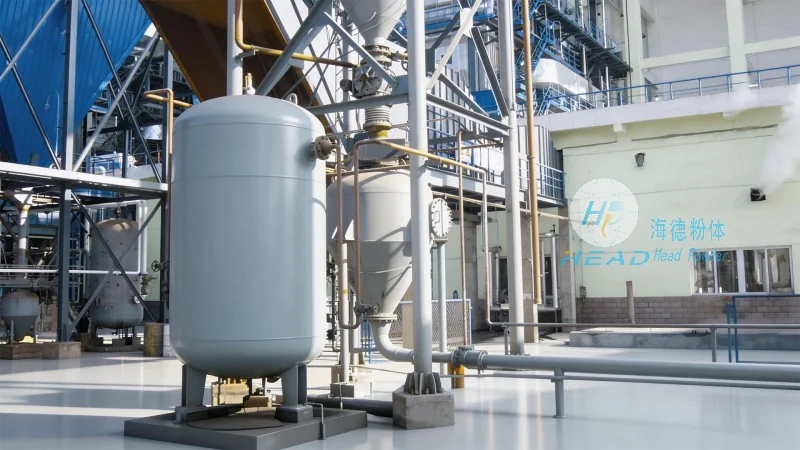
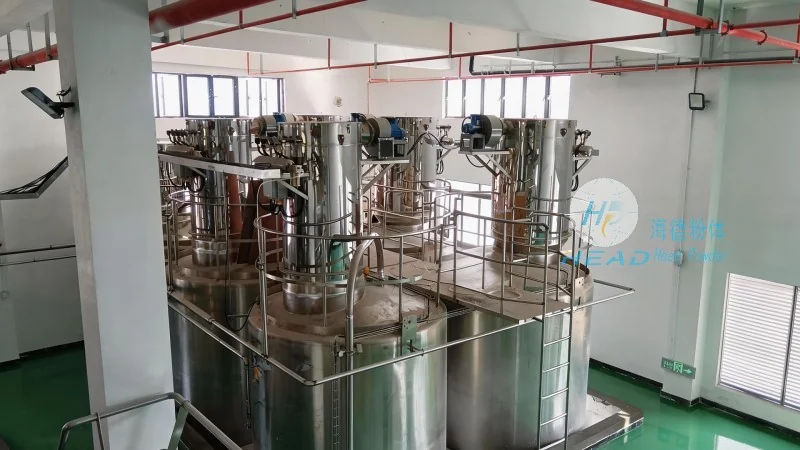
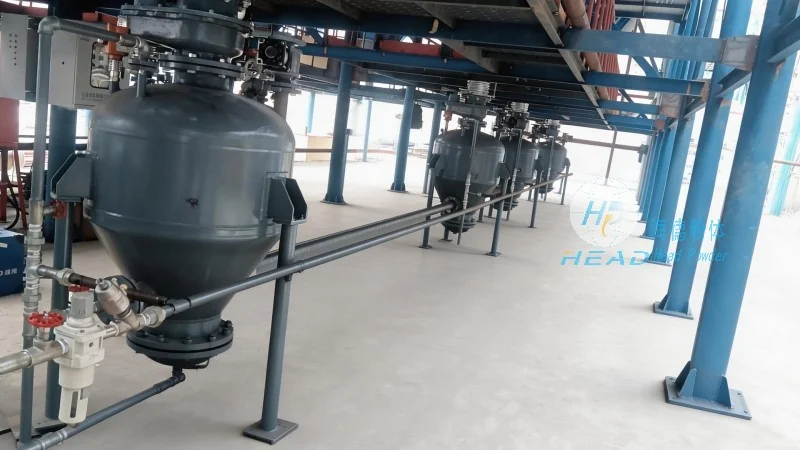
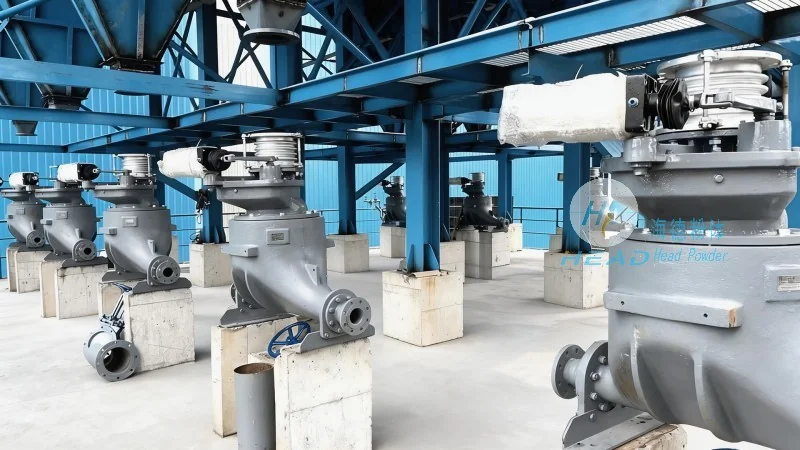
The chicken essence powder conveying system is composed of several essential components that work together to achieve seamless material transport. The primary components include the hopper, conveyor mechanism, control system, and auxiliary equipment. The hopper serves as the initial storage unit, where chicken essence powder is loaded and held before being fed into the conveyor. It is typically designed with a sloped bottom to facilitate smooth discharge and prevent material buildup. The conveyor mechanism, which can be either mechanical (e.g., screw or belt) or pneumatic, is responsible for moving the powder from the hopper to the next stage. For mechanical conveyors, a screw or belt rotates to push the powder forward, while pneumatic systems use compressed air to create a flow that carries the powder through pipelines. The control system, equipped with sensors and a user interface, monitors and regulates the flow rate, pressure, and other operational parameters to maintain consistent performance. Auxiliary equipment, such as filters and dust collectors, may be included to ensure the system operates cleanly and safely, especially when handling fine powders that are prone to dust generation.
Step-by-Step Operation Process
The operation of the chicken essence powder conveying system follows a systematic sequence of steps to ensure efficient and controlled transport. The process begins with the loading of chicken essence powder into the hopper. The powder is typically fed into the hopper using a manual or automated feeding mechanism, ensuring a consistent and steady supply. Once the hopper is filled, the conveyor mechanism is activated, and the powder is fed into the system. In a screw conveyor setup, the rotating screw pushes the powder forward, while the speed of the screw is adjusted to control the discharge rate. The powder then travels through the conveyor, which may include a series of sections with varying diameters or pitch to optimize the flow. For pneumatic conveying systems, compressed air is introduced into the pipeline, creating a pressure differential that moves the powder particles. The air velocity and the size of the powder particles determine the conveying method (e.g., dilute phase for fine powders or dense phase for larger particles). The control system continuously monitors the system's performance, providing real-time feedback on flow rates, pressure, and temperature. If any deviations are detected, the system automatically adjusts the operational parameters to maintain optimal performance. The powder is then discharged from the conveyor into the processing or packaging equipment, completing the transport cycle. Throughout the process, the system is designed to minimize product degradation, maintain hygiene, and ensure consistent quality.




