Efficient coffee powder handling is a critical aspect of the coffee production and distribution chain. Proper conveying systems ensure that coffee powder is transported safely and effectively from processing units to packaging or storage areas. Various methods are employed to achieve this, each with its own advantages and applications depending on the specific requirements of the operation. Understanding these methods is essential for optimizing workflow and maintaining product quality throughout the supply chain.
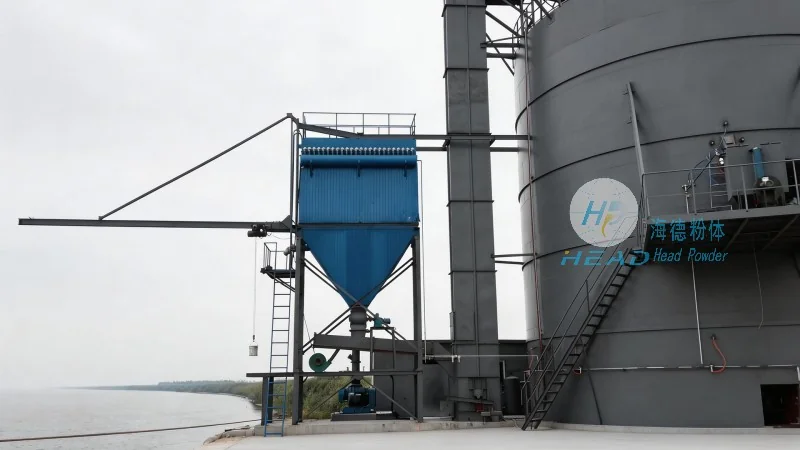
Common Conveying Techniques for Coffee Powder
Several techniques are widely used in the coffee industry for transporting coffee powder. The choice of method often depends on factors such as the volume of material, the distance to be covered, the need for dust control, and the overall budget of the operation. Key methods include pneumatic conveying, mechanical conveying, and gravity-based systems.
Pneumatic Conveying Systems
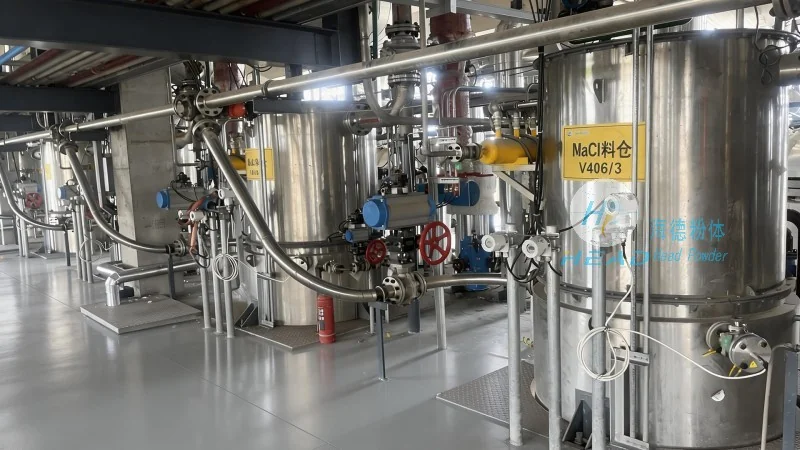
Pneumatic conveying, also known as air conveying, is a popular choice for coffee powder transport due to its ability to handle fine powders and provide enclosed, dust-free operation. This method uses air pressure to move the powder through a pipeline. There are two main types: pressure and vacuum systems. Pressure systems use compressed air to push the powder forward, while vacuum systems use a vacuum to pull the material. Pneumatic conveying is particularly effective for long-distance transport and can be integrated with other processing equipment, such as mixers or blenders, to streamline production.
Mechanical Conveying Systems
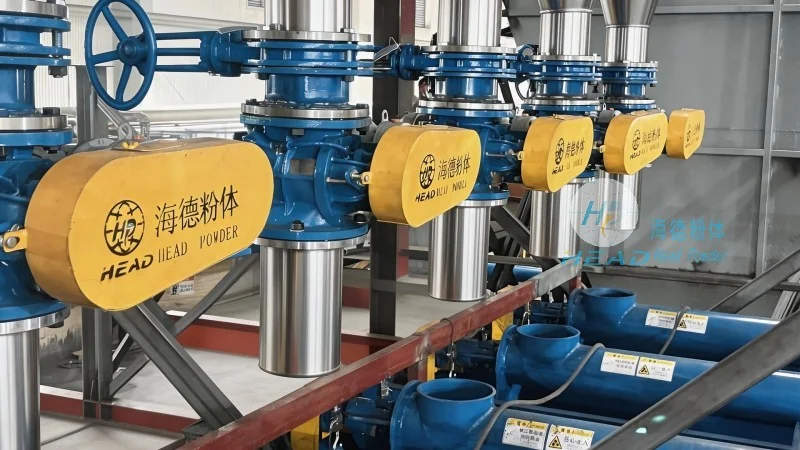
Mechanical conveying systems rely on physical components like belts, screws, or buckets to move coffee powder. Belt conveyors are commonly used for horizontal or slight incline transport, offering high capacity and durability. Screw conveyors, or augers, are ideal for vertical or inclined transport, as they can handle a wide range of particle sizes and are self-contained, requiring no external power source for the conveyor itself. Bucket elevators are another mechanical option, suitable for vertical transport over significant heights, often used in large-scale coffee processing facilities.
Gravity-Based Conveying Solutions
Gravity-based systems utilize the natural force of gravity to move coffee powder from one level to another. These systems typically involve chutes or sloped pathways that allow the powder to flow downward. While simple in design, gravity conveyors are effective for short distances and can be integrated with other equipment to create a continuous flow. They are particularly useful in facilities where space is limited or where the powder needs to be moved between different processing stages without the need for additional energy input.
Key Considerations for Selecting a Conveying Method
When selecting a conveying method for coffee powder, several factors must be carefully evaluated. The first consideration is the material's properties, including particle size, moisture content, and flowability. Fine or cohesive powders may require specialized equipment to prevent clogging or segregation. Second, the distance and layout of the facility play a crucial role. For example, pneumatic systems are better suited for long horizontal distances, while mechanical systems may be more practical for vertical or short horizontal transport. Third, operational costs, including energy consumption and maintenance requirements, should be considered. Pneumatic systems may have higher energy costs due to the need for compressed air, whereas mechanical systems might require more frequent maintenance. Finally, safety and environmental factors, such as dust control and compliance with regulations, are essential. Proper ventilation and dust collection systems are often required to ensure a safe working environment and prevent product contamination.
Conclusion: Optimizing Coffee Powder Conveying with Expert Solutions
Choosing the right coffee powder conveying method is vital for maintaining efficiency, product quality, and operational safety in coffee processing facilities. By understanding the different options available and considering the specific needs of the operation, businesses can select the most suitable system. Companies like Shandong HeadPowder Engineering Co., Ltd., with a focus on providing tailored engineering solutions, can assist in designing and implementing effective conveying systems that meet the unique requirements of coffee production. Whether through pneumatic, mechanical, or gravity-based approaches, the goal is to ensure smooth, reliable transport of coffee powder from processing to final packaging, supporting the overall success of the coffee supply chain.




