Efficient and reliable dry sludge powder conveying systems are crucial in modern waste management and industrial processes. These systems are designed to handle the transportation of dry sludge, a byproduct commonly generated in wastewater treatment plants and other industrial facilities. The equipment plays a vital role in ensuring the safe, efficient, and environmentally friendly transfer of this material, which is often used as a resource in various applications such as fertilizer production or soil amendment. Understanding the operation process and working principle of such systems is essential for optimizing performance and maintaining operational efficiency.
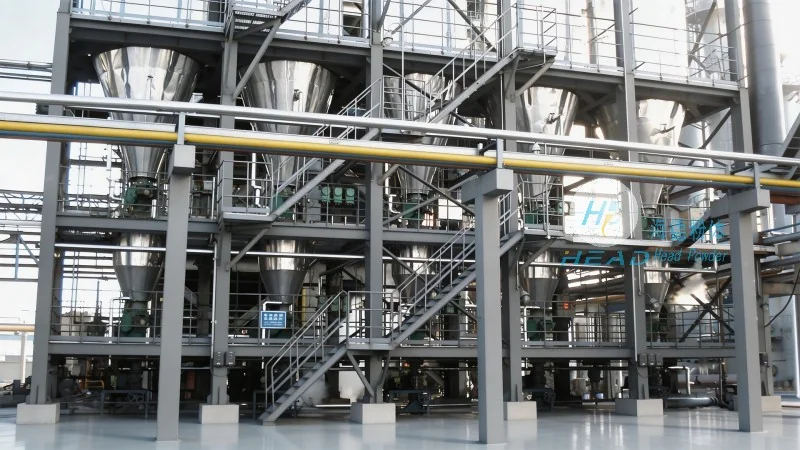
Overview of the Dry Sludge Powder Conveying System
The dry sludge powder conveying system, as provided by Shandong HeadPowder Engineering Co., Ltd., is a sophisticated piece of equipment engineered to handle the complexities of sludge handling. The system is designed to convert wet sludge into a dry, free-flowing powder, which can then be efficiently transported over long distances or integrated into downstream processes. Key components of the system typically include sludge drying units, grinding mechanisms, and pneumatic or mechanical conveying systems. Each component works in tandem to ensure the material is processed and transported with minimal loss and maximum efficiency.
Key Components and Their Functions
At the core of the dry sludge powder conveying system are several critical components that contribute to its overall functionality. The sludge drying unit is responsible for reducing the moisture content of the wet sludge to a level suitable for powder formation. This is typically achieved through heat application, such as hot air or steam, which evaporates the water while preserving the organic and mineral components of the sludge. Following the drying process, the material is fed into a grinding or milling unit that breaks down the dried sludge into a fine powder. This step is crucial for achieving the desired particle size and flow characteristics, which are essential for effective conveying. The final component is the conveying system, which can be either pneumatic (using air pressure to move the powder) or mechanical (using belts or screws). The choice of conveying method depends on factors such as the distance to be covered, the volume of material, and the required flow rate.
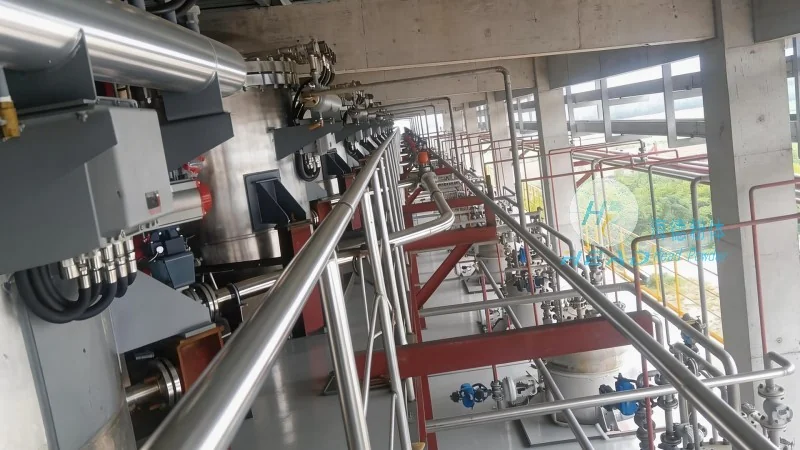
Operation Process of the Dry Sludge Powder Conveying System
The operation of the dry sludge powder conveying system follows a systematic sequence of steps, each designed to ensure the material is processed and transported efficiently. The process begins with the intake of wet sludge into the drying unit. The sludge is fed into the dryer, where it is exposed to heated air or steam, causing the moisture to evaporate. The dried sludge is then transferred to the grinding unit, where it is broken down into a fine powder. The powder is then moved to the conveying system, which transports it to the desired destination, such as a storage silo or a processing plant. Throughout the process, sensors and control systems monitor key parameters such as temperature, moisture content, and flow rate, ensuring that the system operates within optimal conditions. Any deviations are automatically adjusted to maintain consistent performance and prevent equipment damage.
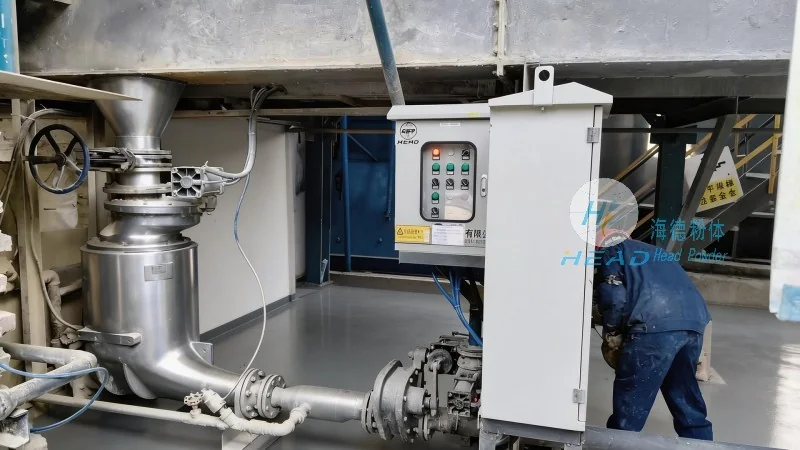
Working Principle of the Dry Sludge Powder Conveying System
The working principle of the dry sludge powder conveying system is based on the combination of drying, grinding, and conveying technologies. The system leverages heat energy to remove moisture from the sludge, converting it from a wet, viscous material into a dry, free-flowing powder. The grinding mechanism then breaks down the dried sludge into a uniform particle size, which enhances its flowability and reduces the risk of blockages in the conveying system. The conveying system, whether pneumatic or mechanical, utilizes air pressure or mechanical force to move the powder from one location to another. Pneumatic conveying systems are particularly effective for long-distance transportation, as they can move the material over distances of several kilometers without the need for intermediate storage or handling. Mechanical conveying systems, on the other hand, are better suited for shorter distances or applications where the material needs to be transported in a controlled manner, such as into a storage silo or a processing line.
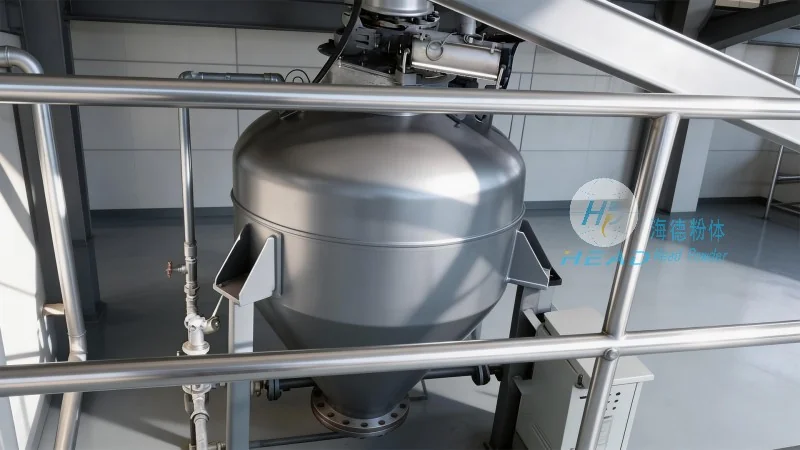
Benefits and Applications of the Dry Sludge Powder Conveying System
The dry sludge powder conveying system offers numerous benefits to industrial and municipal facilities. By converting wet sludge into a dry powder, the system reduces the volume of waste, making it easier to store and transport. The dry powder can be used as a resource in various applications, such as fertilizer production, where it provides essential nutrients to soil. The system also helps to reduce the environmental impact of sludge disposal by minimizing the need for landfills or other disposal methods. Additionally, the system improves operational efficiency by automating the sludge handling process, reducing labor costs and minimizing the risk of accidents. The equipment is designed to be durable and low-maintenance, ensuring long-term reliability and cost-effectiveness.
Conclusion
In conclusion, the dry sludge powder conveying system is a critical piece of equipment for modern waste management and industrial processes. The system, developed by Shandong HeadPowder Engineering Co., Ltd., combines advanced drying, grinding, and conveying technologies to efficiently handle dry sludge powder. The operation process involves the intake of wet sludge, drying, grinding, and conveying, with each step carefully monitored to ensure optimal performance. The working principle is based on the conversion of wet sludge into a dry powder and its subsequent transportation. The system offers significant benefits, including reduced waste volume, resource utilization, and improved operational efficiency. As the demand for sustainable waste management solutions grows, the dry sludge powder conveying system will continue to play a vital role in meeting the needs of industrial and municipal facilities.




