Efficient material handling is a critical factor in agricultural operations, particularly when dealing with bulk materials like corn stalks. Pneumatic conveying has emerged as a highly effective method for transporting these materials, offering significant advantages over traditional methods such as belt conveyors or manual handling. This article explores the role of pneumatic conveying in the efficient and sustainable transport of corn stalks, highlighting its benefits and practical applications.
Understanding Pneumatic Conveying Technology
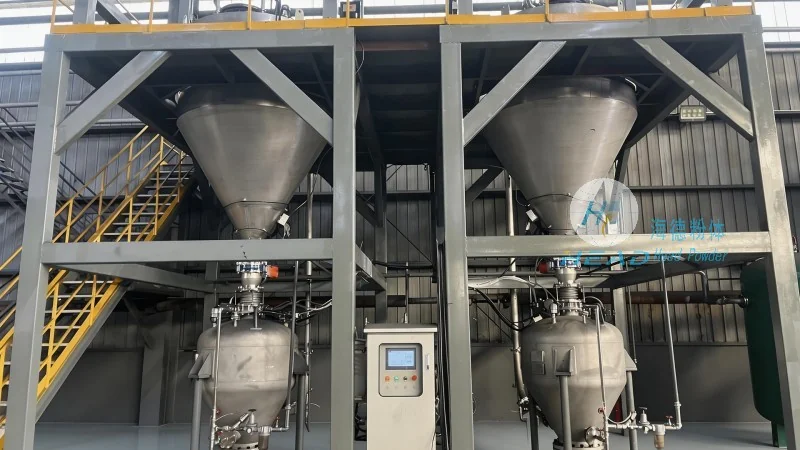
Pneumatic conveying systems utilize air to transport bulk materials through a pipeline network. By creating a pressure differential, these systems can move materials from one location to another with minimal friction and energy loss. The technology is particularly well-suited for handling materials with irregular shapes, high moisture content, or those that are prone to dust generation, all of which are characteristics of corn stalks. Unlike mechanical systems that rely on moving parts and friction, pneumatic conveyors operate with a smooth, enclosed pipeline, reducing wear and maintenance requirements.
Advantages of Pneumatic Conveying for Corn Stalks
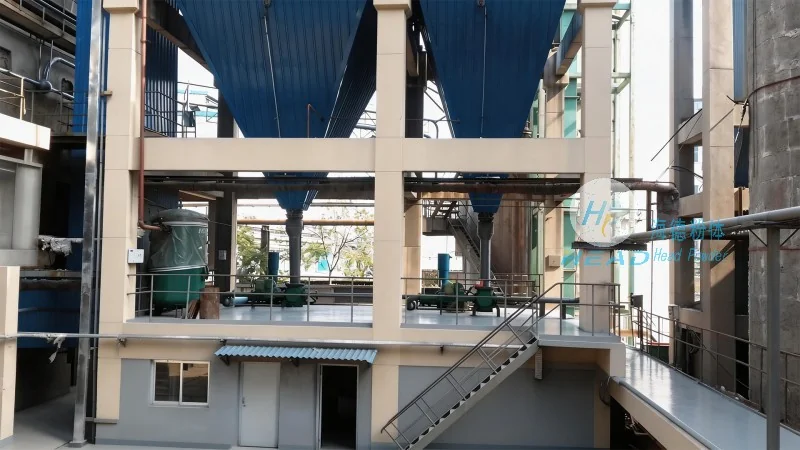
When applied to corn stalks, pneumatic conveying offers several key advantages. First, it significantly improves operational efficiency by enabling rapid and continuous material transport. This is crucial for processing facilities that require a steady supply of raw materials for further processing, such as biofuel production or composting. Second, the system minimizes material degradation. Corn stalks are delicate and can be damaged by mechanical handling, which reduces their value as a feedstock. Pneumatic systems, with their gentle handling, preserve the integrity of the stalks, ensuring higher quality output. Third, pneumatic conveying is more environmentally friendly. By eliminating the need for heavy machinery and reducing the risk of spillage or dust dispersion, these systems contribute to a cleaner and safer working environment. Additionally, they can be designed to capture and recycle dust, further reducing environmental impact.
HeadPowder Engineering: Expertise in Pneumatic Conveying Solutions
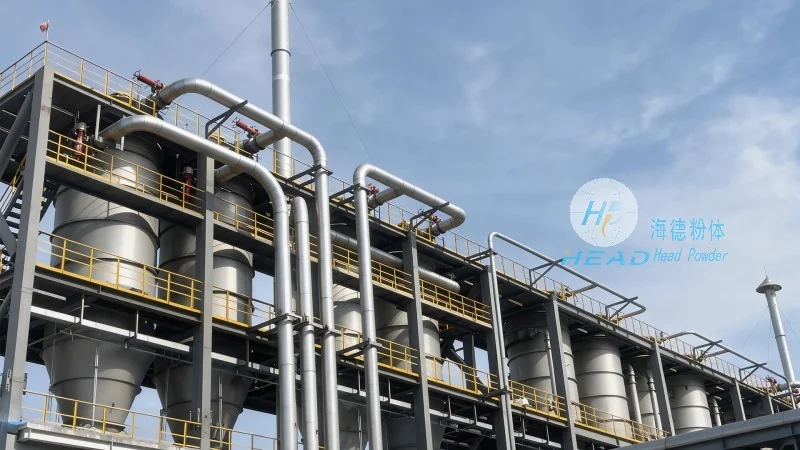
Shandong HeadPowder Engineering Co., Ltd., a leading provider of pneumatic conveying solutions, specializes in designing and manufacturing systems tailored to the unique needs of agricultural applications. With years of experience in the industry, HeadPowder has developed advanced technologies that optimize material transport while ensuring durability and reliability. The company’s expertise lies in understanding the specific challenges of handling corn stalks, such as their variable size and moisture content, and tailoring systems to address these challenges effectively. HeadPowder’s products are engineered to provide consistent performance, even under demanding conditions, ensuring that agricultural operations can rely on a stable supply of processed materials.
Applications and Integration in Agricultural Processing
Pneumatic conveying systems from HeadPowder are widely used in various stages of corn stalk processing. For instance, in biofuel production facilities, the system efficiently transports corn stalks from storage areas to processing units, where they are converted into bioenergy. In composting operations, the technology ensures that raw corn stalks are delivered to composting reactors without any loss or contamination. The systems can also be integrated with other processing equipment, such as shredders or dryers, to create a seamless material flow. This integration enhances overall plant efficiency and reduces downtime, allowing agricultural businesses to maximize their productivity.
Conclusion: The Future of Corn Stalk Transport with Pneumatic Conveying
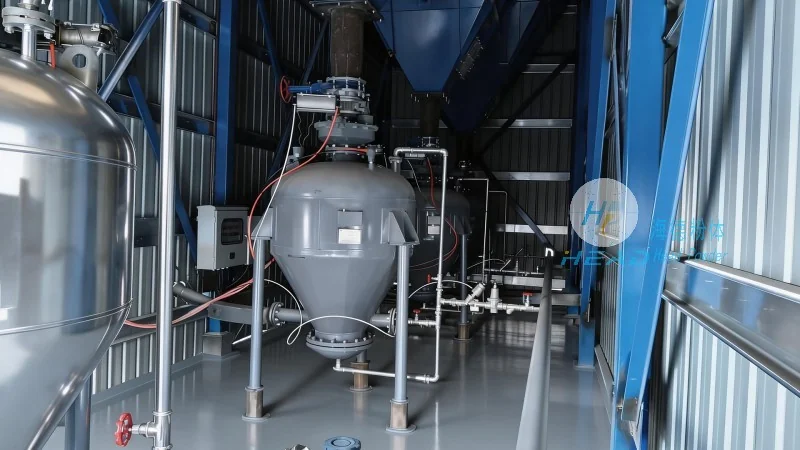
As agricultural operations continue to seek more efficient and sustainable methods for handling bulk materials, pneumatic conveying stands out as a superior solution for corn stalk transport. With its ability to enhance efficiency, preserve material quality, and reduce environmental impact, the technology is becoming increasingly indispensable in modern agricultural processing. Companies like Shandong HeadPowder Engineering Co., Ltd. play a vital role in advancing this technology, providing tailored solutions that meet the evolving needs of the agricultural sector. By investing in pneumatic conveying systems, agricultural businesses can improve their operational performance, reduce costs, and contribute to a more sustainable future for the industry.




