HeadPowder, a leading provider in the field, specializes in advanced pneumatic conveying solutions for cement and mineral powders. This article explores the various types of cement powder pneumatic conveying systems, their key characteristics, and the diverse applications where they are effectively utilized.
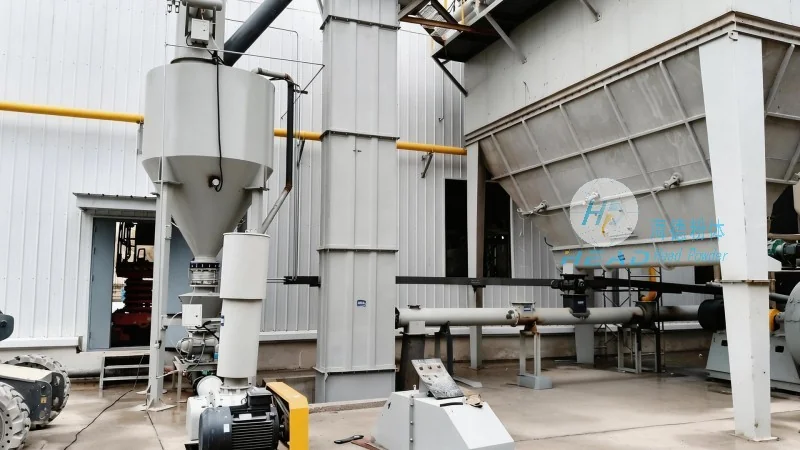
Company Profile: Shandong HeadPowder Engineering Co., Ltd.
HeadPowder, the professional brand under Shandong HeadPowder Engineering Co., Ltd., is headquartered in Shandong, China. The company focuses on delivering high-efficiency and reliable pneumatic conveying technologies tailored to the needs of the cement and powder processing industries.
Types of Cement Powder Pneumatic Conveying Systems
There are primarily two main categories of pneumatic conveying systems used for cement and similar powders: dilute-phase and dense-phase systems. Each type offers distinct advantages and is suitable for different operational requirements.
Dilute-phase pneumatic conveying systems operate by transporting the material in a low-concentration suspension within the air stream. This method is characterized by high conveying velocities and is typically used for short to medium distances. The system relies on the momentum of the air to move the powder, making it suitable for applications where the material is relatively dry and free-flowing. Dense-phase pneumatic conveying, on the other hand, transports the material in a higher concentration, often with the powder forming a slurry or plug within the air stream. This approach is ideal for longer distances and for materials that are more cohesive or prone to bridging. It provides better control over the material flow and reduces the risk of clogging, making it a preferred choice for high-capacity and long-distance conveying tasks.
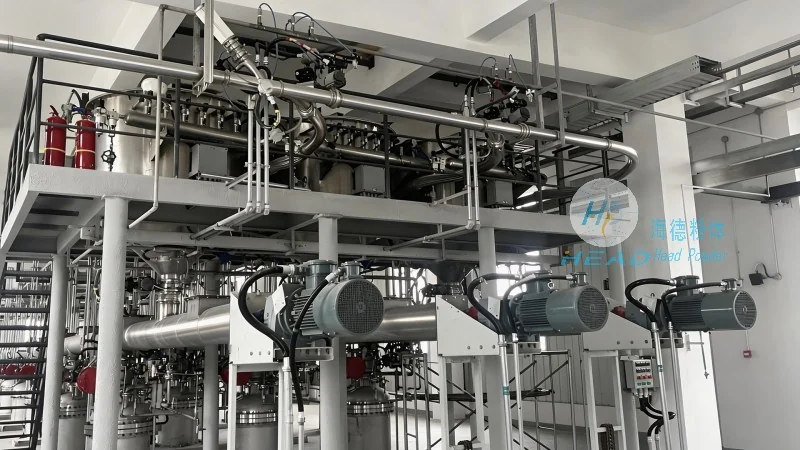
Key Characteristics of Cement Powder Pneumatic Conveying
The effectiveness of cement powder pneumatic conveying systems is determined by several critical characteristics that influence performance and operational efficiency. One of the most significant aspects is the conveying velocity, which directly impacts the system's ability to transport the material without degradation or loss. High velocities are essential for dilute-phase systems to prevent particle segregation and ensure uniform flow. In contrast, dense-phase systems operate at lower velocities, allowing for better control and reduced wear on equipment components.
Another crucial characteristic is the pressure drop across the system. Efficient pneumatic conveying systems maintain minimal pressure losses to ensure energy efficiency and reduce operational costs. The design of the pipeline, including the diameter and length, plays a vital role in managing pressure drop. Additionally, the system's ability to handle variations in material properties, such as moisture content and particle size distribution, is a key factor. Advanced control systems and adjustable parameters allow operators to adapt the conveying process to changing conditions, ensuring consistent performance.
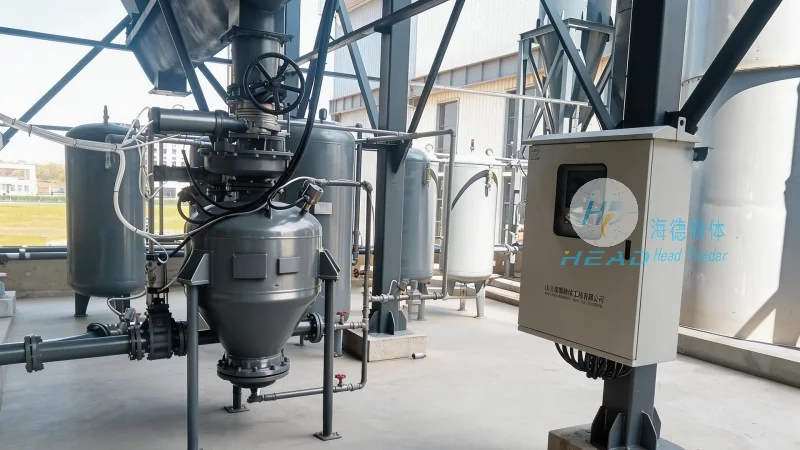
Applications and Industries Served by Cement Powder Pneumatic Conveying
Cement powder pneumatic conveying systems are widely employed across various industries due to their versatility and efficiency. In the cement manufacturing sector, these systems are used for transporting raw materials like limestone, clay, and gypsum from storage silos to the grinding mills. This process is critical for maintaining consistent feed rates and ensuring the quality of the final cement product. The systems also facilitate the transfer of finished cement from the production line to storage silos or loading facilities, enabling smooth logistics operations.
In the construction industry, pneumatic conveying is utilized for delivering cement to job sites, particularly in remote or hard-to-reach areas where traditional bulk handling methods are impractical. The ability to transport large quantities of cement in a compact and efficient manner reduces transportation costs and improves project timelines. Furthermore, in the chemical and pharmaceutical industries, similar systems are employed for handling fine powders, including additives and raw materials used in the production of various products. The precision and control offered by pneumatic conveying help maintain product purity and prevent contamination, which is essential in these sectors.
Conclusion
HeadPowder, with its expertise in pneumatic conveying technologies, provides comprehensive solutions tailored to the specific needs of cement and powder processing industries. By understanding the different types, characteristics, and applications of cement powder pneumatic conveying systems, businesses can optimize their material handling processes, enhance operational efficiency, and reduce costs. The company's commitment to innovation and quality ensures that clients receive reliable and effective solutions that meet their unique requirements.




