Polycarbonate, a high-performance thermoplastic renowned for its exceptional impact resistance, optical clarity, and thermal stability, is widely utilized across diverse sectors such as automotive, electronics, and construction. When processing polycarbonate in bulk form, the need for efficient and reliable material handling systems becomes paramount to preserve product integrity and enhance operational efficiency. Pneumatic conveying technology has emerged as a preferred solution for transporting polycarbonate powders or granules, leveraging air pressure to move materials through enclosed pipelines while minimizing contamination and mechanical stress.
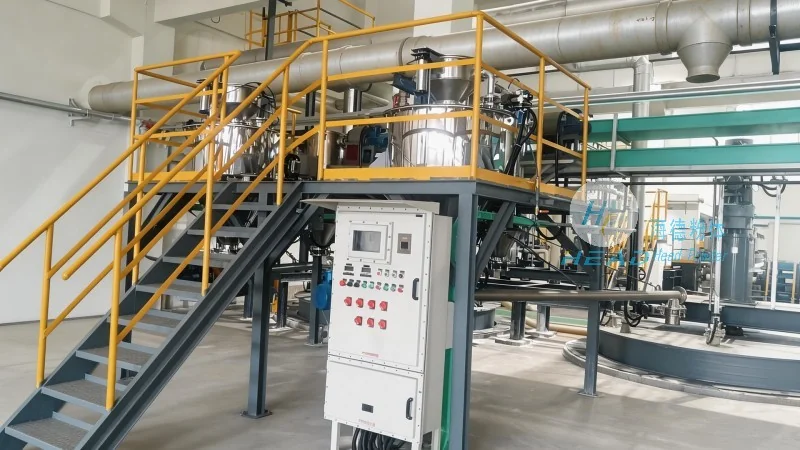
Shandong HeadPowder Engineering Co., Ltd., a leading enterprise in bulk material handling, specializes in designing and manufacturing pneumatic conveying systems tailored for the unique demands of polycarbonate processing. With decades of industry experience, the company has developed advanced solutions that ensure seamless and safe transportation of polycarbonate from storage to processing equipment, aligning with the stringent quality standards of modern manufacturing.
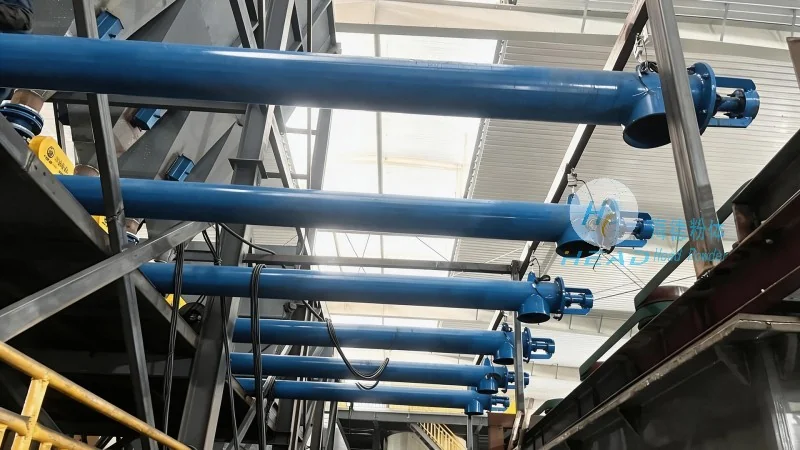
A key advantage of pneumatic conveying for polycarbonate is its ability to handle fine powders without causing agglomeration or particle damage. The system utilizes air pressure to transport materials through a network of pipes, eliminating the need for mechanical components that could introduce contaminants or degrade the material's properties. This is particularly critical for polycarbonate, which is sensitive to moisture and mechanical stress that can affect its optical and mechanical performance, making material protection a top priority.
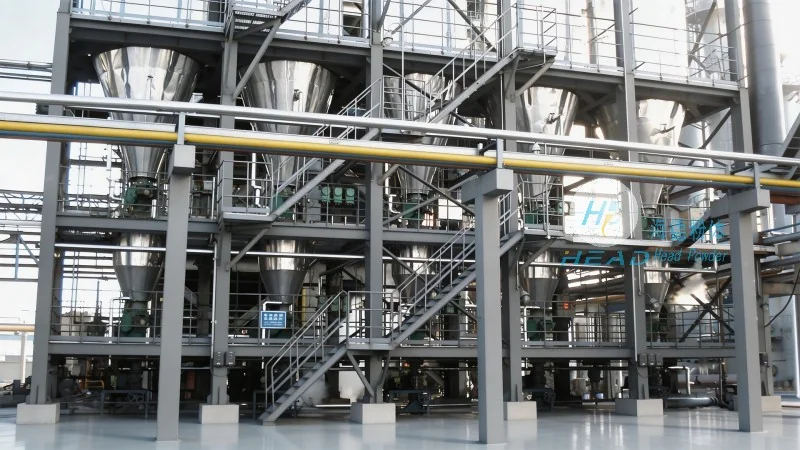
HeadPowder Engineering's pneumatic conveying systems are engineered with precision to meet the specific requirements of polycarbonate manufacturers. The systems can be configured as pressure or vacuum conveyors, depending on the application and material characteristics. For instance, pressure conveying is commonly employed for short-distance transport of polycarbonate granules from storage silos to processing lines, while vacuum conveying is suitable for longer distances or when handling powders that are more prone to dust generation and require gentle handling.
Another critical aspect of polycarbonate handling is maintaining a clean and controlled environment. Pneumatic conveying systems provide enclosed transport, preventing dust from escaping into the workplace and reducing the risk of product contamination. This is essential in industries where product purity is non-negotiable, such as in the production of optical components, medical devices, or high-precision parts. The enclosed design also helps in controlling dust emissions, contributing to a safer and more compliant working environment.
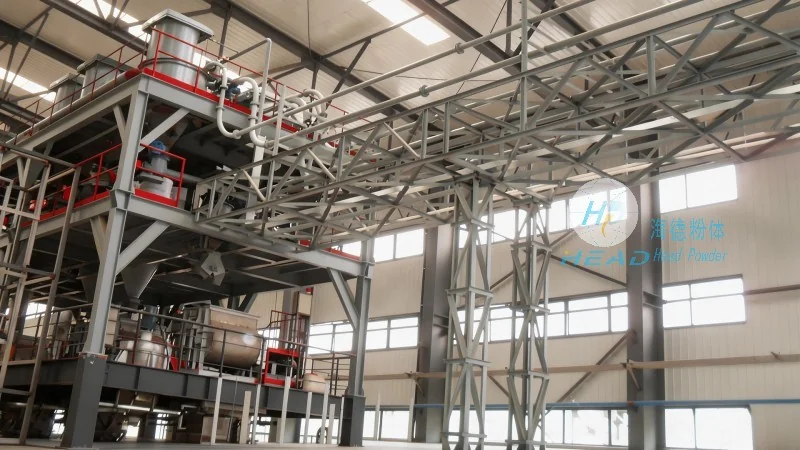
The company's expertise in material flow analysis and system design ensures that the pneumatic conveying systems are optimized for maximum efficiency and minimal energy consumption. By carefully selecting the appropriate air velocity, pipe diameter, and system layout, HeadPowder Engineering can deliver systems that operate at optimal performance levels, reducing operational costs and increasing overall productivity. The integration of advanced control and monitoring features allows operators to track the flow of polycarbonate in real-time, enabling quick identification of any issues, such as blockages or pressure drops, and facilitating timely maintenance to prevent downtime.




