HeadPowder, a leading manufacturer based in Shandong, China, specializes in the design and production of advanced pneumatic conveying systems tailored for precise material handling and blending applications. This article provides a comprehensive overview of the automatic blending and feeding pneumatic conveying machine, focusing on its structural components and operational principles to help users understand its functionality and benefits.
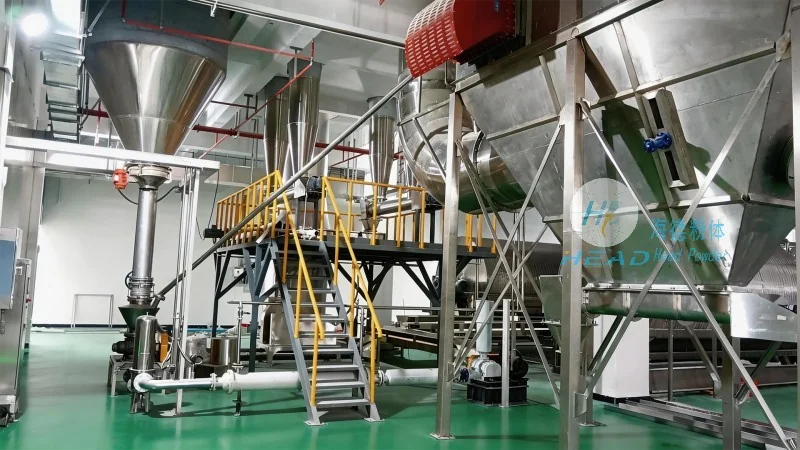
The automatic blending and feeding pneumatic conveying equipment is engineered to efficiently transport bulk materials such as powders, granules, and fine particles from storage silos or hoppers to processing units. It integrates advanced control systems and precise metering mechanisms to ensure consistent material flow and accurate blending ratios, which are critical in industries like pharmaceuticals, food processing, and chemical manufacturing where product quality and uniformity are paramount.
At the core of the system is the pneumatic conveying pipeline, which utilizes compressed air or gas to create a flow of material through the system. The machine typically consists of several key components, including a hopper for material storage, a feeding device to control the initial material flow, a conveying pipeline with appropriate fittings and valves, and a discharge unit for delivering the material to the target location. Each component is designed to work in harmony to maintain the integrity of the material and ensure smooth operation.
The feeding mechanism, often a rotary valve or a screw feeder, plays a crucial role in regulating the initial material discharge from the hopper. This component ensures that the material is fed at a controlled rate, preventing overloading or underfeeding that could disrupt the conveying process. The rotary valve, for instance, uses a rotating disc with slots to allow material to pass through at a steady pace, while the screw feeder provides a continuous, adjustable flow by rotating a screw within a housing.
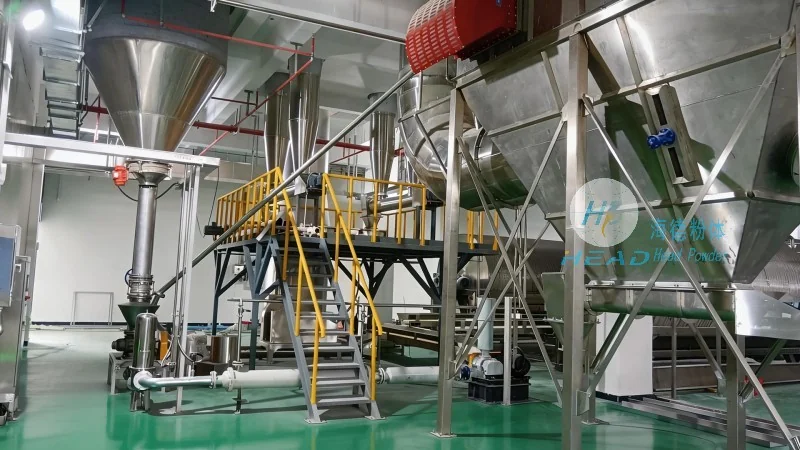
The conveying pipeline is equipped with various fittings, such as elbows, tees, and bends, which are strategically placed to guide the material along the desired path. These fittings are designed to minimize pressure loss and prevent material accumulation or blockages. Additionally, the pipeline may include pressure relief valves and check valves to maintain system stability and prevent backflow, ensuring the safe and efficient transport of the material.
The discharge unit, which can be a rotary valve, a bagging machine, or a direct discharge to a processing line, is responsible for delivering the conveyed material to its final destination. The design of the discharge unit is tailored to the specific application, ensuring that the material is released in a controlled manner without causing dust or spillage. For example, in pharmaceutical applications, the discharge unit may be equipped with a dust collection system to maintain a clean environment and prevent contamination.
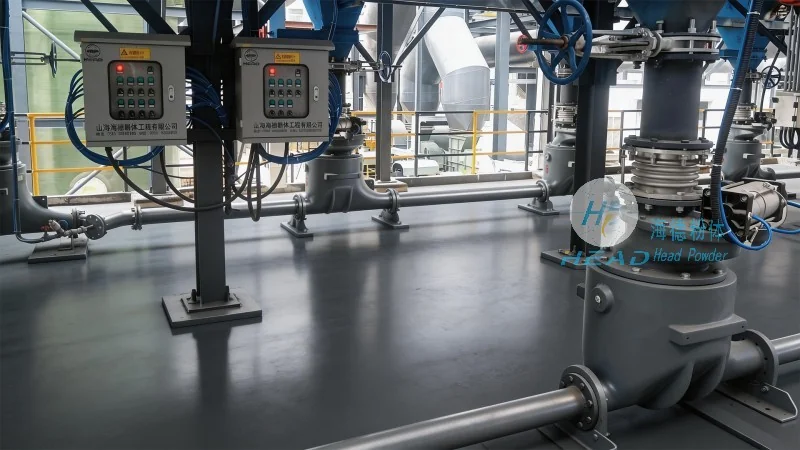
Control systems are integral to the operation of the automatic blending and feeding pneumatic conveying machine, enabling precise regulation of material flow rates and blending ratios. Modern systems often incorporate programmable logic controllers (PLCs) and sensors that monitor parameters such as pressure, flow rate, and material level. These sensors provide real-time data to the control system, allowing for automatic adjustments to maintain optimal performance. The control panel, typically located in a central control room or on the machine itself, allows operators to set parameters, monitor system status, and troubleshoot issues as needed.
The structural design of the equipment emphasizes durability and ease of maintenance. The hopper and conveying pipeline are constructed from high-quality materials, such as stainless steel or corrosion-resistant alloys, to withstand the abrasive nature of the materials being handled. The components are also designed with accessibility in mind, allowing for easy inspection and replacement of parts during maintenance. This ensures that the machine operates reliably over extended periods with minimal downtime.
In summary, the automatic blending and feeding pneumatic conveying machine is a sophisticated system that combines advanced engineering with precise control to achieve efficient material handling and blending. By understanding its structural components and operational principles, users can appreciate the benefits it offers, including improved process control, reduced labor costs, and enhanced product quality. HeadPowder's expertise in designing and manufacturing such equipment ensures that clients receive reliable and efficient solutions tailored to their specific needs.




