Crystal particle pneumatic conveying systems are advanced industrial equipment designed for the efficient transportation of fine or granular materials such as crystals, powders, and other particulate substances. These systems utilize air or gas as the conveying medium to move materials from one location to another without the need for mechanical components like belts or buckets. The technology is widely adopted in various industries, including pharmaceuticals, chemicals, food processing, and mining, due to its ability to handle delicate materials while maintaining high throughput and minimal product degradation.
Structural Principles of Pneumatic Conveying Lines
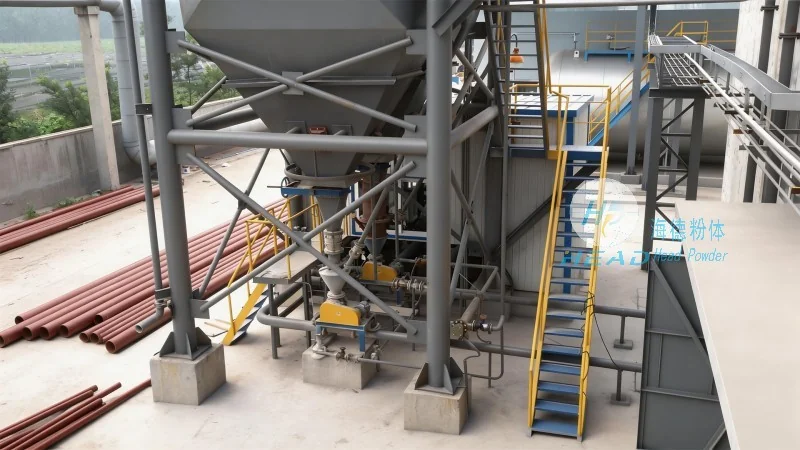
The core structure of a crystal particle pneumatic conveying line typically consists of several key components that work in concert to ensure reliable operation. The system begins with a material feed hopper or silo, which stores the crystal particles and provides a controlled feed into the conveying line. From the hopper, the material is introduced into a venturi or a rotary valve, which creates a pressure differential to initiate the material's movement. The conveying line itself is usually made of stainless steel or other corrosion-resistant materials to accommodate the chemical properties of the crystal particles and ensure durability. Air is supplied by a blower or compressor, which generates the necessary airflow to carry the particles through the pipeline. The system may include additional components such as filters, cyclones, or dust collectors to separate the material from the air at the discharge end, ensuring that the particles are deposited accurately and the air is cleaned before release.
Key Components and Their Functions
Each component of the crystal particle pneumatic conveying system plays a critical role in the overall performance and efficiency. The material feed hopper is designed to maintain a consistent material level, preventing blockages and ensuring a steady flow. The venturi or rotary valve acts as the primary air intake, creating a vacuum or pressure boost to move the particles. The conveying pipeline is engineered to minimize pressure loss and maintain the velocity of the air-stream, which is crucial for preventing particle deposition and ensuring smooth transport. The blower or compressor provides the necessary air pressure, with adjustable settings to accommodate different material types and conveying distances. The filter or cyclone system at the discharge end separates the crystal particles from the air, allowing the particles to be collected in a container while the air is cleaned and either recirculated or discharged safely. These components are typically integrated into a compact system, making them suitable for both small-scale and large-scale industrial applications.
Advantages of Crystal Particle Pneumatic Conveying Systems
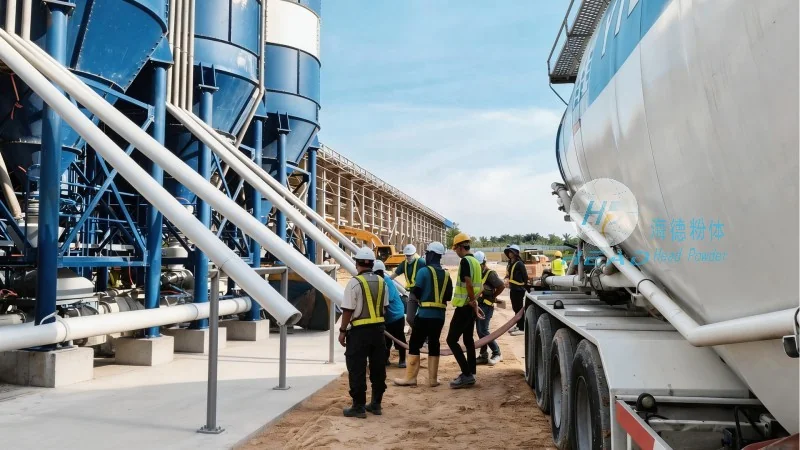
Implementing a crystal particle pneumatic conveying system offers several advantages over traditional mechanical conveying methods. One of the most significant benefits is the ability to handle delicate or sensitive materials without causing damage, as the particles are suspended in the air rather than being crushed or abraded by mechanical parts. This is particularly important for pharmaceuticals or food products where product integrity is paramount. Additionally, pneumatic conveying systems can achieve high throughput rates, often exceeding the capacity of belt conveyors or bucket elevators, making them ideal for large-scale production environments. The systems are also relatively compact and can be installed in confined spaces, reducing the footprint required for material handling. Furthermore, they offer better control over material flow, with adjustable air pressure and flow rates allowing for precise control of the conveying speed. This level of control is essential for maintaining consistent product quality and preventing overloading or underloading of downstream processes.
Applications in Different Industries
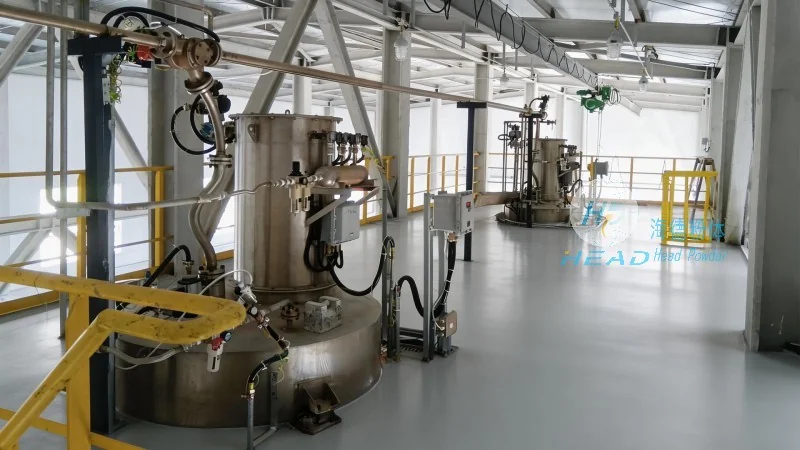
Crystal particle pneumatic conveying systems are versatile and can be applied across a wide range of industries. In the pharmaceutical industry, they are used to transport active pharmaceutical ingredients (APIs) and excipients with high precision, ensuring that the materials are handled hygienically and without contamination. The food processing industry utilizes these systems for conveying ingredients like sugar, spices, or flour, maintaining the quality and freshness of the products. In the chemical industry, they handle various powders and granules, including catalysts and reagents, with minimal risk of cross-contamination. The mining and mineral processing sectors also benefit from pneumatic conveying systems, as they efficiently transport ore and other minerals from processing plants to storage or further treatment facilities. These applications highlight the adaptability of the technology to diverse material types and operational requirements.
About Shandong HeadPowder Engineering Co., Ltd.
Shandong HeadPowder Engineering Co., Ltd., commonly known as headpowder, is a leading manufacturer and supplier of advanced material handling solutions, including crystal particle pneumatic conveying systems. With a strong focus on innovation and quality, the company has established itself as a trusted partner in the industry, providing customized solutions tailored to the specific needs of its clients. Headpowder's team of engineers and technicians leverages years of experience and cutting-edge technology to design and manufacture systems that meet the highest standards of performance, reliability, and safety. The company's facilities are equipped with state-of-the-art equipment and adhere to strict quality control protocols, ensuring that every product meets or exceeds industry expectations. Headpowder is committed to delivering sustainable and efficient material handling solutions that enhance operational efficiency and reduce costs for its customers. With a presence in China, the company serves a global market, providing support and after-sales services to ensure long-term customer satisfaction.




