When it comes to managing sulfur powder in industrial settings, selecting the appropriate pneumatic conveying system is crucial for efficiency, safety, and cost-effectiveness. The right system can significantly improve material handling processes, reduce downtime, and enhance overall operational performance. This guide will help you understand the key factors to consider when choosing a pneumatic conveying system for your sulfur powder handling needs.
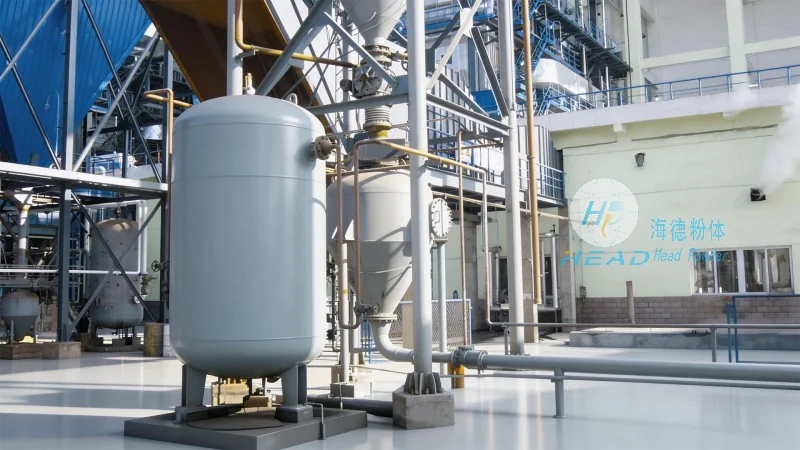
Understanding the Importance of Pneumatic Conveying for Sulfur Powder
Sulfur powder is a common material in various industries, including chemical manufacturing, mining, and agricultural applications. Handling this material requires specialized equipment due to its properties, such as dustiness, potential reactivity, and the need for precise control during transport. Pneumatic conveying systems offer a flexible and effective solution for moving sulfur powder from one location to another without the need for mechanical components like belts or buckets. These systems use air or other gases to transport the material through pipelines, making them ideal for applications where traditional methods may be less suitable.
Key Factors to Consider When Selecting a Pneumatic Conveying System
Choosing the right pneumatic conveying system for sulfur powder involves evaluating several critical factors. The first consideration is the material's characteristics, including its density, flowability, and potential for caking or agglomeration. Sulfur powder can vary in these properties, so the system must be designed to handle the specific attributes of your material. For example, if the powder is fine and prone to dusting, a system with better containment and filtration is essential to prevent environmental contamination and ensure worker safety.
Another important factor is the distance and layout of the conveying route. The length and complexity of the pipeline network will influence the type of system to use. For short distances and simple layouts, a positive displacement system may be sufficient. However, for longer distances or more complex systems with multiple branches, a pressure or vacuum system might be more appropriate. The choice of system also depends on the required flow rate and the volume of material to be transported. High-volume applications may require larger-diameter pipelines and more powerful air compressors to maintain consistent flow rates.
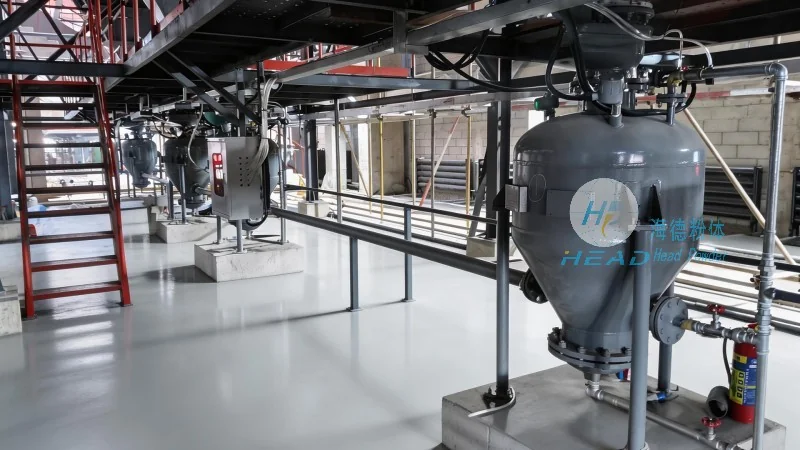
Types of Pneumatic Conveying Systems for Sulfur Powder
There are several types of pneumatic conveying systems available, each with its own advantages and applications. The most common types include positive displacement systems, pressure systems, and vacuum systems. Positive displacement systems use a piston or rotary lobe pump to move material in small, controlled batches, making them ideal for handling fine powders and preventing material degradation. These systems are often used in applications where precise control over the flow rate is necessary, such as in pharmaceutical or food processing industries, though they can also be adapted for sulfur powder handling.
Pressure systems, on the other hand, use compressed air to push the material through the pipeline. They are suitable for short to medium distances and can handle a wide range of materials, including sulfur powder. These systems are generally more cost-effective for shorter conveying distances and lower flow rates. Vacuum systems, conversely, use a vacuum to draw material into the pipeline, making them ideal for applications where the material needs to be transported from a lower elevation or where the source is located in a different part of the facility. Vacuum systems are often used in collection and transfer applications, such as moving sulfur powder from a storage silo to a processing unit.
Design Considerations for Sulfur Powder Handling Systems
When designing a pneumatic conveying system for sulfur powder, several design considerations must be taken into account to ensure optimal performance and safety. First, the system must be designed to prevent material buildup and clogging in the pipelines. Sulfur powder can be prone to agglomeration, especially if it is stored for extended periods or exposed to moisture. To prevent this, the system may include features such as agitators, vibrators, or heated pipelines to maintain the material's flowability. Additionally, the system should be equipped with proper filtration and dust collection equipment to prevent dust emissions and protect the environment and workers.
Material selection for the pipeline and components is another critical design consideration. Sulfur powder can be corrosive or abrasive, depending on its purity and additives. Therefore, the pipeline and fittings should be made from materials that are resistant to corrosion and wear, such as stainless steel or specialized plastics. The system should also include appropriate valves and controls to regulate the flow of material and air, ensuring smooth and controlled operation. Proper maintenance and monitoring of the system are essential to prevent breakdowns and ensure long-term reliability.
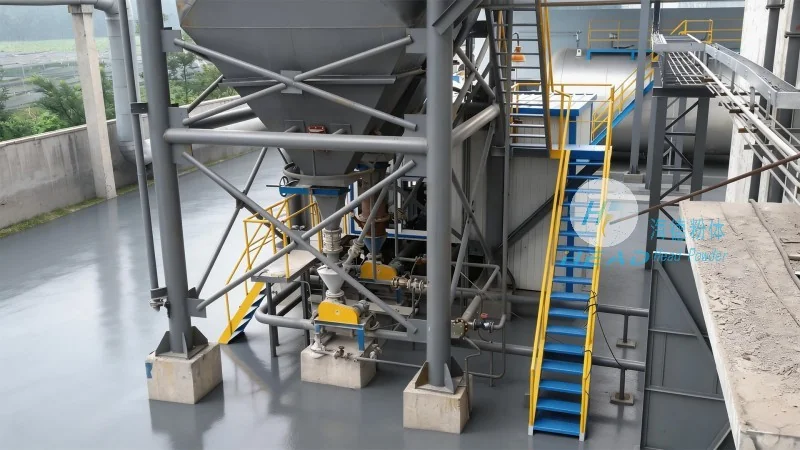
Benefits of Choosing the Right Pneumatic Conveying System
Implementing the right pneumatic conveying system for your sulfur powder handling process offers numerous benefits. One of the primary advantages is improved efficiency and reduced downtime. By using a system that is well-suited to your material and application, you can minimize material loss, reduce maintenance costs, and increase the overall throughput of your operation. Additionally, pneumatic conveying systems can enhance safety by reducing the need for manual handling of sulfur powder, which can be hazardous due to dust exposure and potential reactivity.
Another benefit is the flexibility and scalability of the system. Pneumatic conveying systems can be easily expanded or modified to accommodate changes in production volume or process requirements. This makes them a cost-effective solution for growing businesses or facilities that need to adapt to changing market demands. Furthermore, the use of pneumatic conveying can reduce the risk of product contamination, as the material is transported in a closed system, minimizing exposure to external elements and contaminants.
Conclusion and Recommendations
Selecting the right pneumatic conveying system for your sulfur powder handling process requires careful consideration of material properties, conveying distance, flow rate, and operational requirements. By evaluating these factors and choosing a system that is tailored to your specific needs, you can achieve improved efficiency, safety, and cost savings. It is recommended to consult with experienced suppliers, such as Shandong HeadPowder Engineering Co., Ltd., who specialize in designing and manufacturing pneumatic conveying systems for industrial applications. Their expertise in handling sulfur powder and other similar materials can help you select the most suitable system for your facility, ensuring optimal performance and long-term reliability.




