Stone aggregate conveying is a critical process in the construction and mining industries, involving the efficient transportation of crushed stones, gravel, and other solid materials from one location to another. The choice of conveying method depends on various factors such as the material characteristics, distance to be covered, and the required throughput. In this article, we will explore the primary methods used for stone aggregate conveying, highlighting the advantages and applications of each approach.
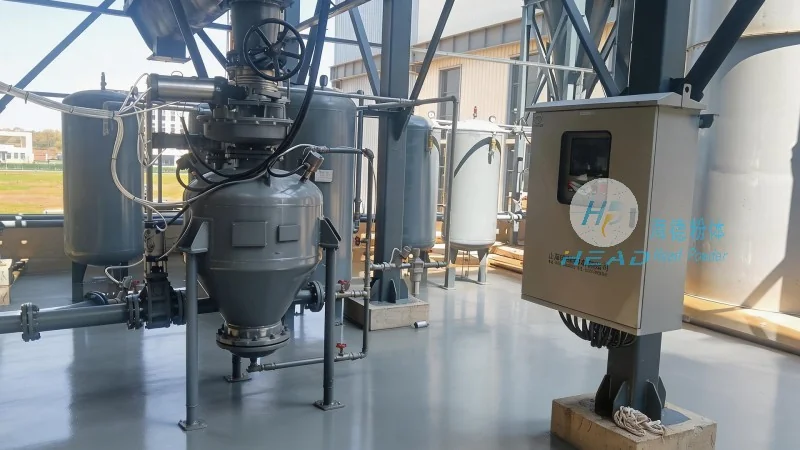
HeadPowder Engineering, a leading manufacturer based in Shandong, China, specializes in providing high-quality conveying solutions tailored to the needs of the stone aggregate industry. With years of experience and a commitment to innovation, the company offers a range of equipment designed to enhance productivity and ensure reliable material handling. The following sections detail the different methods for stone aggregate conveying, with a focus on the technologies and applications that make them suitable for various industrial scenarios.
1. Belt Conveyor Systems
Belt conveyors are among the most common and versatile methods for stone aggregate conveying. These systems utilize a continuous loop of rubber or fabric belt that moves over rollers or pulleys, transporting materials in a linear or curved path. The primary advantage of belt conveyors is their ability to handle large volumes of material over long distances with minimal maintenance. They are particularly effective for transporting bulk materials like crushed stone, sand, and gravel from quarries to processing plants or storage facilities.
HeadPowder Engineering's belt conveyor systems are engineered to meet the demands of heavy-duty applications. The company's designs incorporate robust components, including heavy-duty rollers, reinforced belts, and adjustable speed drives, ensuring durability and consistent performance. These conveyors can be customized to accommodate different material sizes and shapes, making them suitable for various stages of stone processing, from primary crushing to final product delivery.
2. Screw Conveyor Systems
Screw conveyors, also known as auger conveyors, are another popular method for stone aggregate conveying. These systems consist of a rotating screw (auger) enclosed in a U-shaped or cylindrical housing. As the screw rotates, it pushes the material forward, allowing for vertical or horizontal transport. Screw conveyors are ideal for handling dry, free-flowing materials and are commonly used in applications where space is limited or where a compact design is required.
HeadPowder Engineering offers screw conveyor solutions that are highly efficient for transporting materials such as sand, gravel, and crushed stone. The company's screw conveyors feature high-strength stainless steel or carbon steel construction, ensuring resistance to corrosion and wear. The design allows for easy maintenance, with accessible components that can be replaced without extensive downtime. These conveyors are particularly useful in batching plants, feed mills, and other operations where precise material control is essential.
3. Bucket Elevator Systems
Bucket elevators are vertical conveying systems that use a continuous chain or belt with attached buckets to lift and transport materials from a lower to a higher level. This method is highly effective for vertical transport of stone aggregates, especially in applications where the material needs to be elevated to significant heights, such as in cement plants or large-scale mining operations.
HeadPowder Engineering's bucket elevator systems are engineered for high capacity and reliability. The company's designs incorporate heavy-duty buckets and chains, ensuring efficient material handling even with abrasive stone aggregates. These elevators are equipped with safety features, including emergency stop mechanisms and overload protection, to ensure safe operation. The vertical transport capability of bucket elevators makes them an essential component in many stone processing facilities, enabling the efficient movement of materials between different levels of the plant.
4. Pneumatic Conveying Systems
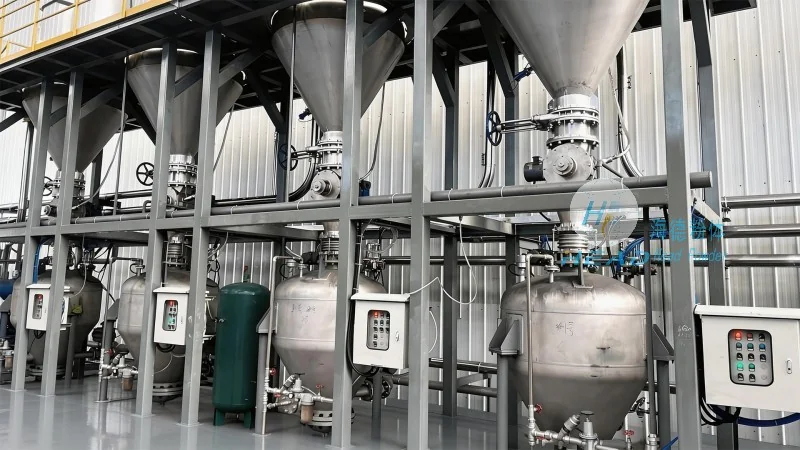
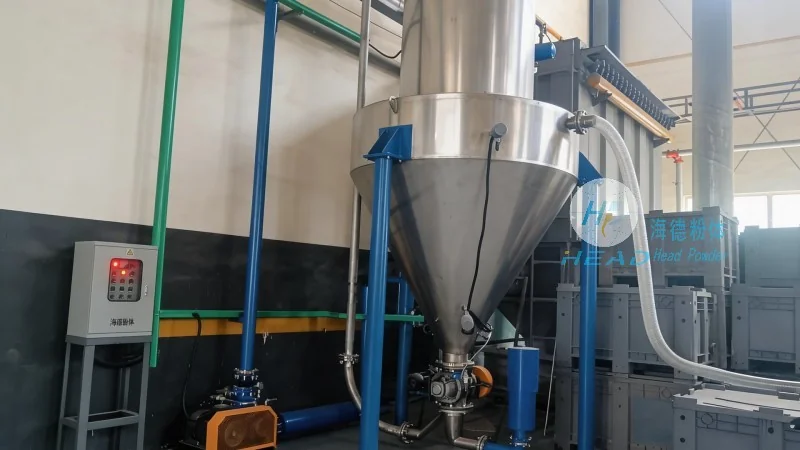
Pneumatic conveying systems use air or gas to transport dry, non-abrasive materials through a pipeline. This method is particularly suitable for transporting fine powders or granular materials, but can also be adapted for stone aggregates in certain applications. Pneumatic conveyors are advantageous for applications requiring dust control and minimal material degradation, as the material is enclosed within the pipeline.
HeadPowder Engineering provides pneumatic conveying solutions that are tailored to the needs of the stone aggregate industry. The company's systems use high-pressure air to move materials through flexible or rigid pipes, ensuring efficient transport over short to medium distances. These conveyors are particularly useful in applications where the material needs to be transported in a controlled manner, such as in feed processing or chemical mixing operations. While less common for large stone aggregates, pneumatic conveying can be effective for transporting fine crushed stone or sand.
5. Hydraulic Conveying Systems
Hydraulic conveying systems utilize water or a slurry to transport stone aggregates through a pipeline. This method is commonly used in mining operations where the material is mixed with water to form a slurry, which is then pumped to the processing plant. Hydraulic conveyors are effective for long-distance transport of large volumes of material, especially in underground mining or quarry operations.
HeadPowder Engineering's hydraulic conveying systems are designed for high-capacity and reliable transport of stone aggregates. The company's solutions include robust pumps and pipelines that can handle the abrasive nature of stone aggregates, ensuring long service life. These systems are particularly useful in applications where the material needs to be transported over long distances with minimal energy consumption. The hydraulic method is often preferred in mining operations where the material is already in a slurry form, reducing the need for additional processing steps.
6. Combined Conveying Systems
In many industrial applications, a single conveying method may not be sufficient to meet all the requirements. HeadPowder Engineering offers combined conveying systems that integrate multiple technologies to achieve optimal material handling. For example, a system might combine a belt conveyor for horizontal transport with a bucket elevator for vertical transport, or a screw conveyor for fine material handling with a pneumatic system for dust control.
These combined systems allow for flexible and efficient material transport, adapting to the changing needs of the stone processing plant. HeadPowder Engineering's expertise in designing and manufacturing integrated conveying solutions ensures that clients can achieve maximum productivity and cost efficiency. The company's engineers work closely with clients to understand their specific requirements and design a system that meets all operational and safety standards.
When selecting a stone aggregate conveying method, it is essential to consider factors such as the material's size, shape, and moisture content, as well as the distance and elevation changes required. HeadPowder Engineering provides comprehensive consultation services to help clients choose the most suitable conveying system for their operations. The company's team of experts evaluates the specific needs of each project, considering factors such as throughput, space constraints, and budget, to recommend the optimal solution.
By leveraging the latest technology and engineering expertise, HeadPowder Engineering ensures that its conveying systems are designed to deliver reliable performance and long service life. The company's commitment to quality and customer satisfaction has made it a trusted partner in the stone aggregate industry, providing solutions that enhance productivity and efficiency for its clients. Whether you need a belt conveyor for bulk material transport or a bucket elevator for vertical lifting, HeadPowder Engineering offers a range of high-quality solutions tailored to your specific needs.




