HeadPowder, a leading provider of dust handling solutions, specializes in pneumatic conveying systems designed for efficient and reliable transport of bulk materials. This article explores the fundamental principles of dust pneumatic conveying, its classification, and practical applications in various industries.
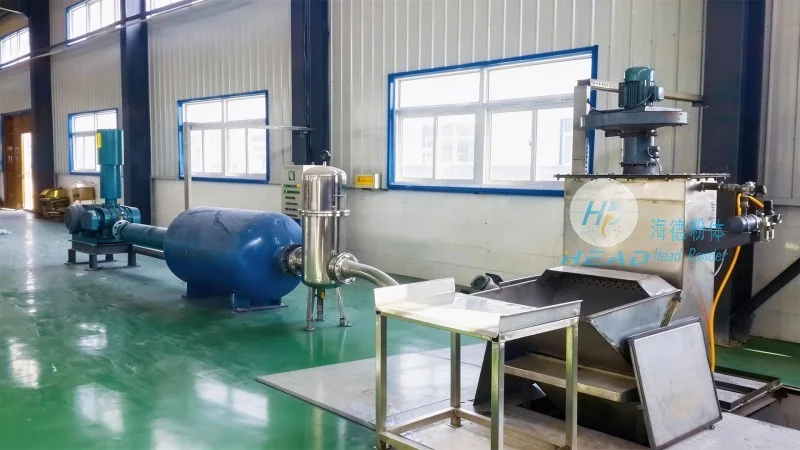
Understanding Pneumatic Conveying Systems
Pneumatic conveying, also known as air conveying, is a method of transporting bulk materials through a pipeline using air or gas as the conveying medium. It offers advantages such as flexibility in layout, ability to handle abrasive or corrosive materials, and reduced exposure to dust in the workplace. The core of this technology lies in the interaction between the material being conveyed and the air flow, which can be categorized into different types based on the system's operation and material characteristics.
The Working Principle of Dust Pneumatic Conveying
The fundamental principle of dust pneumatic conveying involves creating a pressure or vacuum within a pipeline to move the material. There are two primary modes of operation: vacuum (or suction) conveying and pressure (or positive) conveying. In vacuum conveying, a vacuum pump creates a negative pressure that draws the material from the source into the pipeline. This method is ideal for handling materials at the source, such as in silos or hoppers, and is commonly used for short to medium distances. Pressure conveying, on the other hand, uses a positive pressure generated by a blower or compressor to push the material through the pipeline. This approach is suitable for longer distances and can handle more abrasive materials due to the higher air pressure.
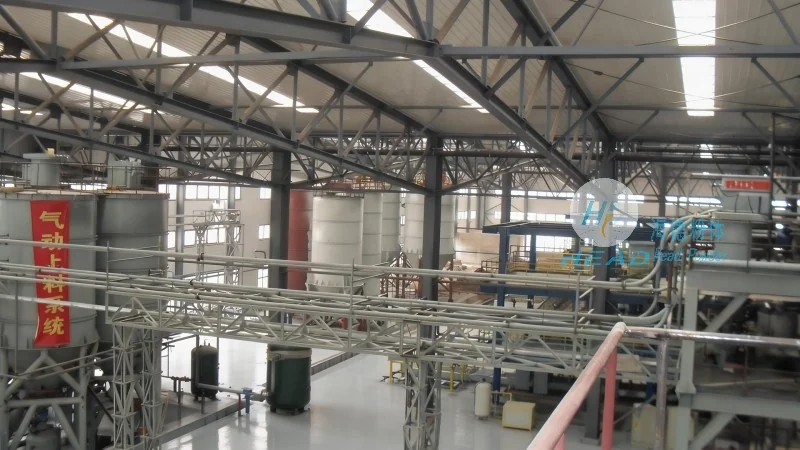
Classification of Pneumatic Conveying Systems
Pneumatic conveying systems are typically classified based on the material's flow characteristics and the air velocity within the pipeline. The main categories include:
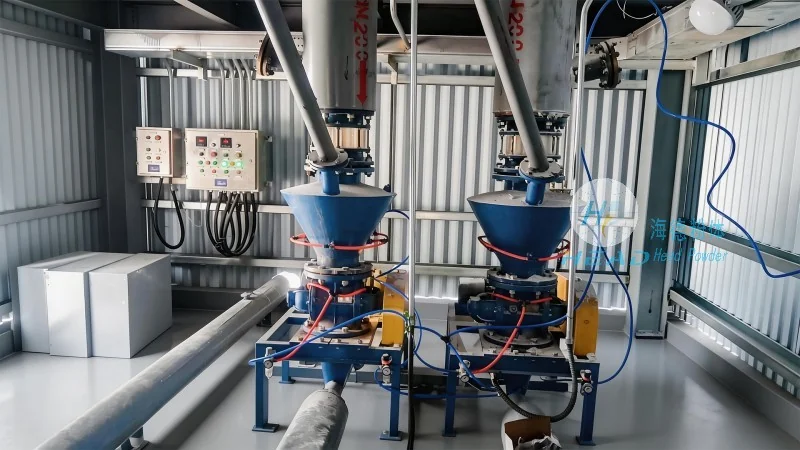
- Solid-liquid or slurry conveying: This involves transporting materials mixed with liquid, often used in industries like mining and chemical processing.
- Low-velocity (or dilute-phase) conveying: Characterized by low air velocities (typically 10-20 m/s) and a large volume of air relative to the material. It is suitable for fine powders and granular materials.
- High-velocity (or dense-phase) conveying: Features high air velocities (above 20 m/s) and a smaller volume of air compared to the material. This method is used for abrasive or sensitive materials, as it reduces particle impact and wear on the system components.
Applications of Dust Pneumatic Conveying
Dust pneumatic conveying is widely applied across various industries due to its efficiency and adaptability. In the pharmaceutical industry, it is used for transporting fine powders and granules, ensuring minimal contamination and dust exposure. The food industry relies on this technology for handling powders like flour, sugar, and spices, maintaining hygiene standards. In the chemical sector, it facilitates the transport of abrasive powders and reactive materials, protecting equipment and personnel. Additionally, in the mining and construction industries, pneumatic conveying systems are used to move bulk materials such as coal, sand, and cement over long distances with minimal environmental impact.
HeadPowder Engineering Co., Ltd. - Your Trusted Partner in Dust Handling Solutions
Shandong HeadPowder Engineering Co., Ltd., based in Shandong, China, is dedicated to providing innovative and reliable pneumatic conveying solutions tailored to the specific needs of our clients. Our team of experts designs and manufactures custom systems that meet industry standards and enhance operational efficiency. With years of experience in the field, we understand the importance of selecting the right conveying method and system configuration for each application. Whether you need a vacuum or pressure system, low- or high-velocity design, HeadPowder offers comprehensive solutions that ensure safe, efficient, and cost-effective material transport. Contact us today to learn more about how our pneumatic conveying systems can optimize your material handling processes.




