Introduction to Sponge Sand Pneumatic Conveying Lines: Structure and Working Principles
Release time:2026-09-21 23:01:52
name of the company:Shandong Headpowder Engineering Co., Ltd.
telephone:156-6277-7102
contacts:Zhang manager
For industrial applications requiring efficient and reliable material handling, the sponge sand pneumatic conveying line stands out as a sophisticated solution. This technology is designed to transport abrasive or delicate materials like sponge sand with precision, ensuring minimal wear and optimal performance. The following overview delves into the structural components and operational principles that define this advanced system.
Key Structural Components of the Sponge Sand Pneumatic Conveying Line
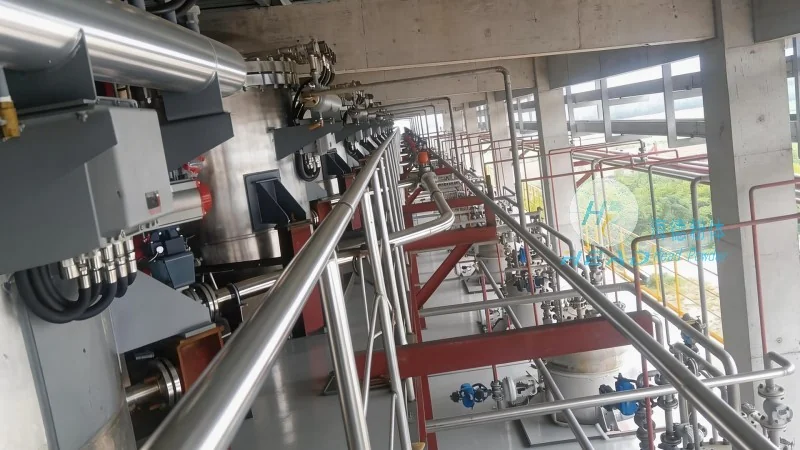
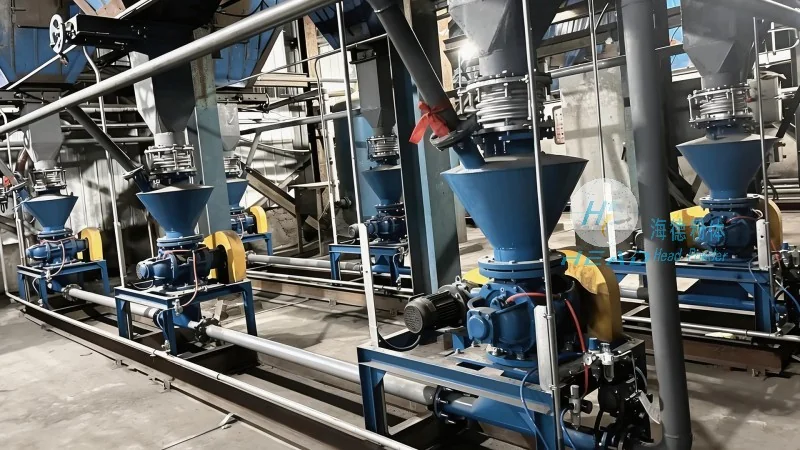
The sponge sand pneumatic conveying line comprises several critical components that work in tandem to facilitate seamless material transport. At the core of the system is the conveying pipeline, typically made from durable materials such as stainless steel or high-density polyethylene to withstand the abrasive nature of sponge sand. This pipeline is equipped with strategically placed inlet and outlet valves that control the flow of material and air, ensuring precise regulation of the conveying process. Additionally, the system integrates airlocks and cyclones to separate the material from the air stream, preventing clogging and maintaining consistent performance. The blower or compressor unit serves as the power source, generating the necessary air pressure to move the material through the pipeline. Finally, the control panel allows operators to monitor and adjust the system parameters, ensuring optimal operation based on the material characteristics and production requirements.
Working Principles of the Sponge Sand Pneumatic Conveying Line
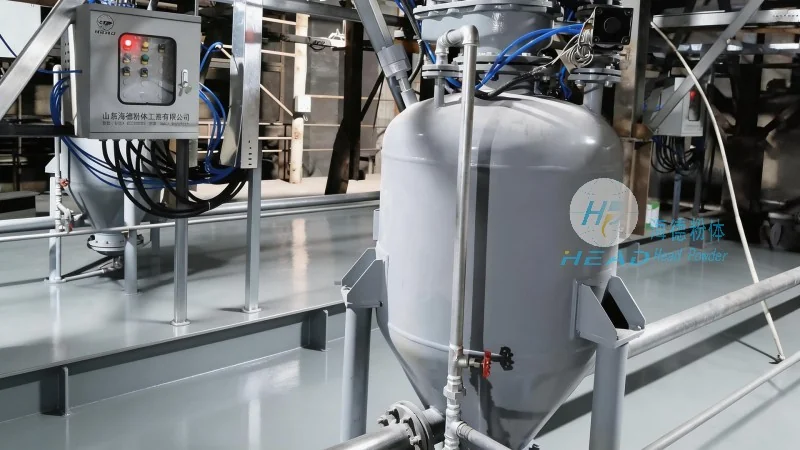
The operation of the sponge sand pneumatic conveying line is based on the principle of pneumatic transport, where material is suspended and propelled by a stream of air. The process begins with the material being fed into the inlet of the conveying pipeline. Simultaneously, the blower generates a high-pressure air stream that enters the pipeline. As the air flows through the pipeline, it creates a low-pressure zone that draws the sponge sand particles into the air stream. The combination of air velocity and particle size ensures that the material is fully suspended, preventing blockages and maintaining a consistent flow rate. The airlocks and cyclones then separate the material from the air, allowing the clean air to be discharged while the sponge sand is collected in a designated container. This separation process is crucial for maintaining the quality of the material and preventing contamination. The control panel continuously monitors the pressure, flow rate, and temperature, adjusting the blower speed or air volume as needed to maintain optimal conveying conditions. This dynamic adjustment ensures that the system can handle varying material loads and maintain efficiency under different operational scenarios.
About Shandong HeadPowder Engineering Co., Ltd.
HeadPowder, a leading manufacturer in the field of material handling equipment, specializes in designing and manufacturing advanced pneumatic conveying systems. With a focus on innovation and quality, the company has established itself as a trusted partner for industries requiring reliable and efficient material transport solutions. HeadPowder's expertise lies in customizing systems to meet the specific needs of clients, ensuring that each installation is tailored to the unique characteristics of the material being handled. The company's commitment to research and development has led to the development of cutting-edge technologies, such as the sponge sand pneumatic conveying line, which combines durability, efficiency, and precision. HeadPowder's products are widely used in various industries, including construction, manufacturing, and mining, where the handling of abrasive or delicate materials is critical. The company's headquarters is located in Shandong, China, where it operates a state-of-the-art manufacturing facility equipped with advanced machinery and skilled technicians. HeadPowder's dedication to customer satisfaction and technical excellence has earned it a reputation as a leading provider of pneumatic conveying solutions in the global market.




