HeadPowder, a leading manufacturer based in Shandong, China, specializes in the design and production of advanced pneumatic conveying systems tailored for the handling of gypsum calcium materials. This article provides an overview of the gypsum calcium pneumatic conveying line, detailing its structural components and operational principles to help users understand its functionality and benefits.
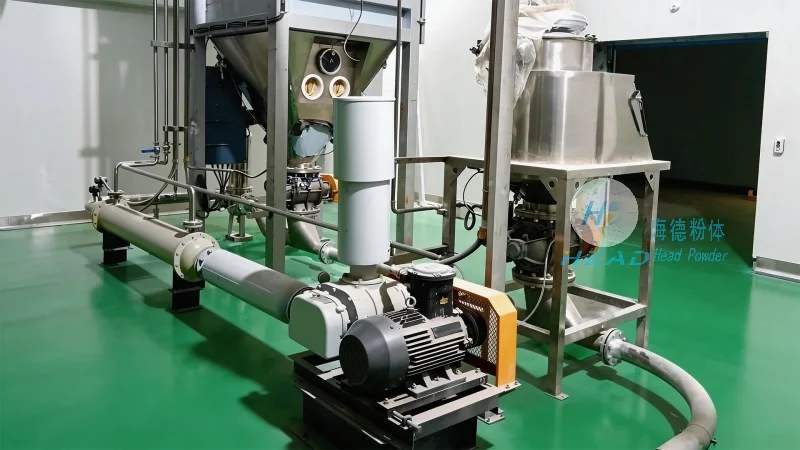
Company Profile and Expertise
HeadPowder Engineering Co., Ltd. is a reputable enterprise in the field of powder processing equipment. With years of experience in the industry, the company has developed a strong reputation for delivering high-quality, efficient, and reliable pneumatic conveying solutions. HeadPowder's team of engineers and technicians is dedicated to understanding the unique challenges of material handling, particularly for gypsum calcium, and designing systems that meet the specific needs of clients. The company's commitment to innovation and customer satisfaction has positioned it as a trusted partner in the powder processing sector.
Understanding Gypsum Calcium Pneumatic Conveying Systems
Gypsum calcium, also known as calcium sulfate dihydrate, is a common industrial material used in various applications, including construction, agriculture, and pharmaceuticals. Handling this material efficiently requires specialized equipment to ensure safety, minimize dust generation, and maintain material integrity. Pneumatic conveying systems offer an effective solution by using air to transport the material from one location to another, eliminating the need for mechanical components that can cause wear and tear or contamination.
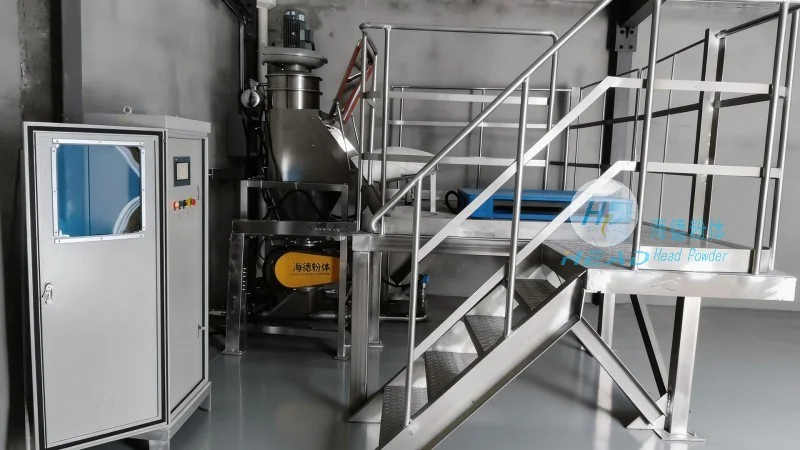
Key Structural Components of the Gypsum Calcium Pneumatic Conveying Line
The gypsum calcium pneumatic conveying line typically consists of several critical components that work in tandem to ensure smooth material transport. These components include:
- Material Hopper: The hopper serves as the storage container for the gypsum calcium material. It is designed with a sloped bottom to facilitate the material's flow into the conveying system. The hopper may also include a feeder mechanism, such as a rotary valve or a screw feeder, to control the material discharge rate.
- Pneumatic Conveying Pipe: The main pipeline through which the material is transported. The pipe is usually made of stainless steel or other corrosion-resistant materials to withstand the chemical properties of gypsum calcium and prevent material buildup or corrosion.
- Blowers or Fans: These are the power sources that generate the air flow necessary to move the material through the pipe. The selection of the appropriate blower or fan depends on factors such as the material's density, particle size, and the required conveying distance. High-pressure blowers are often used for long-distance or high-capacity applications.
- Control Valves and Regulators: These components are used to regulate the air pressure and flow rate within the system. They help maintain consistent material transport and prevent backflow or over-pressurization, ensuring the system operates safely and efficiently.
- Receiver or Discharge Hopper: The final container where the conveyed material is deposited. The receiver is designed to handle the material's characteristics, such as its tendency to settle or clump, and may include features like agitators or vibrators to maintain material flow.
Working Principles of the Gypsum Calcium Pneumatic Conveying Line
The operation of the gypsum calcium pneumatic conveying line follows a systematic process. Initially, the material is fed from the hopper into the conveying pipe. Simultaneously, the blower generates a high-pressure air stream that travels through the pipe. As the air flows, it picks up the gypsum calcium particles and carries them along the pipeline. The material and air mixture is then directed to the receiver, where the air is separated from the material, typically through a cyclone separator or a filter system. The separated air is then discharged back into the environment or recirculated, while the gypsum calcium material is collected in the receiver for further processing or use.
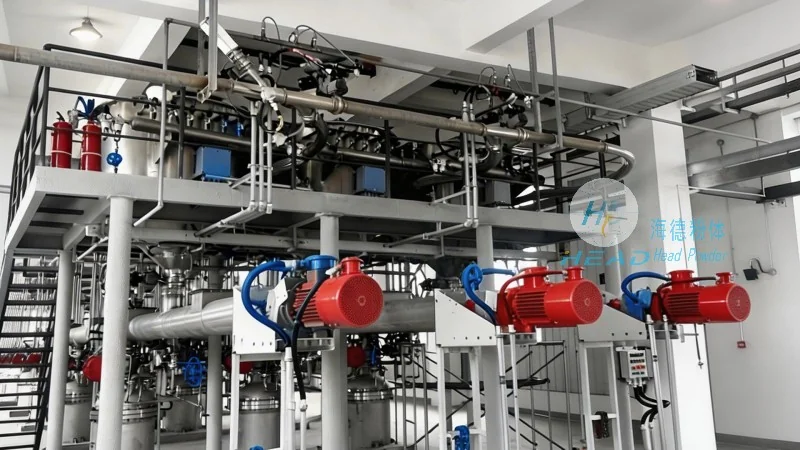
Advantages of Using Gypsum Calcium Pneumatic Conveying Systems
Implementing a pneumatic conveying system for gypsum calcium offers several advantages over traditional mechanical conveying methods. These benefits include:
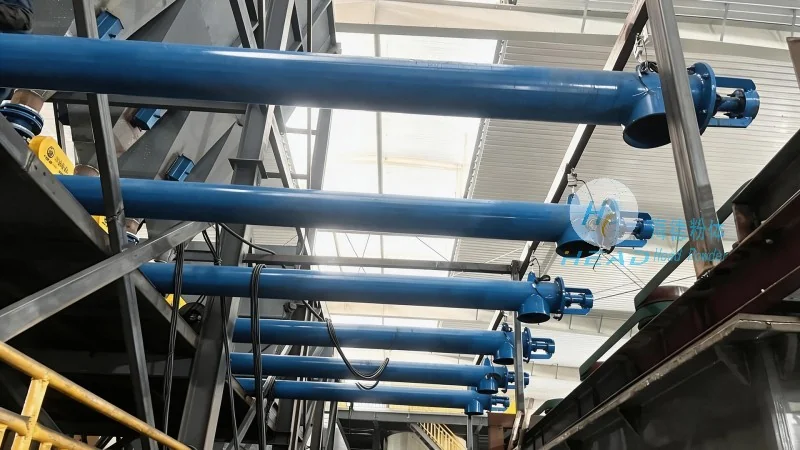
- Reduced Labor and Maintenance Costs: Pneumatic systems eliminate the need for manual handling and mechanical components like conveyors or elevators, reducing labor requirements and maintenance expenses.
- Improved Material Integrity: The enclosed system prevents dust exposure and contamination, ensuring the gypsum calcium remains in its original state, which is crucial for applications where purity is essential.
- Enhanced Safety: By eliminating open chutes and mechanical parts, the system minimizes the risk of accidents, such as material spills or equipment damage.
- Flexibility and Scalability: Pneumatic conveying systems can be easily adjusted to handle varying material volumes and can be scaled up or down to meet changing production needs.
- Energy Efficiency: Modern pneumatic systems are designed to be energy-efficient, with optimized air flow and pressure control that reduce energy consumption compared to older or less efficient systems.
Applications and Industries Served
Gypsum calcium pneumatic conveying lines are widely used in various industries due to their versatility and effectiveness. Some of the key applications include:
- Construction Industry: Used for transporting gypsum-based drywall, plaster, and other building materials to construction sites or storage facilities.
- Agricultural Sector: Employed in the handling of gypsum as a soil amendment, ensuring uniform distribution across agricultural fields.
- Pharmaceutical and Chemical Industries: Utilized for the transport of gypsum-based raw materials in pharmaceutical production or chemical processing plants.
- Food Processing: In some cases, gypsum is used as a food additive, and pneumatic conveying systems help maintain hygiene and prevent contamination during processing.
Conclusion
HeadPowder Engineering Co., Ltd. provides comprehensive solutions for gypsum calcium pneumatic conveying lines, combining advanced technology with expert engineering to meet the diverse needs of industries. By understanding the structural components and operational principles of these systems, users can make informed decisions about implementing efficient and reliable material handling solutions. The company's commitment to quality and customer satisfaction ensures that clients receive systems that are tailored to their specific requirements, enhancing productivity and operational efficiency.




