Headpowder, a leading provider in the field of industrial conveying solutions, specializes in the design and manufacturing of advanced pneumatic conveying systems tailored for the handling of dry yeast. This article delves into the fundamental principles behind these systems and highlights the distinctive characteristics of their operational environments.
Introduction to Dry Yeast Pneumatic Conveying Systems
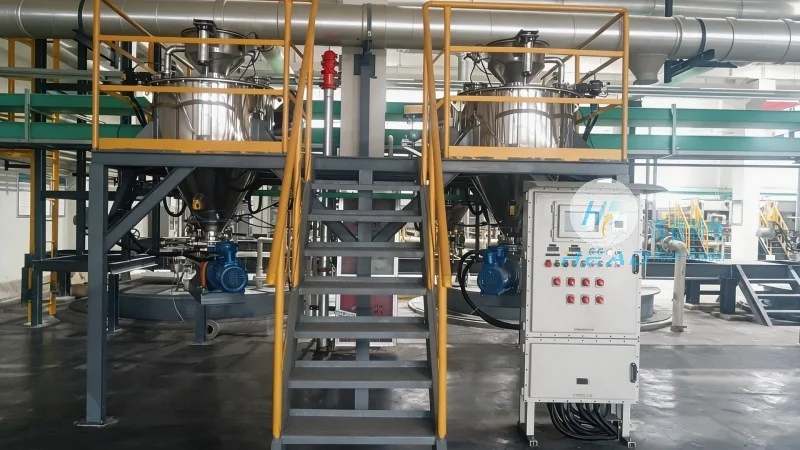
Dry yeast, widely used in the food and beverage industry as a leavening agent and in biotechnological processes, presents unique handling challenges due to its light weight, friability, and hygroscopic nature. Traditional bulk material handling methods often struggle to maintain the integrity and quality of yeast particles. Pneumatic conveying systems offer a solution by utilizing compressed air to transport dry yeast in a controlled and efficient manner. The core technology involves the creation of a low-pressure air stream within a closed pipeline system, which draws or pushes the dry yeast particles along the path of least resistance. This method not only ensures the safe and hygienic transfer of yeast but also minimizes product degradation and contamination risks.
Working Principles of Pneumatic Conveying Equipment
The operation of a dry yeast pneumatic conveying system typically involves several key components working in concert. At the heart of the system is the air compressor, which generates the necessary pressure to move the air through the pipeline. The system may employ either positive pressure or negative pressure (or a combination of both) depending on the specific application and distance requirements. The feed hopper is designed to hold the dry yeast and release it into the conveying line at a controlled rate, preventing clogging and ensuring a steady flow. The conveying line itself is usually made of stainless steel or other corrosion-resistant materials to maintain hygiene standards, as yeast is a sensitive product that requires a clean environment to preserve its viability.
Along the pipeline, various components such as in-line mixers, expansion chambers, and cyclone separators are integrated to optimize the conveying process. These components help to maintain the air-yeast mixture's stability, prevent particle separation, and separate the yeast from the air stream at the destination. The separation unit, often a cyclone or a bag filter, collects the dry yeast and returns it to the process or storage area, while the clean air is either vented or recirculated to reduce energy consumption. The entire system is designed to operate with minimal pressure differentials, typically ranging from low to moderate, to avoid damaging the delicate yeast cells and ensure efficient transport over short to medium distances.
Key Features and Advantages in Working Scenarios
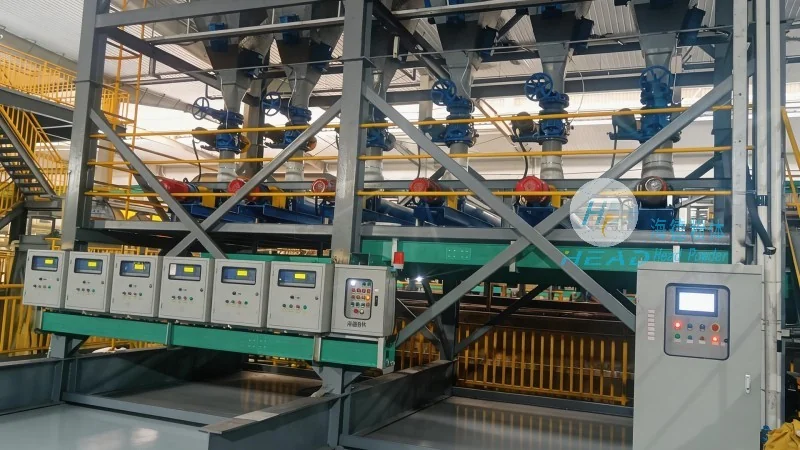
When applied in real-world industrial settings, dry yeast pneumatic conveying systems exhibit several advantages that make them ideal for specific working scenarios. One of the primary benefits is the ability to maintain the biological activity of the yeast. By operating at low velocities and using gentle air flow, the system minimizes mechanical stress on the yeast cells, preserving their viability for subsequent use in fermentation processes. This is crucial in applications where yeast quality directly impacts product outcomes, such as in bread-making or beer brewing.
Another significant advantage is the enhanced hygiene and sanitation. The enclosed pipeline design prevents cross-contamination with other materials or environmental pollutants, which is essential in food processing environments where regulatory compliance is mandatory. Stainless steel construction and easy-to-clean components further contribute to maintaining high standards of cleanliness, reducing the risk of microbial growth and product spoilage.
Efficiency and flexibility are also key characteristics. Pneumatic conveying systems can handle varying volumes of dry yeast, adapting to production fluctuations without the need for extensive manual intervention. The modular design allows for easy integration into existing production lines, enabling manufacturers to upgrade or expand their conveying capabilities as needed. Additionally, the system's ability to transport yeast over horizontal, vertical, or inclined distances makes it versatile for complex layouts in industrial facilities.
Application Scenarios and Operational Benefits
Dry yeast pneumatic conveying systems are commonly employed in several distinct operational scenarios within the food and biotechnology industries. In yeast production facilities, these systems are used to transfer freshly produced dry yeast from the drying and cooling stages to packaging or storage areas. The gentle handling ensures that the yeast retains its optimal moisture content and activity, which is critical for maintaining product quality and shelf life.
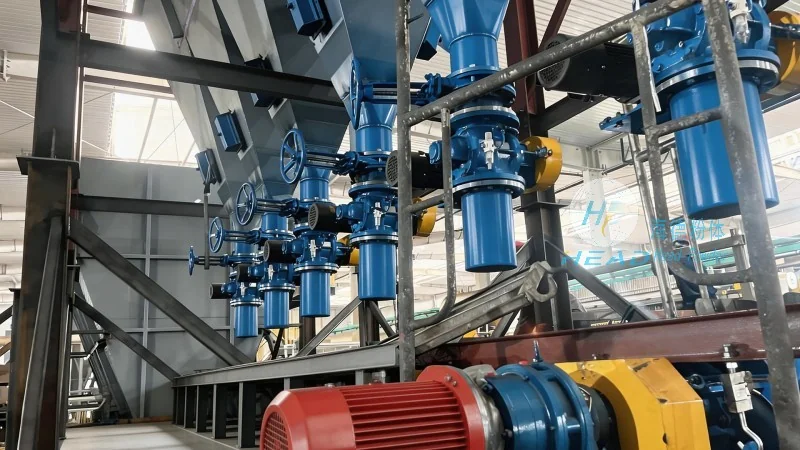
In fermentation plants, the system facilitates the transfer of yeast from storage silos to the fermentation tanks, ensuring a consistent and controlled feed rate. This is particularly important in large-scale brewing operations where precise yeast dosing is required to achieve the desired fermentation parameters. The ability to convey yeast directly into the fermentation vessel without intermediate handling steps reduces downtime and improves overall process efficiency.
Furthermore, in research and development laboratories, pneumatic conveying systems are used to transport small quantities of yeast samples for testing and analysis. The precision and cleanliness of the system allow for accurate measurement and handling of sensitive materials, supporting scientific research and product development efforts.
Overall, the combination of technical sophistication and practical advantages makes dry yeast pneumatic conveying systems a preferred choice for industries that demand high-quality, hygienic, and efficient handling of this vital ingredient. By leveraging the expertise of companies like Shandong HeadPowder Engineering Co., Ltd., manufacturers can implement tailored solutions that meet their specific operational needs and contribute to enhanced productivity and product quality.




