Monosodium glutamate (MSG) is a widely used flavor enhancer in the food industry, and the efficient handling of this product requires specialized equipment to ensure safety, hygiene, and operational efficiency. The pneumatic conveying system is a key solution for transporting MSG from storage to processing lines, offering advantages such as dust-free operation, reduced contamination risk, and the ability to handle fine powders like MSG effectively. This article provides an overview of the monosodium glutamate pneumatic conveying equipment, detailing its structural components and the working principles that enable reliable material transport.
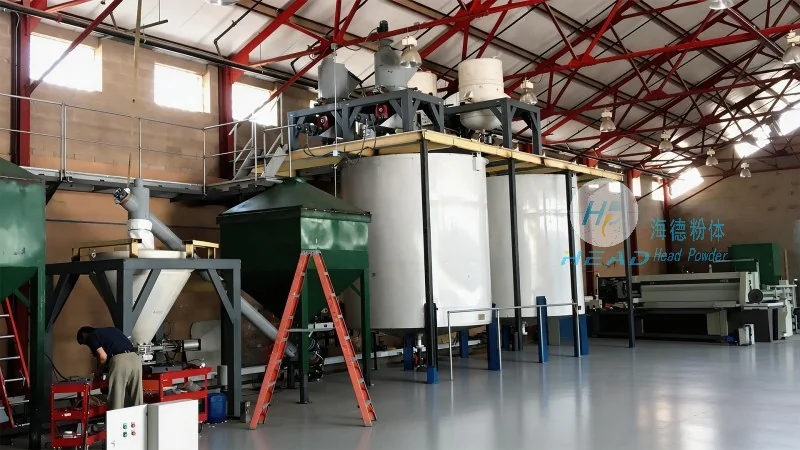
Key Components of Monosodium Glutamate Pneumatic Conveying Systems
The monosodium glutamate pneumatic conveying equipment typically consists of several essential components that work in tandem to facilitate the transport process. The primary components include a hopper or storage silo for holding the MSG, a feeder mechanism to control the flow of material, a conveying line (often equipped with a pipeline system), a venturi or air nozzle for creating the necessary airflow, and a receiver or discharge hopper for collecting the conveyed material. Each component plays a critical role in ensuring the system operates smoothly and efficiently.
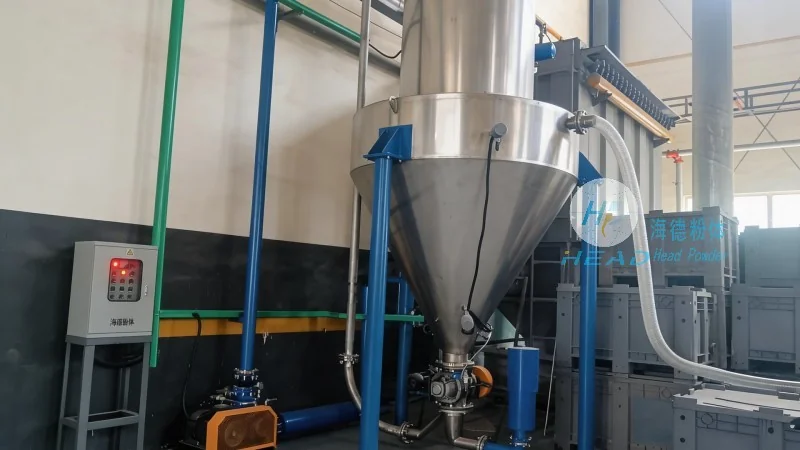
Working Principle of the Pneumatic Conveying Process
The operation of the monosodium glutamate pneumatic conveying system is based on the principle of using air to move the solid material. The process begins with the material being fed from the storage hopper into the conveying line. Simultaneously, a high-pressure air stream is introduced into the system, typically through a venturi or air nozzle. As the air flows through the conveying line, it creates a low-pressure zone that draws the MSG particles into the airflow. The combination of the air velocity and the particle size allows the material to be transported through the pipeline to the receiving hopper. This method ensures that the MSG is moved without direct contact with mechanical parts, minimizing the risk of contamination and product degradation.
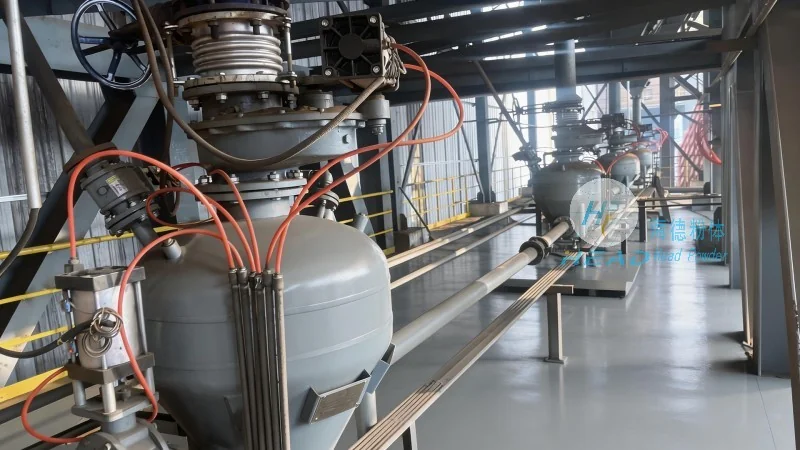
Advantages of Using Pneumatic Conveying for MSG Transport
Implementing a pneumatic conveying system for monosodium glutamate offers several significant advantages over traditional mechanical conveying methods. First, it provides a dust-free environment, which is crucial for maintaining product quality and compliance with food safety regulations. The enclosed system prevents the release of fine particles into the air, reducing the risk of inhalation by personnel and contamination of other areas. Second, the system is highly efficient in handling fine powders, as the air flow can effectively transport even the smallest MSG particles without clogging or blockages. Third, the equipment is relatively simple in design and easy to maintain, with fewer moving parts compared to mechanical conveyors, leading to lower operational costs and reduced downtime. Additionally, the pneumatic conveying system allows for flexible layout configurations, enabling the equipment to be integrated into existing production lines with minimal modifications.
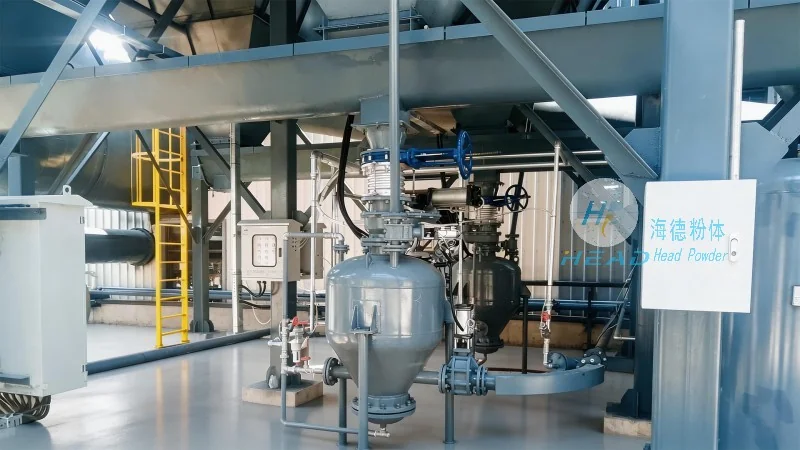
About Shandong HeadPowder Engineering Co., Ltd.
Shandong HeadPowder Engineering Co., Ltd., commonly known as HeadPowder, is a leading manufacturer and supplier of specialized engineering solutions for the food and chemical industries. With a strong focus on innovation and quality, HeadPowder has established itself as a trusted partner for companies seeking reliable equipment for material handling, including pneumatic conveying systems for monosodium glutamate. The company is headquartered in Shandong, China, and its products are designed to meet the stringent requirements of the food industry, ensuring compliance with international standards for hygiene, safety, and performance. HeadPowder's commitment to customer satisfaction and technical excellence has made it a preferred choice for businesses looking to enhance their production efficiency and product quality.




