Automatic feeding pneumatic conveying systems represent a sophisticated solution for material handling in various industrial applications. These systems are designed to efficiently transport bulk materials from one location to another using air as the primary conveying medium. The technology has evolved significantly over the years, offering enhanced control, reliability, and flexibility compared to traditional methods such as belt conveyors or bucket elevators. In this context, we explore the core components, operational principles, and key advantages of such systems, with a focus on the expertise of Shandong HeadPowder Engineering Co., Ltd., a leading provider in the field based in Shandong, China.
Key Components and Structural Design
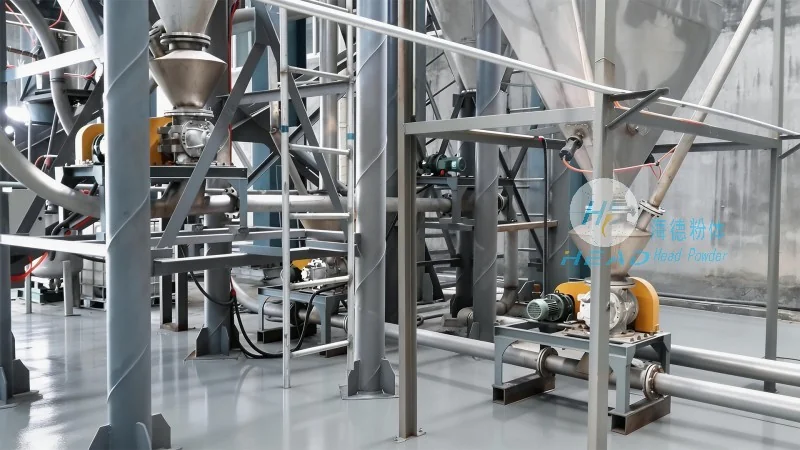
The structure of an automatic feeding pneumatic conveying system typically comprises several critical components that work in tandem to ensure smooth material flow. The main elements include a feeding hopper, a rotary valve or feeder, a conveying line (often equipped with pulse jets or venturi sections), a receiver or discharge hopper, and a dust collector or filter system. The feeding hopper is responsible for storing and conditioning the material, ensuring a consistent feed rate. The rotary valve or feeder controls the discharge of material into the conveying line, preventing backflow and maintaining a steady flow. The conveying line, usually made of stainless steel or other corrosion-resistant materials, transports the material through the system. Pulse jets or venturi sections are used to create the necessary air flow and pressure to move the material. The receiver or discharge hopper collects the material at the destination, while the dust collector ensures that the air is filtered and the environment remains clean. Shandong HeadPowder Engineering Co., Ltd. specializes in designing and manufacturing these components to meet the specific requirements of different industries, ensuring durability, efficiency, and compliance with safety standards.
Working Principles and Operational Mechanisms
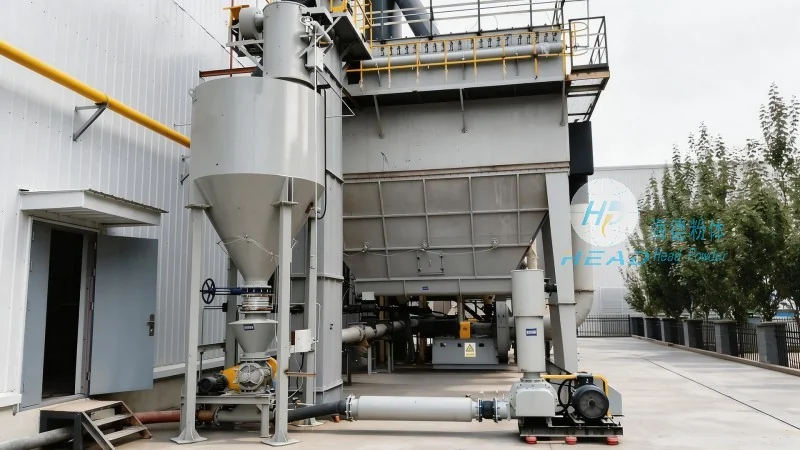
The operational principle of an automatic feeding pneumatic conveying system is based on the creation of a pressure differential between the conveying line and the ambient environment. The system uses a blower or compressor to generate the required air pressure, which is then directed into the conveying line. As the air flows through the line, it picks up the material from the feeding hopper and transports it to the receiver. The material is suspended in the air stream and moves along the line due to the pressure difference and the velocity of the air. The rotary valve or feeder controls the rate at which material is introduced into the line, ensuring that the air flow is sufficient to carry the material without causing blockages or excessive pressure drops. The pulse jets or venturi sections help to maintain the air flow and prevent the material from settling in the line. The dust collector or filter system removes any fine particles from the air before it is released back into the environment. The entire system operates automatically, with minimal human intervention, thanks to the integration of sensors and control systems that monitor the flow rate, pressure, and other parameters. Shandong HeadPowder Engineering Co., Ltd. employs advanced control technologies to optimize the performance of these systems, ensuring consistent operation and minimal downtime.
Advantages and Applications
Automatic feeding pneumatic conveying systems offer several advantages over traditional material handling methods. These include the ability to transport materials over long distances, the flexibility to handle different types of materials (from powders to granules), and the ability to operate in a closed system, reducing dust emissions and improving safety. The systems are also more energy-efficient compared to other methods, as they use less power to transport materials. Additionally, the automatic feeding feature ensures consistent material flow, which is crucial for processes that require precise control over the feed rate. The applications of these systems are diverse, ranging from food and pharmaceutical industries to chemical and mining sectors. In the food industry, for example, pneumatic conveying systems are used to transport ingredients such as flour, sugar, and spices, ensuring that the materials are handled hygienically and without contamination. In the chemical industry, these systems are used to transport powders and granules, such as fertilizers and pigments, while maintaining the integrity of the materials. The mining industry also benefits from these systems, as they can transport ore and other minerals from the mine to processing facilities. Shandong HeadPowder Engineering Co., Ltd. has successfully implemented these systems in various industries, providing customized solutions that meet the specific needs of each client.
Customization and After-Sales Support
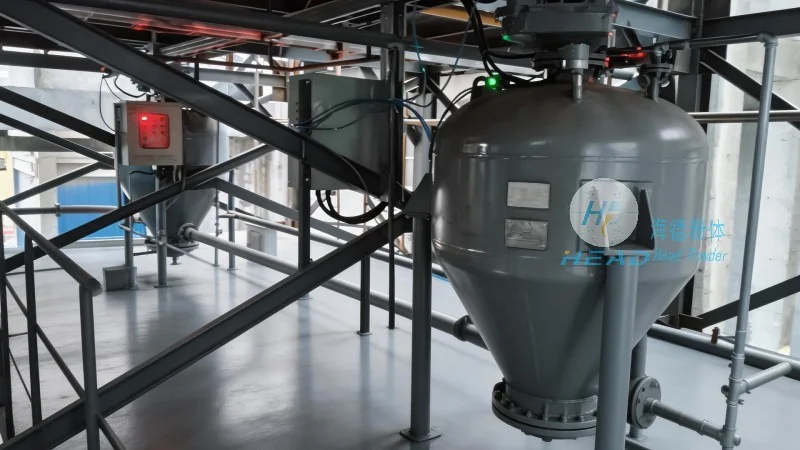
Shandong HeadPowder Engineering Co., Ltd. understands that each industrial application has unique requirements, and therefore, offers customized solutions for automatic feeding pneumatic conveying systems. The company works closely with clients to understand their specific needs, such as the type of material to be transported, the distance to be covered, and the required flow rate. Based on this information, the company designs and manufactures a system that is tailored to meet these requirements. The company also provides comprehensive after-sales support, including installation, commissioning, and maintenance services. The maintenance team is trained to handle any issues that may arise, ensuring that the system operates at optimal performance. Additionally, the company offers spare parts and replacement components, ensuring that clients can maintain their systems without any interruption. The company's commitment to quality and customer satisfaction has made it a leading provider in the industry, with a reputation for delivering reliable and efficient systems.




