HeadPowder, a leading provider in the field of material handling solutions, specializes in the design, manufacturing, and installation of advanced vacuum pneumatic conveying systems. Based in Shandong, China, the company has established itself as a trusted partner for industries seeking efficient and reliable material transport solutions. This article provides an overview of vacuum material handling pneumatic conveying systems, detailing their structural components and operational principles.
Overview of Vacuum Pneumatic Conveying Systems
Vacuum material handling pneumatic conveying systems are sophisticated equipment used to transport bulk materials over short to medium distances. Unlike positive pressure systems that use compressed air to push material, vacuum systems operate by creating a negative pressure environment within the conveying line. This approach allows for the gentle and efficient movement of a wide range of materials, including powders, granules, and fine particles, from a source to a destination. The primary advantage of vacuum systems lies in their ability to handle materials that are sensitive to air exposure or require a controlled, low-pressure environment during transport.
Structural Components and Operational Principles
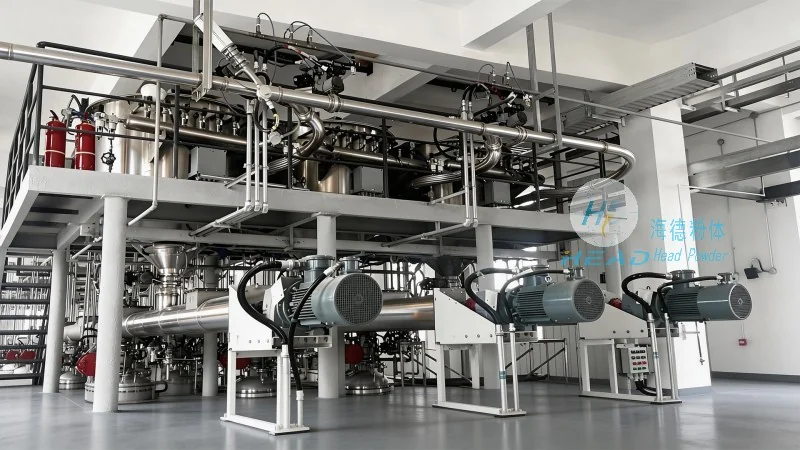
The vacuum pneumatic conveying system consists of several key components that work in tandem to achieve efficient material transport. The core components include a vacuum pump, a material hopper or feed station, conveying pipelines, control valves, and a receiver or discharge unit. The vacuum pump is responsible for creating the negative pressure that draws material from the feed station into the pipeline. As material is drawn into the system, it is carried along by the air flow, which is typically filtered and conditioned to prevent contamination and ensure system longevity.
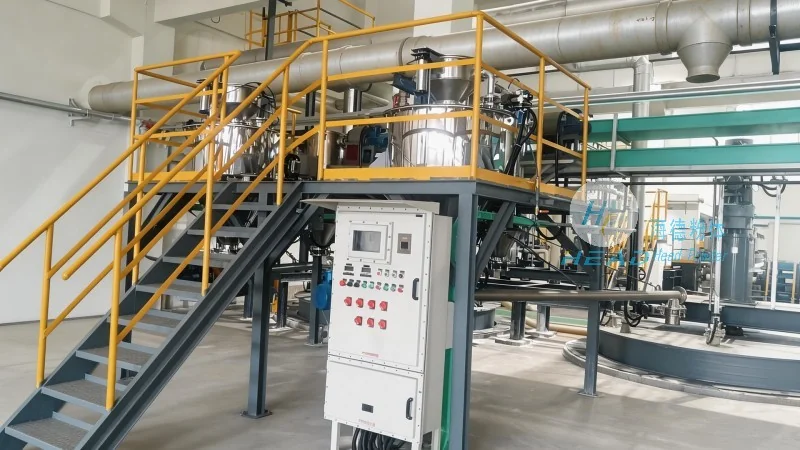
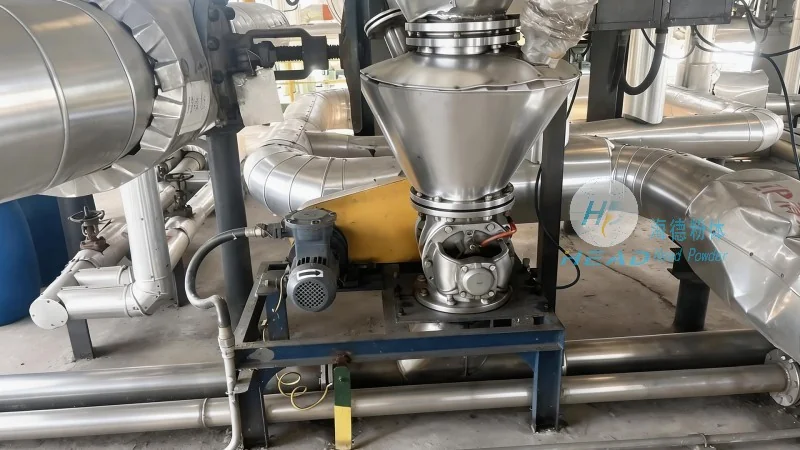
The material hopper or feed station is where the bulk material is initially stored. It is equipped with a feeding mechanism, such as a rotary valve or a screw feeder, which regulates the flow of material into the conveying line. The conveying pipelines are designed to withstand the vacuum pressure and are often made of materials like stainless steel or PVC to prevent corrosion and material buildup. Control valves are strategically placed along the pipeline to regulate the flow of air and material, allowing for precise control over the conveying process. The receiver or discharge unit is where the material is deposited at the end of the conveying line, and it may include features like a filter to separate any entrained air from the material.
Working Process of the System
The operational process of a vacuum pneumatic conveying system begins with the activation of the vacuum pump, which creates a low-pressure environment within the conveying line. Simultaneously, the feeding mechanism in the material hopper starts to introduce material into the system. As the material enters the pipeline, it is drawn along by the air flow generated by the vacuum pump. The air and material mixture travels through the pipelines, passing through any necessary control valves and filters. Upon reaching the receiver or discharge unit, the material is deposited, and the air is typically vented or recirculated, depending on the system design. The entire process is controlled by a central system that monitors pressure, flow, and other parameters to ensure optimal performance and prevent system failures.
Advantages of Vacuum Pneumatic Conveying Systems
Vacuum material handling pneumatic conveying systems offer several advantages over other material transport methods. One of the key benefits is the ability to handle materials that are sensitive to air exposure, such as pharmaceuticals, food products, or chemicals that degrade in the presence of oxygen. The low-pressure environment in vacuum systems minimizes material degradation and ensures product quality. Additionally, vacuum systems are highly flexible and can be easily adapted to different material types and conveying distances. They are also relatively quiet and do not generate the same level of noise as positive pressure systems, making them suitable for applications in sensitive environments. Furthermore, the gentle handling of materials reduces product breakage and maintains particle size distribution, which is crucial for many industrial processes.
Applications and Industries
Vacuum pneumatic conveying systems are widely used across various industries due to their versatility and efficiency. Common applications include the transport of powders and granules in pharmaceutical manufacturing, food processing, chemical production, and mining. In the pharmaceutical industry, vacuum systems are used to transport active ingredients and finished products, ensuring a sterile and controlled environment. In food processing, they are employed to move ingredients like flour, sugar, and spices, maintaining product integrity and preventing contamination. The mining and mineral processing industries utilize vacuum systems to transport raw materials and waste products, improving operational efficiency and reducing labor costs. Overall, the adaptability of vacuum pneumatic conveying systems makes them a preferred choice for industries requiring reliable and gentle material handling solutions.
Conclusion
HeadPowder Engineering Co., Ltd., with its headquarters in Shandong, China, provides comprehensive solutions for vacuum material handling pneumatic conveying systems. By understanding the structural components and operational principles of these systems, industries can leverage their advantages to enhance productivity, maintain product quality, and reduce operational costs. The company's expertise in designing and implementing customized vacuum conveying systems ensures that clients receive tailored solutions that meet their specific material handling needs. As a trusted partner in the material handling industry, HeadPowder continues to innovate and provide reliable solutions for the efficient transport of bulk materials.




