HeadPowder, as a professional manufacturer based in Shandong, China, specializes in the design and development of advanced pneumatic conveying systems for various industrial applications. This article provides an overview of the sponge sand aerodynamic transport technology, focusing on its structural principles and operational mechanisms.
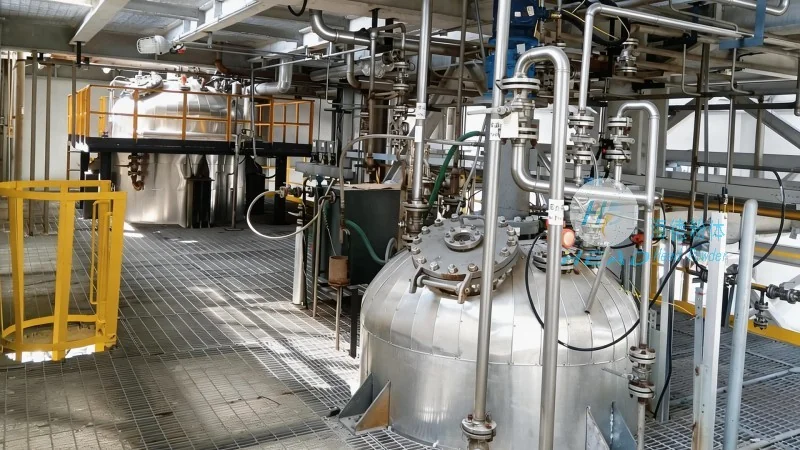
Understanding Sponge Sand Aerodynamic Transport
Sponge sand, a type of lightweight, porous material often used in construction and industrial processes, requires efficient and reliable transport methods to ensure smooth workflow. Aerodynamic transport, or pneumatic conveying, offers a solution by utilizing air pressure to move the material through a system of pipes and components. The core of this technology lies in the seamless integration of several key structural elements that work in harmony to achieve effective material handling.
Key Structural Components of the Aerodynamic Transport System
The aerodynamic transport system for sponge sand typically consists of several essential components, each playing a critical role in the overall operation. The primary components include the material feed hopper, the air supply system (such as a blower or compressor), the conveying pipeline, and the discharge device. The feed hopper is designed to hold the sponge sand and control the flow rate into the system, ensuring a consistent and controlled introduction of the material. The air supply system generates the necessary pressure and airflow to move the sand through the pipeline. The conveying pipeline, often made of durable materials like stainless steel or plastic, is designed to withstand the pressure and friction from the moving material. The discharge device, located at the end of the pipeline, regulates the release of the sponge sand into the target container or processing area.
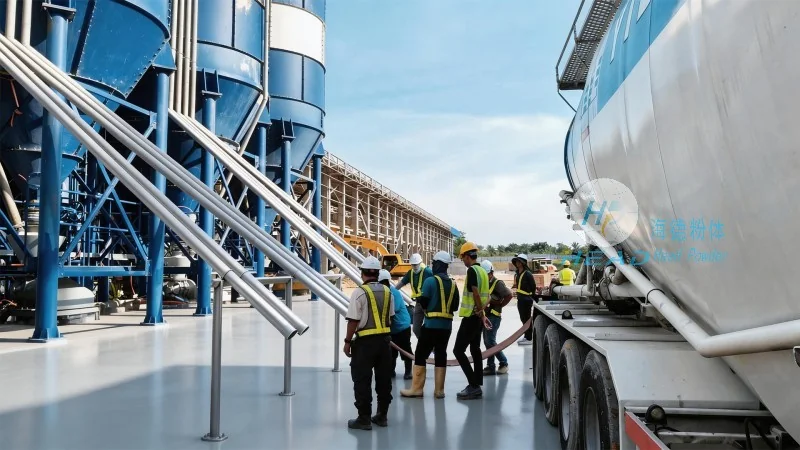
Working Principle of the Aerodynamic Transport Process
The operation of the aerodynamic transport system for sponge sand involves a series of steps that ensure efficient material movement. Initially, the sponge sand is fed into the hopper from a storage bin or a production line. The air supply system then activates, creating a flow of air through the pipeline. As the air moves through the pipeline, it picks up the sponge sand particles, forming a mixture known as a "slurry" or "conveying stream." The air pressure and velocity are carefully controlled to maintain the suspension of the sand particles, preventing them from settling or clogging the pipeline. The conveying stream travels through the pipeline to the discharge point, where the air and sand are separated. The air is typically vented to the atmosphere, while the sponge sand is collected in the discharge container. This process allows for continuous and automated transport of the material, reducing the need for manual handling and improving overall operational efficiency.
Advantages of Sponge Sand Aerodynamic Transport
Implementing aerodynamic transport for sponge sand offers several advantages over traditional methods such as manual handling or mechanical conveyors. One of the key benefits is the ability to handle the material in a dust-free environment, which is crucial for maintaining workplace safety and compliance with environmental regulations. The system also provides a high degree of flexibility, as the pipeline can be configured in various configurations to suit different plant layouts and operational requirements. Additionally, the continuous operation of the system reduces downtime and increases productivity, leading to cost savings over time. The low maintenance requirements of the system further contribute to its economic viability, as fewer components are exposed to wear and tear compared to mechanical systems.
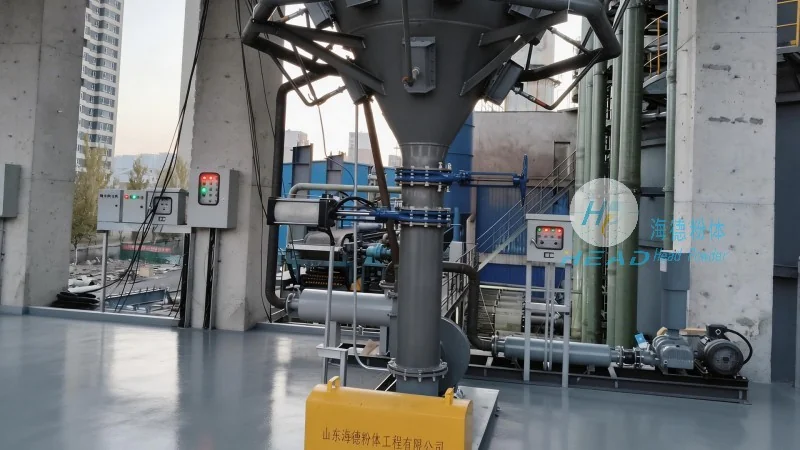
Applications and Industrial Use Cases
Sponge sand aerodynamic transport systems are widely used in various industries where the handling of lightweight, porous materials is required. In the construction industry, these systems are used to transport sand for concrete mixing and other building applications. In the manufacturing sector, they are employed in the production of lightweight materials, such as insulation products or composite materials. The automotive industry also utilizes these systems for the transport of sand in the manufacturing of parts and components. The versatility of the aerodynamic transport system makes it suitable for a wide range of applications, from small-scale operations to large industrial plants.
Conclusion and Company Overview
HeadPowder Engineering Co., Ltd., based in Shandong, China, is a leading provider of advanced pneumatic conveying solutions for industries dealing with sponge sand and other lightweight materials. By leveraging the structural principles and operational mechanisms discussed in this article, the company offers customized solutions that enhance operational efficiency, improve safety, and reduce costs. With a commitment to quality and innovation, HeadPowder continues to develop and refine its aerodynamic transport systems to meet the evolving needs of the industrial sector. For businesses seeking reliable and efficient material handling solutions, HeadPowder's expertise in sponge sand aerodynamic transport provides a robust and effective option.




