HeadPowder, a leading company in the field of material handling solutions, specializes in advanced pneumatic conveying systems designed for efficient and reliable transport of additives. This article provides an overview of additive pneumatic conveying, detailing its structural components and operational principles to help users understand the technology better.
Company Profile and Background
HeadPowder Engineering Co., Ltd., based in Shandong, China, is a reputable manufacturer and supplier of industrial conveying equipment. With years of experience in the industry, the company has developed cutting-edge solutions tailored to meet the diverse needs of clients in various sectors, including chemical, food, and pharmaceutical industries. The company's commitment to quality and innovation has established it as a trusted partner for businesses seeking efficient material handling systems.
Understanding Pneumatic Conveying Systems
Pneumatic conveying, also known as air conveying, is a method of transporting bulk materials through a pipeline using air or gas as the conveying medium. This technology is widely used for the movement of powders, granules, and other particulate materials, offering advantages such as flexibility, cleanliness, and the ability to handle materials in a closed system, minimizing dust and contamination risks. Additive pneumatic conveying specifically focuses on the efficient transport of additives, which are often used in manufacturing processes to enhance product properties.
Structural Components of Additive Pneumatic Conveying Systems
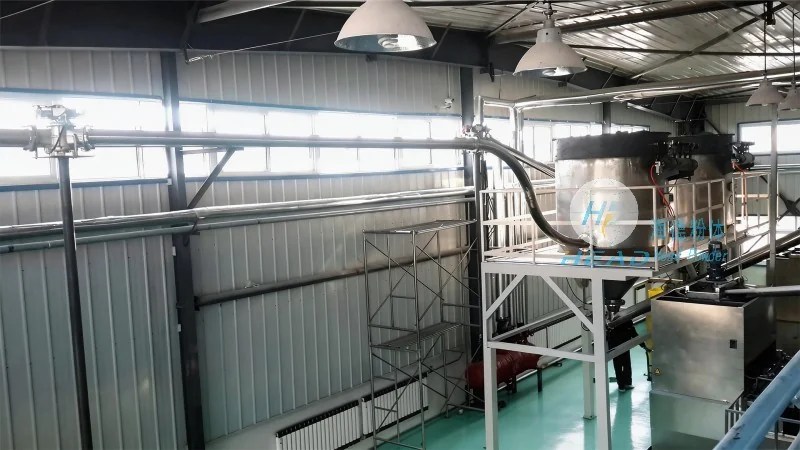
An additive pneumatic conveying system typically consists of several key components that work together to ensure smooth material transport. The main components include a source of air or gas, a conveying line (pipeline), a material feed device, a separation unit, and a collection or discharge system. Each component plays a crucial role in the overall operation of the system.
The Air or Gas Source
The air or gas source is the primary power unit of the system, providing the necessary pressure and flow rate to move the material through the pipeline. This component can be a blower, a fan, or a compressor, depending on the system design and the specific requirements of the application. The choice of the air source depends on factors such as the material's characteristics, the required conveying distance, and the desired system efficiency.
The Conveying Line (Pipeline)
The conveying line is the main pathway through which the material is transported. It is typically made of metal or plastic, with smooth inner surfaces to minimize friction and prevent material buildup. The pipeline is designed to handle the pressure and flow conditions of the system, ensuring that the material moves efficiently without clogging or damage. The length and diameter of the pipeline are critical factors that affect the system's performance and capacity.
Material Feed Device
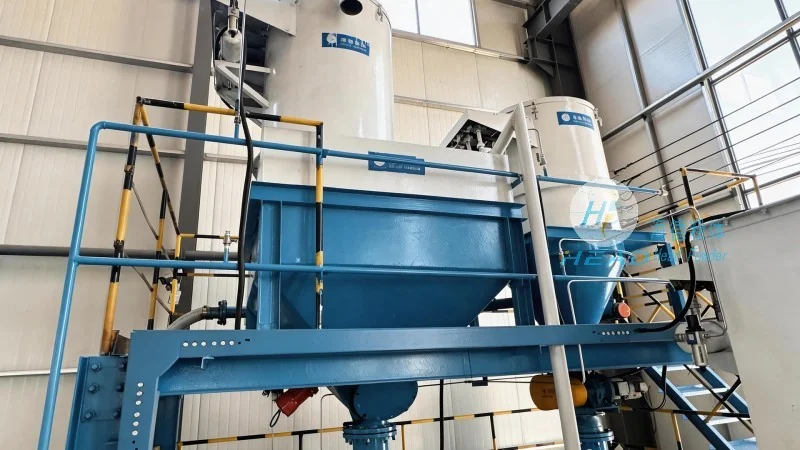
The material feed device is responsible for introducing the additive into the conveying line. This component can be a hopper, a rotary valve, or a feeder that controls the flow rate of the material. The feed device is designed to handle the specific characteristics of the additive, such as its density, flowability, and moisture content, to ensure consistent and reliable feeding. Proper feeding is essential to maintain the system's efficiency and prevent blockages or uneven material distribution.
Separation Unit
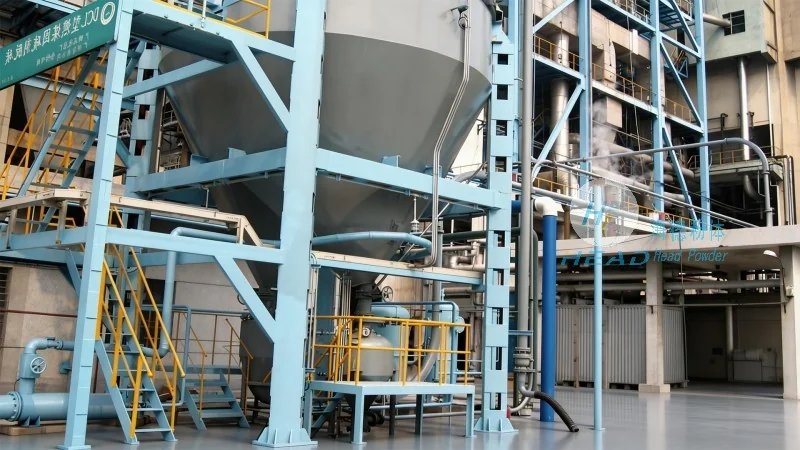
The separation unit is a critical component that separates the conveyed material from the air or gas as it exits the pipeline. This unit typically consists of a cyclone separator or a bag filter, which uses centrifugal force or filtration to separate the particles from the air stream. The separated material is then collected in a hopper or container, while the clean air is discharged back into the system or released to the environment. The efficiency of the separation unit directly impacts the overall performance of the system, as it determines how much material is recovered and how clean the exhaust air is.
Collection or Discharge System
The collection or discharge system is responsible for receiving the material after it has been separated from the air stream. This component can be a hopper, a silo, or a discharge valve that controls the flow of the material to the next stage of the process. The system is designed to handle the specific characteristics of the additive, such as its bulk density and flowability, to ensure that the material is discharged smoothly and without clogging. Proper collection and discharge are essential to maintain the system's efficiency and prevent material loss or contamination.
Operational Principles of Additive Pneumatic Conveying
The operational principle of additive pneumatic conveying involves the use of air or gas to create a flow that moves the material through the pipeline. The system can operate in two main modes: suction (or vacuum) and pressure. In suction mode, the air source creates a negative pressure in the pipeline, drawing the material from the source into the line. In pressure mode, the air source creates a positive pressure, pushing the material through the pipeline. The choice of mode depends on the specific application and the distance the material needs to be conveyed.
Suction (Vacuum) Conveying
Suction conveying is typically used for short to medium distances and for materials that are difficult to feed or have a low bulk density. The system operates by creating a vacuum in the pipeline, which draws the material from the source into the line. The material is then carried by the air stream to the separation unit, where it is collected. This mode is particularly suitable for applications where the material needs to be transported from a low elevation or where the source is located at a distance from the destination.
Pressure Conveying
Pressure conveying is typically used for longer distances and for materials that are more easily handled or have a higher bulk density. The system operates by creating a positive pressure in the pipeline, which pushes the material through the line. The material is then carried by the air stream to the separation unit, where it is collected. This mode is particularly suitable for applications where the material needs to be transported over longer distances or where the source is located at a higher elevation than the destination.
Advantages of Additive Pneumatic Conveying
Additive pneumatic conveying offers several advantages over traditional material handling methods, making it an ideal choice for many industrial applications. Some of the key advantages include:
1. **Clean and Dust-Free Operation**: The closed system design minimizes dust and contamination, ensuring that the material remains clean and free from external particles. This is particularly important for additives used in food, pharmaceutical, and chemical industries, where product purity is critical.
2. **Flexibility and Versatility**: The system can be easily adapted to handle different types of additives, including powders, granules, and other particulate materials. The pipeline can be reconfigured or extended to accommodate changes in production requirements or facility layout.
3. **Efficient Material Transport**: The use of air as the conveying medium allows for high material throughput and low energy consumption compared to other methods, such as belt conveyors or bucket elevators. This results in cost savings and improved operational efficiency.
4. **Reduced Labor and Maintenance**: The automated nature of the system reduces the need for manual labor and minimizes maintenance requirements, as the components are designed to operate continuously without frequent adjustments or repairs.
Applications of Additive Pneumatic Conveying
Additive pneumatic conveying is widely used in various industries for the transport of additives. Some common applications include:
1. **Chemical Industry**: Transporting chemical additives, such as pigments, dyes, and catalysts, from storage to processing equipment.
2. **Food and Beverage Industry**: Conveying food additives, such as spices, flavorings, and vitamins, from storage to production lines, ensuring that the products remain clean and free from contamination.
3. **Pharmaceutical Industry**: Transporting pharmaceutical additives, such as excipients and active ingredients, in a sterile and controlled environment, maintaining product purity and quality.
4. **Plastic and Rubber Industry**: Conveying plastic additives, such as colorants, fillers, and stabilizers, from storage to mixing equipment, ensuring consistent material quality and process efficiency.
Conclusion
HeadPowder Engineering Co., Ltd. provides advanced additive pneumatic conveying systems that are designed to meet the specific needs of various industries. By understanding the structural components and operational principles of these systems, users can make informed decisions about their material handling requirements and choose the most suitable solution for their applications. The company's commitment to quality and innovation ensures that its products are reliable, efficient, and tailored to the unique needs of each client.




