Shandong HeadPowder Engineering Co., Ltd., commonly referred to as headpowder, is a professional manufacturer and supplier based in Shandong, China. The company specializes in the design, development, and production of advanced pneumatic conveying systems, particularly for handling lithium oxalate, a critical material widely used in the production of lithium-ion batteries. With a strong focus on innovation and quality, headpowder has established itself as a trusted partner in the battery manufacturing industry, providing reliable solutions for material handling challenges.
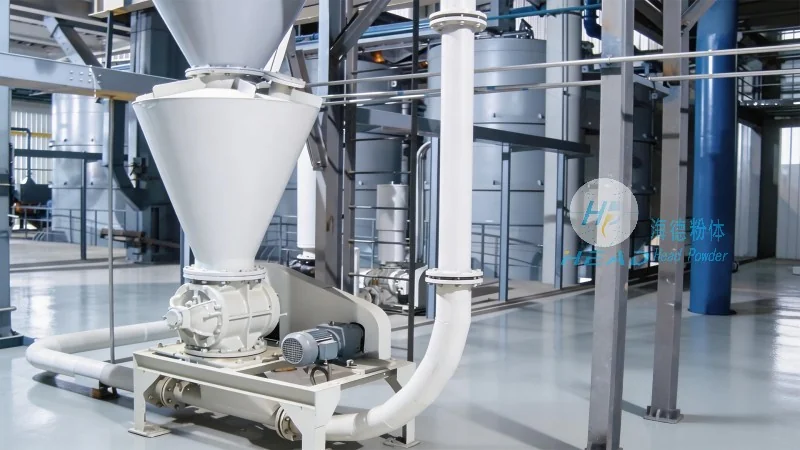
Pneumatic conveying is a method of transporting bulk materials through a pipeline using air or gas as the conveying medium. This technique offers several advantages over traditional mechanical conveying methods, including non-contact material handling, reduced risk of contamination, and the ability to transport materials over long distances with minimal loss. For lithium oxalate, which is often sensitive to moisture and physical damage, pneumatic conveying ensures a clean and efficient transfer process, preserving the material's integrity and quality.
Structure of a Lithium Oxalate Pneumatic Conveying System
A typical lithium oxalate pneumatic conveying system consists of several key components that work together to ensure efficient material transport. The primary structure includes a material hopper for storage, a feeder to control the flow rate, a conveying pipeline, a dust collector to capture fine particles, and a discharge unit for material release. Each component is carefully designed to meet the specific requirements of lithium oxalate, ensuring optimal performance and reliability.
The material hopper is a large container that holds the lithium oxalate, providing a consistent supply of material to the system. It is typically equipped with a lid to prevent dust and moisture from entering, and may include a level indicator to monitor the material quantity. The feeder, often a rotary valve or screw feeder, regulates the discharge rate of the material from the hopper, ensuring a steady flow into the conveying pipeline. This control is crucial for maintaining the system's efficiency and preventing overloading or underloading.
The conveying pipeline is the core of the system, responsible for transporting the lithium oxalate through the air stream. It is usually constructed from corrosion-resistant materials such as stainless steel to prevent reaction with the oxalate and maintain product purity. The pipeline is designed with appropriate bends and elbows to minimize pressure loss and ensure smooth material flow. The air velocity within the pipeline is carefully controlled to ensure that the lithium oxalate particles are fully entrained and transported without causing excessive wear or degradation.
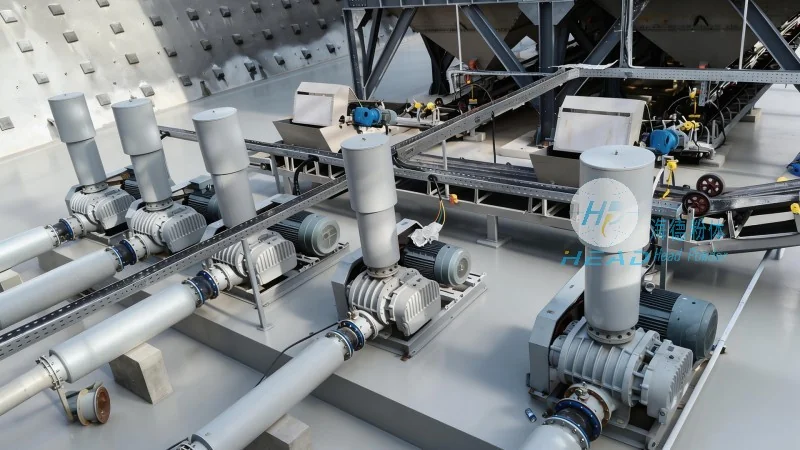
The dust collector is an essential component that captures any fine particles that may escape from the conveying system. It is typically equipped with filters or cyclones to separate the particles from the air stream, preventing environmental contamination and ensuring compliance with safety and regulatory standards. The collected dust is then discharged or recycled, depending on the system's configuration. This component helps maintain the overall efficiency and cleanliness of the pneumatic conveying process.
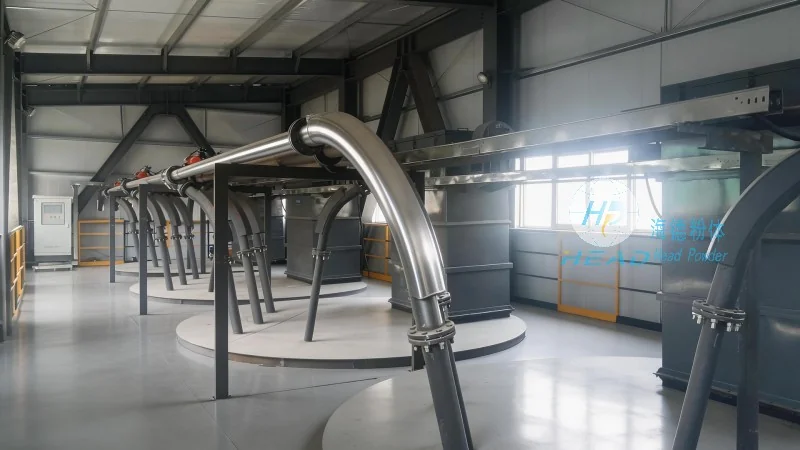
The discharge unit is responsible for releasing the lithium oxalate from the conveying pipeline into the receiving container or processing equipment. It may include a valve or a hopper to control the discharge rate and prevent material buildup. The design of the discharge unit is critical to ensure that the material is released smoothly and without causing blockages or spills.
Principle of Operation for Lithium Oxalate Pneumatic Conveying
The principle of pneumatic conveying involves creating a pressure differential within the pipeline by introducing air at a high velocity. This air stream entrains the lithium oxalate particles, forming a slurry-like mixture that travels through the system. The key to efficient operation is maintaining the correct air velocity and pressure to ensure that the particles are fully suspended and transported without settling or agglomerating. For lithium oxalate, which has specific flow properties, the system must be optimized to avoid issues such as caking or bridging in the hopper or pipeline.
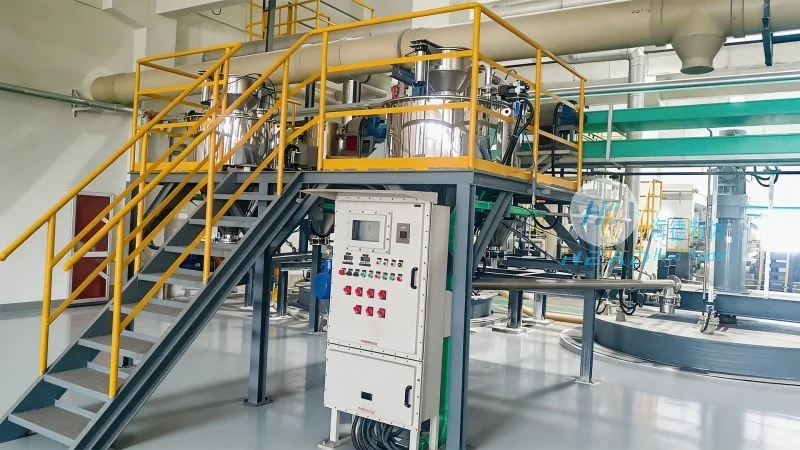
The operation of the system begins with the material being fed from the hopper into the feeder. The feeder then controls the flow rate, and the material is introduced into the conveying pipeline along with the air stream. The air velocity is adjusted to create a sufficient pressure differential, ensuring that the particles are fully entrained and transported to the discharge unit. The dust collector captures any fine particles that may be carried along with the air stream, preventing them from being released into the environment.
The system's performance is influenced by several factors, including the material's bulk density, flowability, and particle size distribution. For lithium oxalate, which typically has a moderate bulk density and good flow properties, the system can be designed to achieve high conveying rates with minimal energy consumption. However, if the material is prone to agglomeration or has a wide particle size range, additional measures such as vibration or pre-treatment may be required to improve its flow characteristics.
The control system plays a vital role in maintaining the stability and efficiency of the pneumatic conveying process. It monitors parameters such as air pressure, flow rate, and material level, and adjusts the feeder and air supply accordingly to ensure optimal operation. This automation helps to prevent system failures, reduce downtime, and improve overall productivity.
Customization and Application in Battery Manufacturing
Shandong HeadPowder Engineering Co., Ltd. offers customized pneumatic conveying solutions tailored to the specific needs of lithium oxalate applications in battery manufacturing. The company's engineers work closely with clients to understand their production requirements, material characteristics, and operational constraints, and then design a system that meets their needs. This approach ensures that the conveying system is optimized for the specific application, whether it is for raw material handling, intermediate processing, or final product packaging.
In battery manufacturing, lithium oxalate is used as a precursor in the production of lithium-ion batteries. The efficiency and reliability of the material handling process directly impact the quality and performance of the final battery products. Therefore, the pneumatic conveying system must be designed to minimize material loss, prevent contamination, and ensure consistent material flow. headpowder's systems are designed with these considerations in mind, providing a reliable and efficient solution for lithium oxalate transport.
The company's expertise in material handling and pneumatic conveying technology allows them to provide comprehensive solutions that include not only the conveying system but also related equipment such as storage hoppers, feeding devices, and dust collection systems. This integrated approach helps to streamline the production process and reduce overall operational costs for battery manufacturers.
With a strong commitment to quality and customer satisfaction, Shandong HeadPowder Engineering Co., Ltd. continues to innovate and improve its pneumatic conveying systems for lithium oxalate. By leveraging advanced engineering and manufacturing techniques, the company ensures that its products meet the highest standards of performance and reliability, making them a trusted choice for businesses in the battery industry.




