HeadPowder, a leading manufacturer based in Shandong, China, specializes in the design and production of advanced pneumatic conveying equipment. This article provides a detailed overview of the operation process and working principle of intermittent bulk material pneumatic conveying systems, which are widely used in various industrial applications for efficient material handling.
Understanding Intermittent Pneumatic Conveying Systems
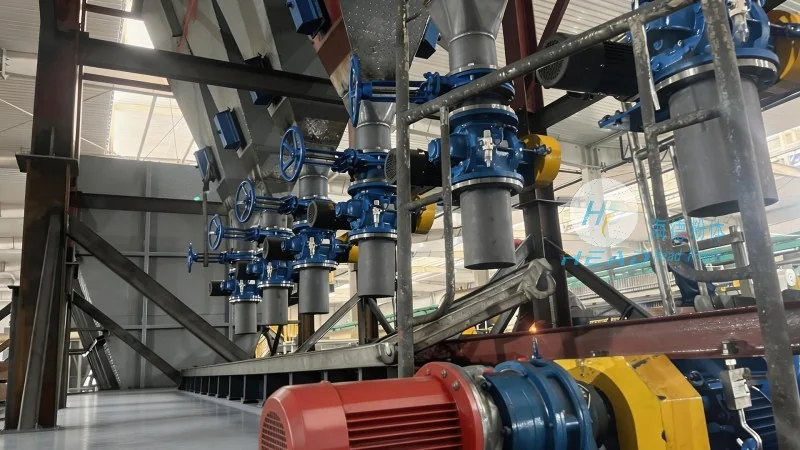
Intermittent pneumatic conveying systems are engineered to transport bulk materials in a controlled manner, utilizing air pressure to move the material from the source to the destination. Unlike continuous systems, these conveyors operate in cycles, allowing for precise control over the material flow rate and system pressure. The design of these systems is tailored to handle a wide range of materials, including powders, granules, and small particles, making them versatile for different industrial needs.
Key Components of the System
The core components of an intermittent pneumatic conveying system include the material hopper, the air compressor or blower, the conveying line, and the discharge device. The material hopper serves as the storage and feeding unit, where the bulk material is loaded and then released into the conveying line under controlled conditions. The air compressor or blower generates the necessary air pressure to create a flow of air through the system, which then propels the material particles forward. The conveying line, typically made of metal or flexible tubing, transports the material and air mixture from the hopper to the discharge point. The discharge device, such as a rotary valve or a pressure vessel, regulates the release of the material at the destination, ensuring a smooth and controlled output.
Operation Process: Step-by-Step Explanation
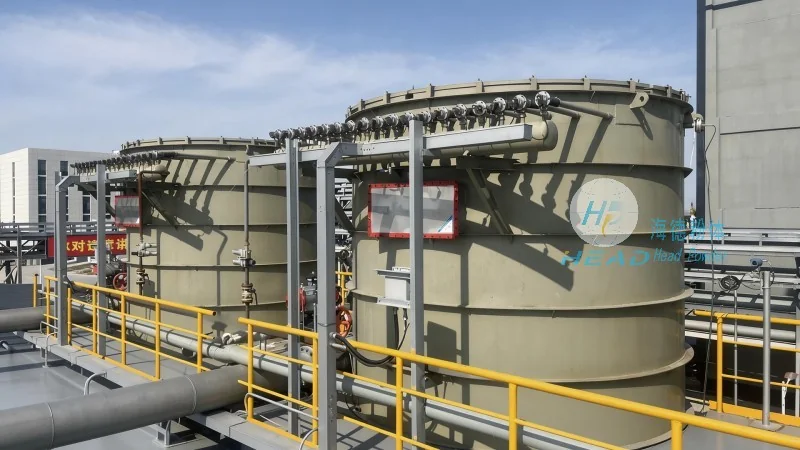
The operation of an intermittent pneumatic conveying system follows a systematic cycle to ensure efficient material transport. The process begins with the loading of the bulk material into the material hopper. Once the hopper is filled, the system initiates the conveying cycle by activating the air compressor or blower. The compressed air is introduced into the conveying line, creating a high-pressure environment that lifts and transports the material particles. As the air flows through the line, it carries the material in a suspended state, moving it from the source to the discharge point. The cycle continues until the material hopper is emptied, at which point the system may pause or transition to a new batch of material. This intermittent operation allows for precise control over the material flow, preventing overloading and ensuring consistent performance.
Working Principle: How It Works
The working principle of intermittent pneumatic conveying systems is based on the fundamental physics of fluid dynamics and particle motion. The system operates by creating a pressure differential between the inlet and outlet of the conveying line. The air compressor or blower supplies a high-pressure air stream that enters the conveying line at the hopper end. This high-pressure air then interacts with the bulk material, creating a mixture of air and particles. The air flow exerts a drag force on the particles, lifting them off the conveying line and propelling them forward. The velocity of the air and the size of the particles determine the efficiency of the conveying process. The system is designed to maintain a stable flow rate, ensuring that the material is transported without clogging or loss of material.
Advantages of Intermittent Pneumatic Conveying
Intermittent pneumatic conveying systems offer several advantages over other material handling methods. One of the key benefits is the ability to handle a wide variety of materials, including those that are abrasive, corrosive, or sensitive to moisture. The enclosed system prevents contamination and dust emissions, making it suitable for applications in food, pharmaceutical, and chemical industries. Additionally, these systems provide precise control over the material flow rate and pressure, allowing for accurate dosing and consistent product quality. The intermittent operation also reduces energy consumption compared to continuous systems, as the air compressor operates only during the conveying cycle. Furthermore, the compact design of these systems makes them suitable for installation in limited spaces, making them ideal for retrofitting existing facilities.
Applications in Industrial Settings
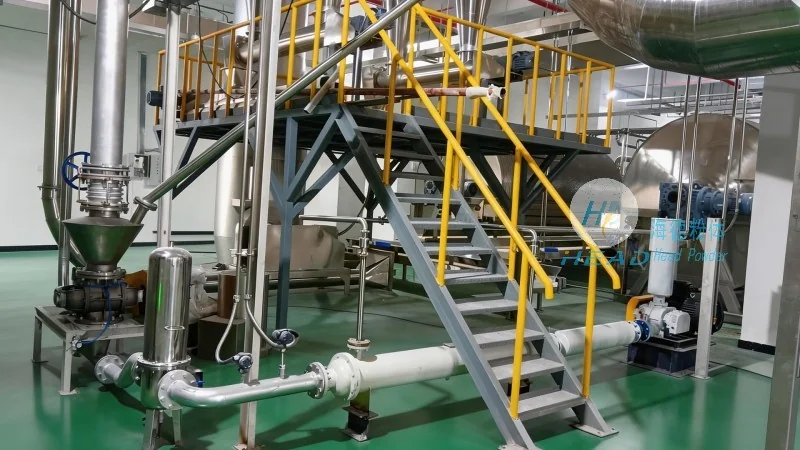
Intermittent pneumatic conveying systems are widely used in various industrial applications across different sectors. In the food and beverage industry, these systems are used to transport ingredients such as flour, sugar, and spices, ensuring hygienic and dust-free handling. In the pharmaceutical industry, they are employed to convey raw materials and finished products, maintaining strict contamination control. The chemical industry utilizes these systems for transporting powders and granules, such as catalysts and reagents, while the mining and mineral processing sectors use them to handle bulk materials like ores and coal. The versatility of intermittent pneumatic conveying systems makes them a preferred choice for material handling in these and other industries, where efficiency, control, and safety are critical.
Conclusion
Intermittent bulk material pneumatic conveying systems, manufactured by Shandong HeadPowder Engineering Co., Ltd., represent a reliable and efficient solution for industrial material handling. By understanding the operation process and working principle of these systems, users can appreciate their versatility and advantages in various applications. The controlled and precise nature of intermittent pneumatic conveying ensures consistent performance, making it an essential component in modern industrial operations. With its commitment to quality and innovation, HeadPowder continues to provide advanced pneumatic conveying solutions that meet the evolving needs of the industry.




