Wool powder pneumatic conveying systems are sophisticated industrial solutions designed to efficiently transport fine wool powders over varying distances with minimal product degradation. The operation of such systems is governed by a combination of mechanical and pneumatic principles, ensuring consistent performance and reliability in processing environments. This article delves into the detailed operation process and underlying working principles of these systems, highlighting the key components and their interplay in delivering optimal results.
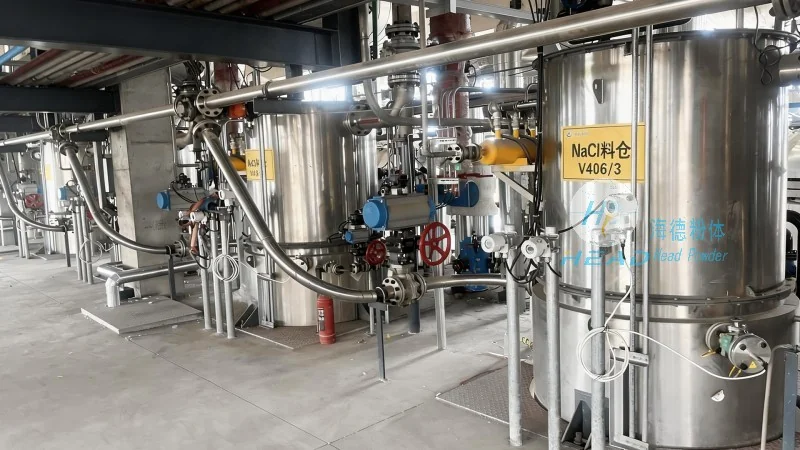
Key Components of Wool Powder Pneumatic Conveying Systems
The core components of a wool powder pneumatic conveying system include the material feed hopper, air supply unit (blower or compressor), conveying pipeline, and discharge unit. Each component plays a critical role in the overall system functionality. The feed hopper is responsible for storing and metering the wool powder, ensuring a steady flow into the system. The air supply unit generates the necessary pressure or vacuum to move the powder through the pipeline. The conveying pipeline, typically made of materials like stainless steel or PVC, is designed to withstand the abrasive nature of wool powders and maintain airtight integrity. The discharge unit collects the conveyed powder and directs it to the final destination, such as a storage silo or processing unit.
Working Principle of Pneumatic Conveying
Pneumatic conveying operates on the principle of using air to transport solid particles. In a typical system, air is introduced into the conveying pipeline, creating a flow that lifts and propels the wool powder particles. The system can function in either positive pressure or negative pressure (vacuum) modes. Positive pressure systems use a blower to force air and powder through the pipeline, while negative pressure systems use a vacuum to draw the powder into the pipeline. The choice between these modes depends on factors like the distance to be covered, the quantity of material to be conveyed, and the specific characteristics of the wool powder.
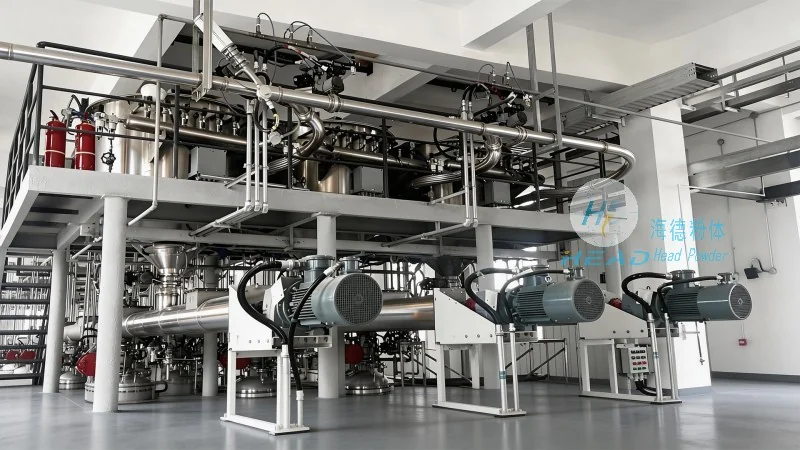
Operation Process: Step-by-Step Analysis
The operation process of a wool powder pneumatic conveying system involves several sequential steps. Initially, the wool powder is fed into the material hopper from a storage bin or processing line. The hopper is equipped with a feeder mechanism, such as a rotary valve or screw feeder, which controls the flow rate of the powder into the system. Simultaneously, the air supply unit starts operating, generating the required air pressure or vacuum. The air is then introduced into the conveying pipeline, creating a flow that picks up the wool powder particles. As the mixture travels through the pipeline, the air velocity is maintained at a level sufficient to keep the powder suspended and prevent settling or blockages. The conveying pipeline may include bends, expansions, or restrictions, which are designed to minimize pressure loss and maintain consistent flow. Upon reaching the discharge point, the air and powder mixture enters the discharge unit, where the air is separated from the powder. The air is typically filtered and recycled back to the system, while the wool powder is collected and directed to its final destination.
System Efficiency and Performance Factors
The efficiency of a wool powder pneumatic conveying system is influenced by several factors, including air velocity, pressure drop, and system design. Proper air velocity is crucial to ensure that the wool powder particles remain suspended and do not settle in the pipeline. Excessive air velocity can lead to increased energy consumption and potential damage to the powder, while insufficient velocity may cause blockages or material degradation. The pressure drop along the pipeline is another critical factor, as it indicates the energy required to move the powder through the system. System designers optimize the pipeline diameter, length, and bends to minimize pressure drop and maximize efficiency. Additionally, the material properties of the wool powder, such as particle size, moisture content, and abrasiveness, affect the system's performance. For example, finer powders may require higher air velocities to maintain suspension, while more abrasive powders may necessitate the use of wear-resistant materials for the pipeline and components.
Applications and Benefits in Wool Processing
Wool powder pneumatic conveying systems find extensive applications in the wool processing industry, including raw material handling, intermediate product transport, and final product distribution. These systems offer several advantages over traditional mechanical conveying methods, such as reduced product contamination, lower maintenance costs, and improved safety. By eliminating the need for moving parts in contact with the wool powder, the risk of contamination from lubricants or wear particles is minimized. Additionally, pneumatic systems can handle a wide range of powder characteristics, making them versatile for various processing stages. The ability to transport wool powder over long distances without the need for intermediate storage or handling points also enhances overall operational efficiency. Furthermore, the systems are designed to be compact and space-efficient, which is particularly beneficial in facilities with limited floor space.
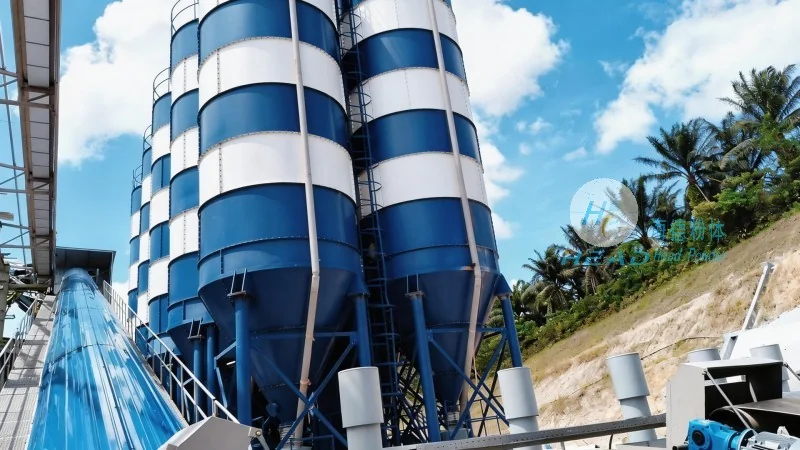
Maintenance and Operational Considerations
Proper maintenance is essential to ensure the long-term reliability and efficiency of wool powder pneumatic conveying systems. Regular inspection and cleaning of the conveying pipeline and components are necessary to prevent the accumulation of powder residues, which can lead to blockages or increased pressure drop. The air supply unit and filters should be checked and maintained regularly to ensure consistent air quality and pressure. The feeder mechanisms should be lubricated and adjusted as needed to maintain proper flow rates. Additionally, monitoring system performance parameters, such as pressure, air flow rate, and material flow rate, can help identify potential issues early and prevent system downtime. Proper training of operators on system operation and maintenance procedures is also crucial to ensure safe and efficient operation.
Conclusion
Wool powder pneumatic conveying systems are advanced industrial solutions that effectively address the challenges of transporting fine wool powders. By understanding the key components, working principles, and operation process, users can optimize system performance and ensure reliable operation. The systems offer significant benefits in terms of efficiency, safety, and product quality, making them an essential part of modern wool processing facilities. As technology continues to advance, further improvements in system design and materials may enhance performance and expand the range of applications. For those seeking reliable and efficient solutions for wool powder handling, the expertise and products of Shandong HeadPowder Engineering Co., Ltd. provide a trusted option, with their commitment to quality and customer satisfaction.




