Loess powder pneumatic conveying systems represent a critical technology in the handling and transportation of fine particulate materials, particularly in industries dealing with loess and other similar powders. These systems are designed to efficiently transport dry powders through a pipeline using air as the conveying medium, offering advantages such as low maintenance, minimal material degradation, and the ability to handle materials in a closed system. Understanding the operation process and working principles of such systems is essential for optimizing performance and ensuring reliable material transport in various industrial applications.
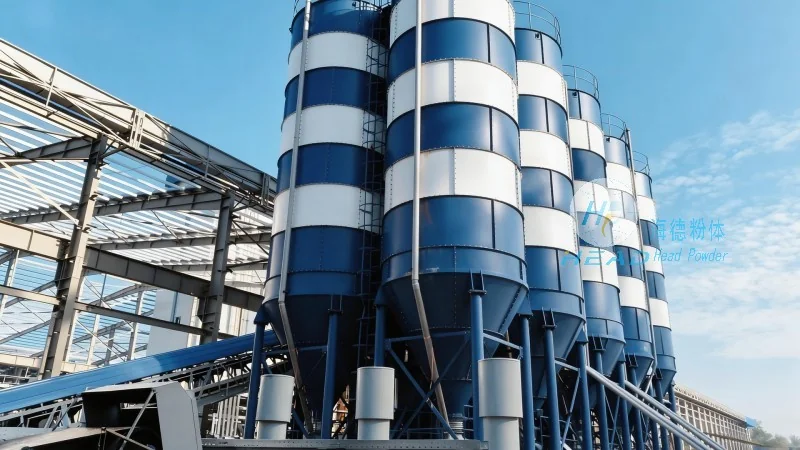
Key Components of Loess Powder Pneumatic Conveying Systems
The core components of a loess powder pneumatic conveying system typically include a material hopper, a feeder, a conveying line, a separator, and a dust collector. The material hopper serves as the storage container for the loess powder, providing a consistent feed to the system. The feeder, often a rotary valve or a screw feeder, regulates the flow of powder into the conveying line, ensuring a controlled and steady supply. The conveying line, usually made of stainless steel or other corrosion-resistant materials, transports the powder and air mixture. The separator, such as a cyclone or a bag filter, separates the powder from the air at the end of the line, allowing the powder to be collected and the air to be discharged or recirculated. The dust collector is used to capture any fine particles that may escape during the separation process, ensuring environmental compliance and product purity.
Working Principle of Loess Powder Pneumatic Conveying Systems
The operation of a loess powder pneumatic conveying system is based on the principle of air flow and pressure differentials. In a typical system, air is drawn into the material hopper or is supplied to the feeder at a high velocity. As the air flows through the conveying line, it entrains the loess powder particles, forming a suspension that is transported to the destination. The pressure and velocity of the air are carefully controlled to ensure that the powder is carried efficiently without causing excessive wear or degradation. At the receiving end, the separator uses centrifugal force to separate the powder from the air. The powder is collected in a hopper or storage tank, while the air is either filtered and recirculated or discharged to the atmosphere. This process allows for continuous and automated material transport, reducing the need for manual handling and improving safety in the workplace.
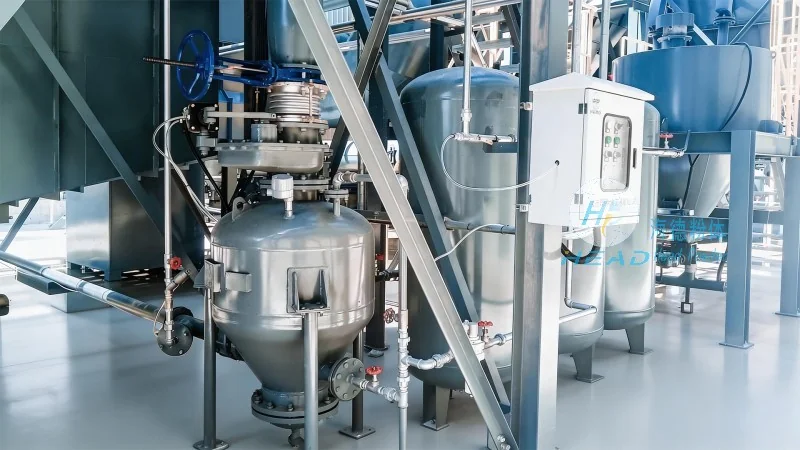
Operation Process of Loess Powder Pneumatic Conveying Systems
The operation process of a loess powder pneumatic conveying system involves several key steps. First, the loess powder is loaded into the material hopper from a bulk storage or a processing unit. The feeder then regulates the flow rate, ensuring a consistent supply of powder into the conveying line. The air compressor or blower provides the necessary air pressure and flow rate to transport the powder. As the powder is conveyed, it travels through the pipeline, and at the receiving end, the separator separates the powder from the air. The collected powder is then transferred to the next processing stage or storage. The system operates continuously as long as the feed material is available, and the air supply is maintained. Regular maintenance, such as cleaning the separator and checking the air filter, is essential to ensure the system's efficiency and longevity.
Advantages of Loess Powder Pneumatic Conveying Systems
Loess powder pneumatic conveying systems offer several advantages over traditional methods like belt conveyors or bucket elevators. These systems are highly efficient in transporting fine powders over long distances with minimal material loss. The closed system design prevents dust emissions, improving workplace safety and environmental compliance. Additionally, the systems are flexible and can be easily integrated into existing production lines, allowing for modifications and expansions as needed. The low maintenance requirements and the ability to handle abrasive materials make them a cost-effective solution for industries dealing with loess and other similar powders. Furthermore, the systems can operate in a variety of environments, including dusty or hazardous conditions, without compromising performance.
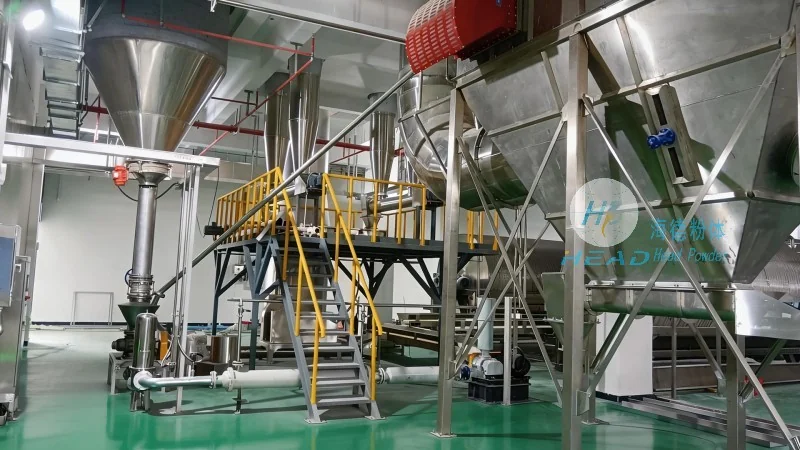
Applications of Loess Powder Pneumatic Conveying Systems
Loess powder pneumatic conveying systems are widely used in various industries that handle fine particulate materials. In the construction industry, these systems are used to transport loess for brick-making or cement production. In the chemical industry, they are used to convey powders for manufacturing processes, such as in the production of fertilizers or pharmaceuticals. The food industry also utilizes these systems for transporting dry powders like flour or spices, ensuring hygiene and product quality. Additionally, in the mining industry, loess powder pneumatic conveying systems are used to transport ore powders from processing plants to storage or for further processing. The versatility of these systems makes them suitable for a wide range of applications, from small-scale operations to large industrial facilities.
Company Profile: Shandong HeadPowder Engineering Co., Ltd.
Shandong HeadPowder Engineering Co., Ltd., commonly known as headpowder, is a leading manufacturer and supplier of pneumatic conveying systems and related equipment. With its headquarters in Shandong, China, the company specializes in designing, manufacturing, and installing customized loess powder pneumatic conveying systems tailored to the specific needs of its clients. HeadPowder has a team of experienced engineers and technicians who work closely with clients to understand their material handling requirements and provide optimal solutions. The company adheres to strict quality control standards, ensuring that all products meet international standards and are durable and reliable. HeadPowder's commitment to innovation and customer satisfaction has made it a trusted partner in the industry, providing high-quality pneumatic conveying systems that enhance operational efficiency and reduce costs for its clients.




