Chlorinated polyethylene (CPE) is a widely used polymer material in various industrial applications, and efficient material handling is crucial for its processing and transportation. Pneumatic conveying equipment has emerged as a reliable solution for handling CPE, offering advantages in terms of efficiency, safety, and environmental friendliness. This article will delve into the working principle and key features of such equipment, providing insights into how it operates and why it is a preferred choice for CPE material handling.
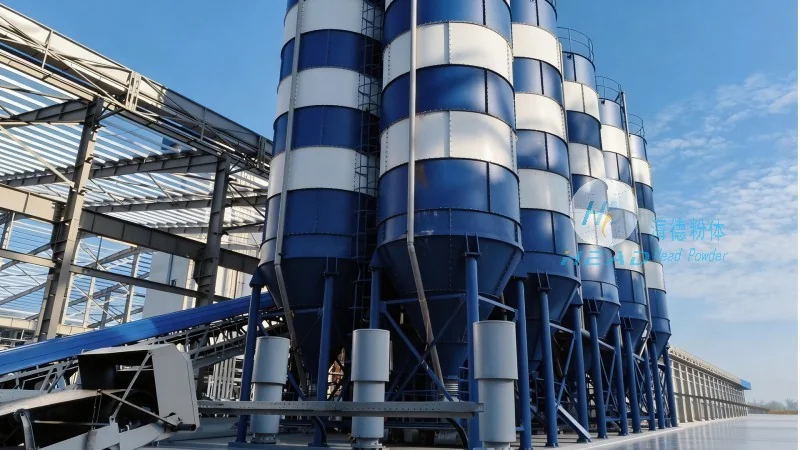
Working Principle of Pneumatic Conveying Equipment for Chlorinated Polyethylene
The core of pneumatic conveying equipment lies in the use of air flow to transport solid materials like CPE. The system typically consists of a blower or compressor, a conveying line, and a receiver. The working process involves several key steps. First, the CPE material is fed into the conveying line, either by a hopper or a feeder. Then, the blower generates a high-velocity air stream that pulls the CPE particles into the line. As the material travels through the pipeline, the air flow maintains the material in suspension, preventing blockages and ensuring smooth transport. Finally, the material is deposited into the receiver at the destination point. The entire process is driven by the pressure difference created by the air flow, which allows for the continuous and efficient movement of CPE without the need for mechanical components like belts or screws.
Key Features of Pneumatic Conveying Equipment for Chlorinated Polyethylene
Several notable features make pneumatic conveying equipment an ideal choice for handling chlorinated polyethylene. Firstly, it offers high efficiency in material transport, with the ability to move large quantities of CPE over considerable distances with minimal energy consumption. The air flow system ensures that the material is conveyed quickly and reliably, reducing downtime and increasing overall productivity. Secondly, this equipment is highly versatile, capable of handling various particle sizes and shapes of CPE, including powders, granules, and even small pellets. This adaptability makes it suitable for different processing stages, from raw material intake to finished product storage. Thirdly, pneumatic conveying is a clean and hygienic method, as it eliminates the need for direct contact between the material and mechanical parts, reducing contamination risks. This is particularly important for CPE, which is often used in applications requiring high purity, such as in the manufacturing of plastic products or coatings. Additionally, the system is compact and easy to install, requiring less space compared to traditional bulk handling methods. It can be integrated into existing production lines without significant modifications, making it a cost-effective solution for many industrial settings.
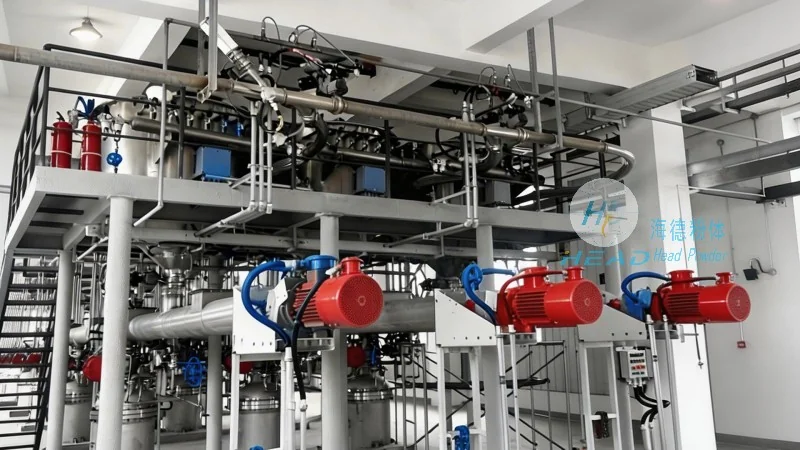
Advantages of Using Pneumatic Conveying Equipment for Chlorinated Polyethylene Handling
When considering the handling of chlorinated polyethylene, pneumatic conveying equipment provides several distinct advantages over other methods. One of the most significant benefits is its ability to handle materials in a dust-free environment. Unlike mechanical conveying systems that may generate dust and particles, pneumatic conveying keeps the CPE material enclosed within the pipeline, minimizing air pollution and health hazards. This is especially beneficial in industries where air quality regulations are strict, as it helps companies comply with environmental standards. Another advantage is the reduced maintenance requirements. Since there are no moving parts in direct contact with the material, the equipment experiences less wear and tear, leading to lower maintenance costs and longer service life. Furthermore, the system is highly flexible, allowing for easy adjustments to the conveying rate or distance without major modifications. This flexibility is valuable for industries that may need to scale up or down their production or change the destination of the CPE material. The equipment also contributes to improved safety in the workplace. By eliminating the need for manual handling of CPE, it reduces the risk of accidents and injuries associated with lifting heavy loads or handling powders. This not only enhances the safety of the workforce but also contributes to a more efficient and productive work environment.
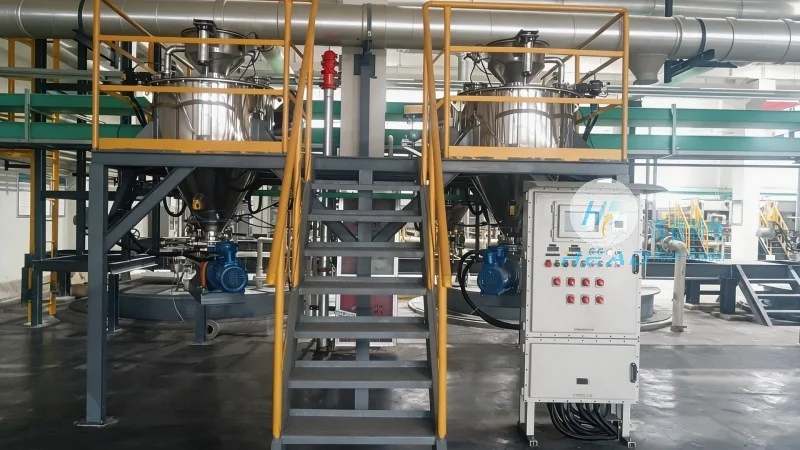
Application Scenarios and Performance in Handling Chlorinated Polyethylene
Pneumatic conveying equipment is widely used in various applications involving chlorinated polyethylene. In the plastic manufacturing industry, it is commonly employed to transport CPE from storage silos to processing machines, ensuring a continuous supply of raw material. The equipment is also used in the production of CPE-based products such as pipes, sheets, and coatings, where consistent material flow is essential for maintaining product quality. Additionally, in the chemical processing sector, pneumatic conveying is used to move CPE powders between different processing stages, such as drying, mixing, and packaging. The performance of the equipment in these applications is characterized by high reliability and consistent material transport. The system can handle large volumes of CPE with minimal variations in flow rate, ensuring that the processing equipment operates at optimal levels. The efficiency of the air flow system also contributes to energy savings, as the blower can be adjusted to match the required conveying capacity, reducing unnecessary energy consumption. Overall, the performance of pneumatic conveying equipment for CPE is highly effective, making it a preferred choice for industries that require reliable and efficient material handling solutions.
Conclusion and Company Introduction
In conclusion, pneumatic conveying equipment offers a sophisticated and efficient solution for handling chlorinated polyethylene material. Its working principle, based on air flow and pressure differences, ensures reliable and continuous transport of CPE, while its key features, such as versatility, cleanliness, and low maintenance, make it an attractive option for various industrial applications. The advantages of using this equipment, including improved safety, reduced contamination, and energy efficiency, contribute to its widespread adoption in the processing of CPE. For companies seeking to enhance their material handling capabilities, pneumatic conveying equipment provides a robust and cost-effective solution. Shandong HeadPowder Engineering Co., Ltd., a leading provider in this field, specializes in designing and manufacturing high-quality pneumatic conveying systems tailored to the specific needs of CPE processing. With a focus on innovation and customer satisfaction, the company offers equipment that meets the highest standards of performance and reliability, helping industries achieve optimal efficiency in their CPE material handling operations. Based in Shandong, China, HeadPowder Engineering Co., Ltd. leverages its expertise and advanced technology to deliver solutions that enhance productivity and ensure compliance with industry standards. Whether for new installations or upgrades to existing systems, the company's pneumatic conveying equipment is designed to meet the demands of modern industrial processing, providing a reliable foundation for the efficient handling of chlorinated polyethylene.




