Shandong HeadPowder Engineering Co., Ltd., a leading manufacturer in the field of material handling equipment, specializes in providing efficient and reliable solutions for transporting gypsum materials. The company, commonly known as HeadPowder, is headquartered in Shandong, China, and has built a strong reputation for its innovative approach to industrial material handling systems. With a focus on quality and customer satisfaction, HeadPowder has become a trusted partner for businesses seeking advanced material handling solutions.
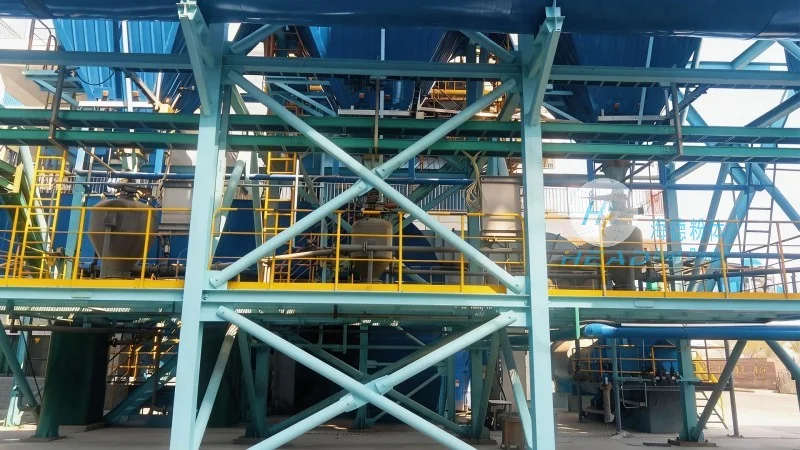
Gypsum Material Handling System Equipment Overview
HeadPowder's gypsum material handling system equipment is a comprehensive solution designed to streamline the handling of gypsum from storage to processing. These systems are engineered to handle various types of gypsum, including natural and synthetic varieties, and are suitable for applications ranging from small-scale production to large industrial operations. The equipment is constructed with high-quality materials, such as stainless steel and durable plastics, to withstand the corrosive and abrasive nature of gypsum. Advanced control systems and sensors are integrated into the design to ensure precise operation and minimal downtime.
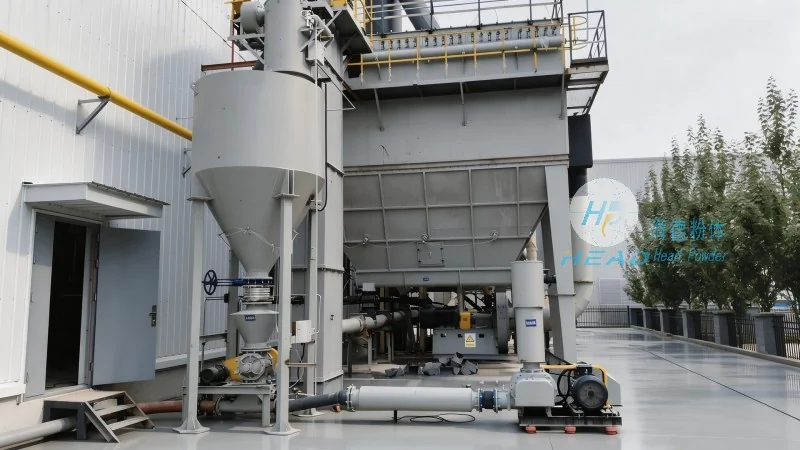
Key Components and Their Functions
The gypsum material handling system typically includes several key components, each playing a vital role in the overall operation. The primary components are feeders, conveyors, elevators, and control units. Feeders are responsible for evenly distributing the gypsum material into the conveyor system, preventing blockages and ensuring a consistent flow rate. Conveyors, which can be belt, screw, or chain types, transport the material horizontally or vertically as required. Elevators are used to lift the material to higher levels, while control systems monitor and regulate the speed, pressure, and material level to maintain optimal performance. Each component is designed to work in harmony, ensuring smooth and efficient material handling.
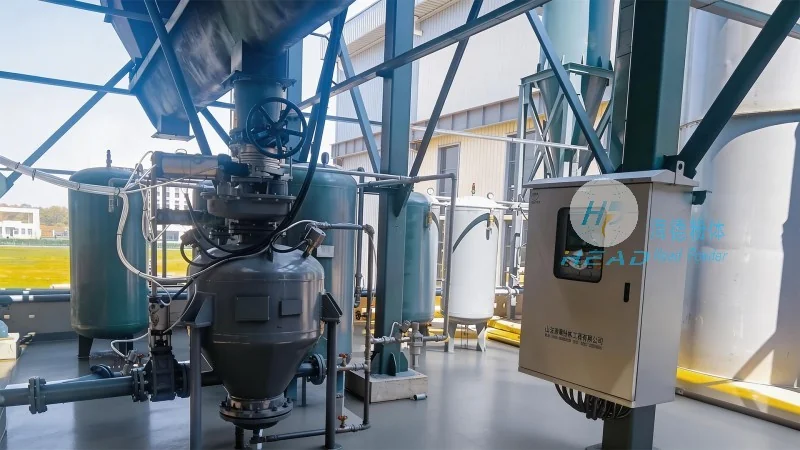
Operation Process of the Gypsum Material Handling System
The operation of the gypsum material handling system begins with the loading of gypsum material into the storage hopper or bin. The material is then fed into the feeder, which controls the flow rate to match the conveyor's capacity. The conveyor system transports the gypsum to the next processing stage, such as a grinding or mixing unit. If vertical movement is needed, an elevator is engaged to lift the material to the desired height. The control system continuously monitors parameters like speed, pressure, and material level, adjusting operations as necessary to prevent overloading or underflow. This systematic approach ensures that the gypsum is handled safely and efficiently throughout the entire process, minimizing material loss and maximizing productivity.
Working Principle of the Gypsum Material Handling System
The working principle of the gypsum material handling system is based on mechanical and electric power to move the material. The feeders use gravity or mechanical force to transfer the material into the conveyor. The conveyors rely on motor-driven mechanisms to pull or push the material along the path, with belt conveyors being the most common for horizontal transport. Elevators employ a combination of gears and motors to lift the material vertically, while control systems use sensors and controllers to regulate the speed and direction of each component. This integrated approach allows for precise control over the material flow, ensuring that the gypsum is moved smoothly and without interruption. The system's design minimizes friction and wear, reducing maintenance costs and extending the equipment's lifespan.
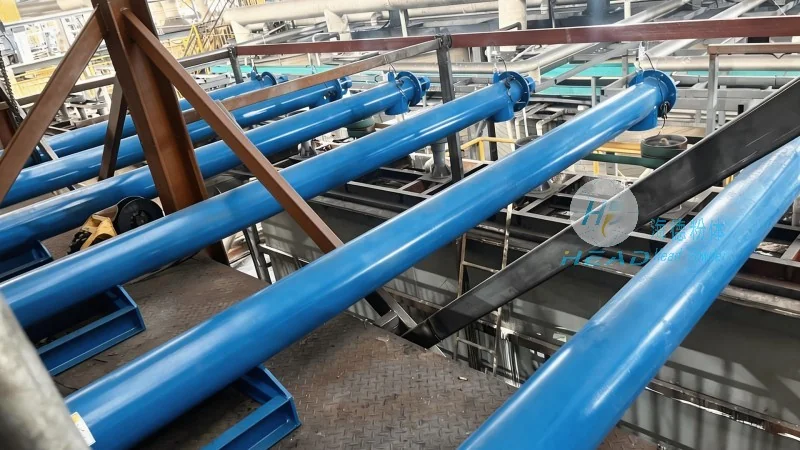
Advantages and Applications
HeadPowder's gypsum material handling systems offer several significant advantages, including high efficiency, low maintenance costs, and adaptability to various production scales. These systems are widely used in industries such as construction, pharmaceuticals, and food processing, where gypsum is a critical raw material. The systems are designed to handle different types of gypsum, including natural and synthetic varieties, and can be customized to fit specific production requirements. By optimizing material flow and reducing downtime, these systems contribute to increased productivity and cost savings for businesses. Additionally, the advanced control systems provide real-time monitoring and data analysis, enabling operators to make informed decisions and further improve operational efficiency.




