Shandong HeadPowder Engineering Co., Ltd., located in Shandong, China, specializes in the design, manufacturing, and installation of advanced material handling systems. This article provides a detailed overview of the operation process and working principle of a mica sand material conveying line, highlighting the key components, operational steps, and technical aspects that ensure efficient and reliable material transport.
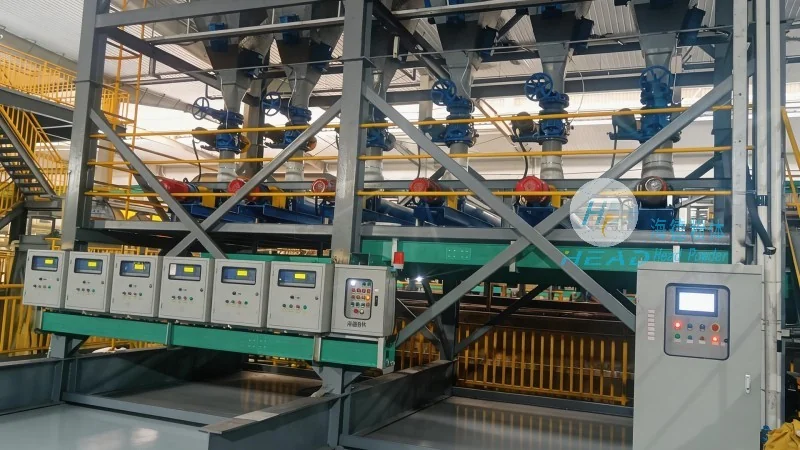
Key Components of the Mica Sand Conveying System
The mica sand material conveying line typically consists of several essential components that work in tandem to facilitate the movement of mica sand from the source to the destination. These components include a hopper for material storage, a feeder to control the flow rate, a conveyor system (such as a belt conveyor or screw conveyor) for transporting the material, a transfer point or transfer station to redirect the material if needed, and a discharge mechanism to release the material at the end of the line. Each component plays a critical role in maintaining the smooth operation of the entire system.
Operation Process of the Mica Sand Conveying Line
The operation process of the mica sand material conveying line begins with the loading of mica sand into the hopper. The hopper is designed to hold a sufficient quantity of material to ensure continuous operation, minimizing downtime caused by material replenishment. Once the hopper is filled, the feeder mechanism activates, regulating the flow of mica sand into the conveyor system. The feeder may use a variety of mechanisms, such as a rotary valve or a vibratory feeder, to control the discharge rate and prevent overloading or underloading of the conveyor.
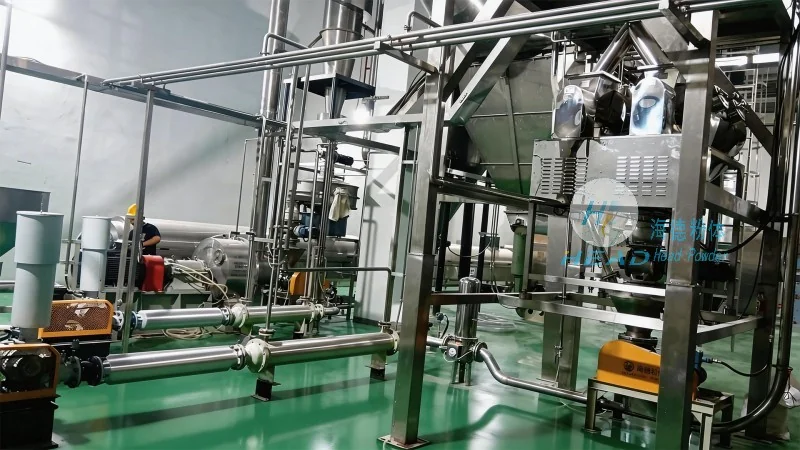
The conveyor system then transports the mica sand from the hopper to the transfer point or directly to the discharge point. The choice of conveyor type depends on the characteristics of the mica sand, including its particle size, moisture content, and abrasiveness. For example, a belt conveyor is commonly used for transporting dry mica sand over long distances, while a screw conveyor may be preferred for handling fine or sticky mica sand in a vertical or inclined configuration. The transfer point or station is crucial for redirecting the material if the conveying line needs to change direction or connect to another system, ensuring that the material flows smoothly without causing blockages or spillage.
The discharge mechanism at the end of the line is responsible for releasing the mica sand into the desired destination, such as a storage silo, a processing unit, or a packaging area. The discharge point may include a gate valve or a rotary valve to control the flow of material out of the system, preventing backflow and ensuring that the material is discharged at a controlled rate. Throughout the operation process, sensors and control systems monitor the flow rate, pressure, and temperature of the material to ensure that the system operates within safe and efficient parameters.
Working Principle of the Mica Sand Conveying Line
The working principle of the mica sand material conveying line is based on the mechanical transfer of material from one location to another through a series of interconnected components. The process begins with the material being fed into the hopper, where it is stored until it is needed for transport. The feeder then regulates the flow of material into the conveyor system, which uses mechanical energy to move the material forward. The conveyor system may utilize different principles, such as friction (in the case of belt conveyors) or positive displacement (in the case of screw conveyors), to move the material along the path of the line.
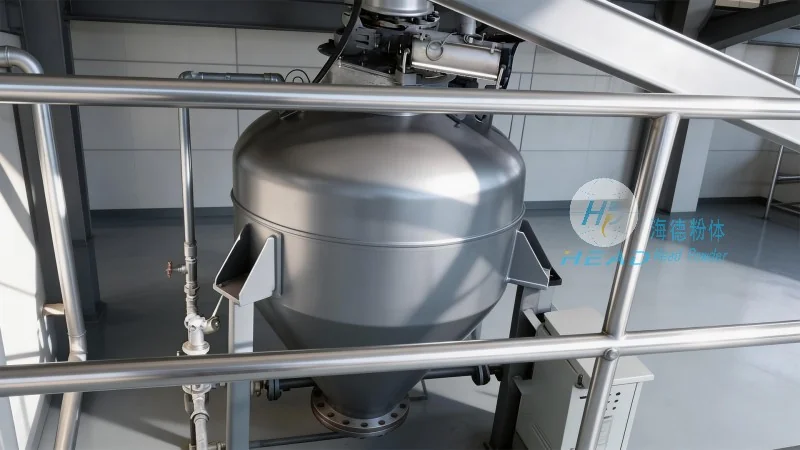
The transfer point or station acts as a junction where the material is redirected or transferred to another conveyor or processing equipment. This component is designed to minimize friction and resistance, ensuring that the material flows smoothly without causing damage to the equipment or the material itself. The discharge mechanism at the end of the line completes the process by releasing the material into the desired destination, completing the cycle of material transport.
The entire system is controlled by a central control panel or a programmable logic controller (PLC), which monitors the operation of each component and adjusts the flow rate or speed as needed. This automation ensures that the system operates efficiently and safely, reducing the risk of accidents or equipment damage. Additionally, the system may include safety features such as emergency stop buttons, overload protection, and material detection sensors to prevent accidents and ensure the well-being of operators.




