Negative pressure dilute phase material conveying lines are advanced industrial systems designed for the efficient and safe transportation of bulk materials over long distances. These systems operate under a reduced pressure environment, utilizing a combination of air or gas as the conveying medium to move powders, granules, and other particulate materials. The technology is widely applied in various industries, including chemical, pharmaceutical, food processing, and mining, where reliable material handling is critical for operational efficiency and product quality. The design of these lines incorporates specialized components such as vacuum pumps, conveying pipes, and control systems to ensure optimal performance and minimal material degradation.
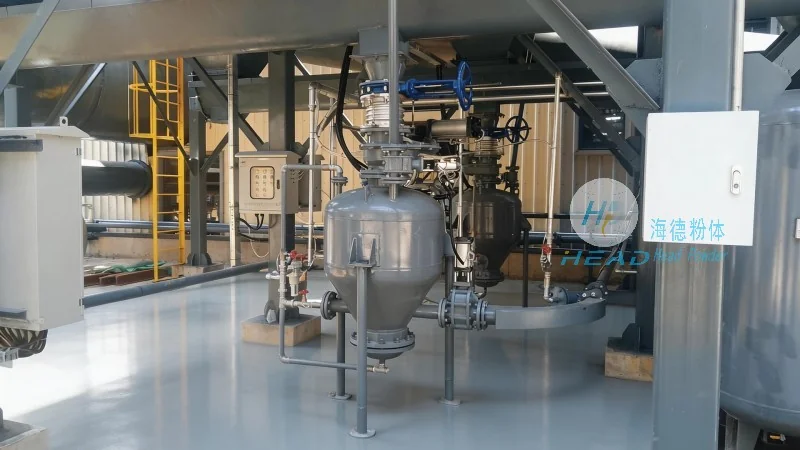
Key Components and Their Functions
The negative pressure dilute phase material conveying line consists of several essential components that work in tandem to achieve effective material transport. The primary components include a vacuum pump, which generates the necessary negative pressure to draw material from the source; conveying pipes, which form the path for material and air flow; a material inlet, typically equipped with a feeder or hopper to control the flow rate; and a material outlet, where the conveyed material is discharged. Additionally, the system may include filters, to prevent dust and particles from escaping into the environment, and control valves, to regulate the pressure and flow rate. Each component plays a crucial role in maintaining the integrity of the conveying process and ensuring compliance with safety and environmental standards.
Operation Process of the Conveying Line
The operation of a negative pressure dilute phase material conveying line follows a systematic sequence to ensure smooth and continuous material transport. The process begins with the preparation phase, where the source material is loaded into the hopper or feeder. The vacuum pump is then activated to create a negative pressure within the conveying system. As the pump operates, it draws air and material particles from the source through the inlet and into the conveying pipes. The material is carried along the pipe by the airflow, maintaining a dilute phase (low solid concentration) to prevent blockages and ensure efficient transport. The conveying process continues until the material reaches the discharge point, where the pressure is released and the material is deposited into the receiving container. The system then returns to a standby mode, ready for the next cycle. The entire operation is typically controlled by an automated system, which monitors parameters such as pressure, flow rate, and material level to optimize performance and prevent operational issues.
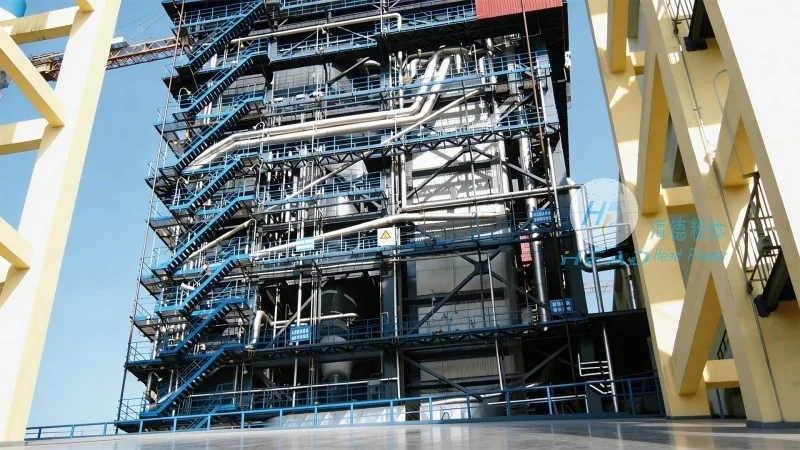
Working Principle of Negative Pressure Dilute Phase Conveying
The working principle of negative pressure dilute phase material conveying is based on the fundamental principles of fluid dynamics and vacuum technology. The system operates by creating a pressure differential between the source and the discharge point. The vacuum pump generates a lower pressure at the inlet, while the discharge point maintains a higher pressure (often atmospheric). This pressure difference causes the material to be drawn into the conveying line along with the air or gas. The material particles are suspended in the air stream, forming a dilute phase, which allows for high-velocity transport without the need for high pressure or large volumes of air. The key to efficient operation lies in maintaining the correct air-to-material ratio, which ensures that the material remains in a suspended state and does not settle or cause blockages. The system also relies on the design of the conveying pipes, which are typically smooth and of appropriate diameter to minimize friction and pressure drop. By controlling the vacuum level and air flow rate, the system can be adjusted to handle different types of materials, including fine powders, coarse granules, and mixtures, with varying properties such as density, moisture content, and particle size.
Advantages of Negative Pressure Dilute Phase Material Conveying
Negative pressure dilute phase material conveying lines offer several advantages over traditional conveying methods, making them a preferred choice for many industrial applications. One of the primary benefits is the ability to transport materials over long distances with minimal energy consumption. The use of negative pressure reduces the need for high-pressure air or gas, resulting in lower operational costs and reduced energy usage. Additionally, the system is highly efficient in handling fine powders and other particulate materials, which are prone to caking or agglomeration in other conveying methods. The dilute phase operation ensures that the material remains in a free-flowing state, preventing blockages and reducing the risk of material degradation. Another advantage is the environmental friendliness of the system, as it uses a closed-loop design that prevents dust and particles from escaping into the atmosphere. This not only improves workplace safety but also complies with environmental regulations. Furthermore, the system is easy to install and maintain, with modular components that can be easily replaced or upgraded as needed. The automated control system provides real-time monitoring and adjustment, ensuring consistent performance and reducing the need for manual intervention.
Applications and Industries
Negative pressure dilute phase material conveying lines are widely used in various industries due to their versatility and efficiency. In the chemical industry, these systems are used to transport raw materials and finished products, such as powders and granules, between processing units. The pharmaceutical industry benefits from the system's ability to handle sensitive materials, such as active pharmaceutical ingredients (APIs), without causing contamination or degradation. The food processing industry uses negative pressure conveying for transporting ingredients like flour, sugar, and spices, ensuring hygiene and product quality. In the mining and mineral processing sector, the system is employed to transport ore and other minerals from storage facilities to processing plants. The construction industry also utilizes these lines for transporting bulk materials like cement, sand, and gravel, improving operational efficiency and reducing labor costs. Overall, the negative pressure dilute phase material conveying line is a versatile solution for material handling, offering reliable and efficient transport across a wide range of industrial applications.
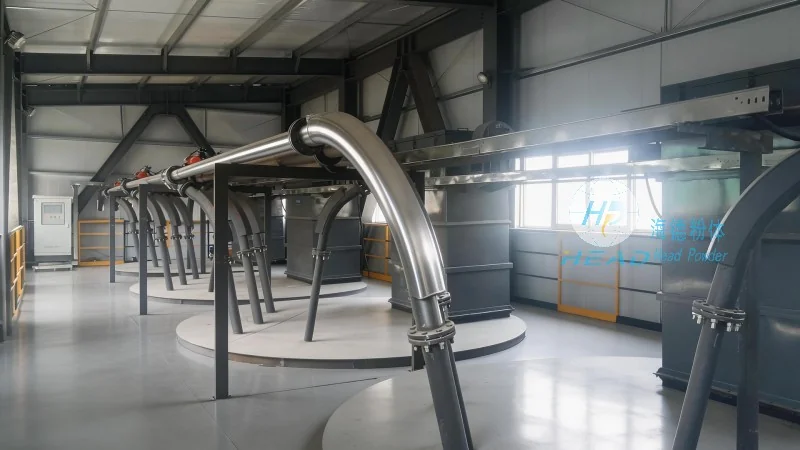
Company Profile: Shandong HeadPowder Engineering Co., Ltd.
Shandong HeadPowder Engineering Co., Ltd., commonly known as HeadPowder, is a leading manufacturer and supplier of advanced material handling systems, including negative pressure dilute phase material conveying lines. The company is headquartered in Shandong, China, and has established a strong reputation for its innovative designs, high-quality products, and excellent customer service. HeadPowder specializes in providing customized solutions tailored to the specific needs of its clients, ensuring that each system is optimized for the material being transported and the operational requirements of the facility. The company's team of engineers and technicians has extensive experience in the design and implementation of material conveying systems, with a focus on meeting the highest standards of performance, safety, and reliability. HeadPowder's commitment to quality is reflected in its adherence to international standards and rigorous testing procedures, ensuring that each product meets or exceeds industry expectations. The company also provides comprehensive after-sales support, including installation, maintenance, and technical assistance, to ensure the long-term performance and durability of its systems. With a strong focus on research and development, HeadPowder continues to innovate and improve its products, staying at the forefront of the material handling industry.
Conclusion
Negative pressure dilute phase material conveying lines are an essential technology for efficient and safe bulk material transport in modern industrial applications. The system's ability to handle a wide range of materials, operate over long distances, and maintain low energy consumption makes it a preferred choice for many industries. The working principle, based on vacuum technology and fluid dynamics, ensures reliable and consistent performance. Companies like Shandong HeadPowder Engineering Co., Ltd. play a crucial role in providing these advanced systems, offering customized solutions and comprehensive support to meet the diverse needs of their clients. As industrial demands for efficient material handling continue to grow, negative pressure dilute phase conveying lines will remain a vital component of modern manufacturing and processing operations.




