Shandong HeadPowder Engineering Co., Ltd., a professional manufacturer based in Shandong, China, specializes in the design, development, and production of advanced material conveying systems. The company, known by the abbreviation "headpowder," focuses on providing efficient and reliable solutions for material handling in various industrial applications. With a strong commitment to quality and innovation, HeadPowder has established itself as a leading provider of multi-point feeding material conveying lines and related equipment.
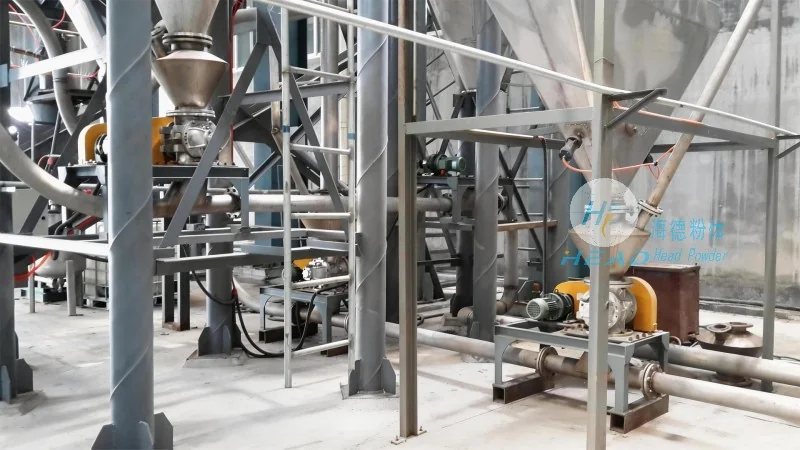
Introduction to Multi-Point Feeding Material Conveying Lines
Multi-point feeding material conveying lines are sophisticated industrial systems engineered to transport bulk materials from multiple feeding points to a central processing or storage area. These systems are crucial in industries such as pharmaceuticals, food processing, chemicals, and mining, where precise material handling and consistent flow are essential for operational efficiency. The design of these lines integrates multiple feeding mechanisms, conveying components, and control systems to ensure seamless material transfer while maintaining product integrity and safety standards. By efficiently managing material flow from various sources, these systems enhance productivity and reduce operational costs in industrial settings.
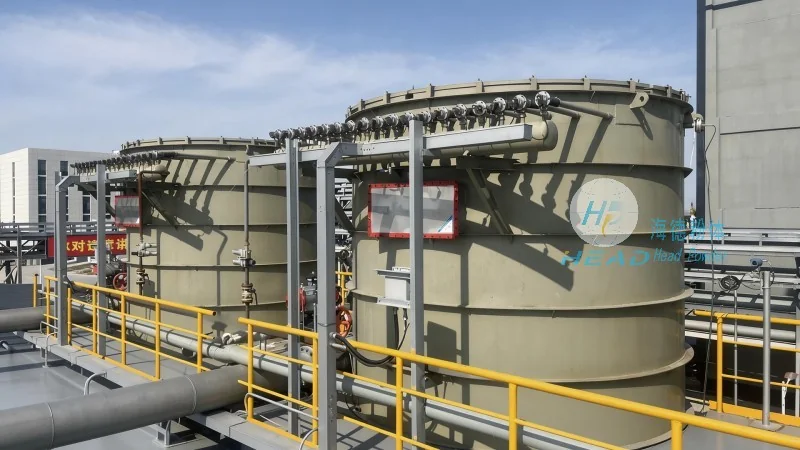
Operation Process of Multi-Point Feeding Material Conveying Lines
The operation of a multi-point feeding material conveying line typically involves several sequential steps that ensure smooth and continuous material flow. Initially, bulk materials are fed from various sources into the system through designated feeding hoppers or chutes. Each feeding point is equipped with a control mechanism that regulates the flow rate of material into the conveyor. As materials enter the conveyor, they are transported through a series of components, including conveyors (such as belt conveyors, screw conveyors, or pneumatic systems), which move the material along the designated path. The system may include intermediate storage or buffering zones to accommodate fluctuations in material supply or demand. At the receiving end, the material is discharged into a central collection bin or processing unit. The entire process is monitored and controlled by an automated system that adjusts parameters like speed, pressure, and flow rate based on real-time data from sensors and feedback mechanisms. This coordinated operation ensures that material is transferred at the optimal rate, minimizing downtime and maximizing throughput.
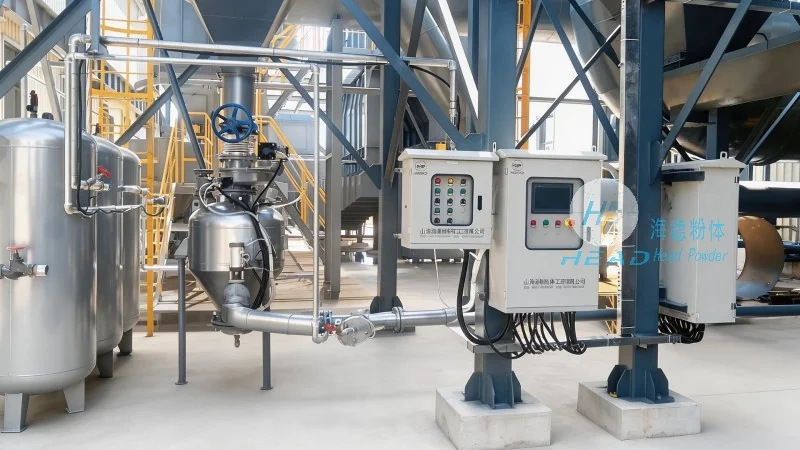
Working Principle of Multi-Point Feeding Material Conveying Lines
The working principle of multi-point feeding material conveying lines is centered on the integration of mechanical, pneumatic, or hydraulic components to achieve efficient material transfer. The system operates by first receiving material from multiple feeding stations, each of which is connected to a primary conveyor. The primary conveyor then transports the material to a central distribution point, where it is further processed or directed to subsequent stages. Key components include feeding hoppers, which regulate the initial flow of material, and conveying mechanisms that ensure consistent movement. Pneumatic conveying systems, for example, use air pressure to move powders or granules through pipes, while mechanical systems rely on rotating parts like screws or belts to transport bulk materials. The control system plays a vital role in coordinating the operation of all components, ensuring that material is transferred at the optimal rate and that any disruptions are quickly detected and addressed. This integrated approach allows for high throughput, minimal downtime, and enhanced safety in material handling operations, making it an ideal solution for modern industrial needs.
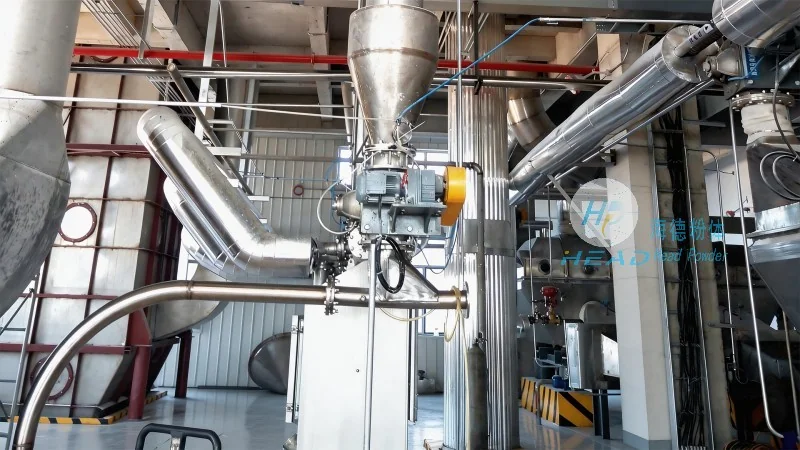
Applications and Benefits of Multi-Point Feeding Material Conveying Lines
Multi-point feeding material conveying lines are widely used in industries where bulk material handling is critical. In the pharmaceutical industry, these systems ensure the safe and hygienic transfer of raw materials and finished products, maintaining compliance with regulatory standards. In food processing, they help maintain product quality by preventing contamination and ensuring consistent flow. In chemical manufacturing, the systems handle various powders and granules, supporting efficient production processes. The benefits of these lines include increased operational efficiency, reduced labor costs, improved material safety, and enhanced product quality. By integrating multiple feeding points, the system can handle varying material volumes and types, making it adaptable to different production needs. Additionally, the automated control systems reduce the risk of human error and improve overall process reliability, contributing to a more stable and productive manufacturing environment.




