For industrial applications that involve the handling and transportation of sodium hydroxide powder, specialized equipment is essential to ensure efficiency, safety, and compliance with operational standards. This equipment, often referred to as a sodium hydroxide powder conveyor system, is designed to manage the flow of this caustic material from storage to processing units. The system typically integrates components such as feeders, conveyors, and control mechanisms to achieve seamless material transfer while minimizing the risk of dust exposure and material degradation. Given the chemical properties of sodium hydroxide, which is highly alkaline and can cause severe burns or corrosion, the equipment must be constructed from materials that resist chemical attack, such as stainless steel or corrosion-resistant alloys. This ensures the longevity and reliability of the system in harsh industrial environments.
Key Components of the Material Handling System
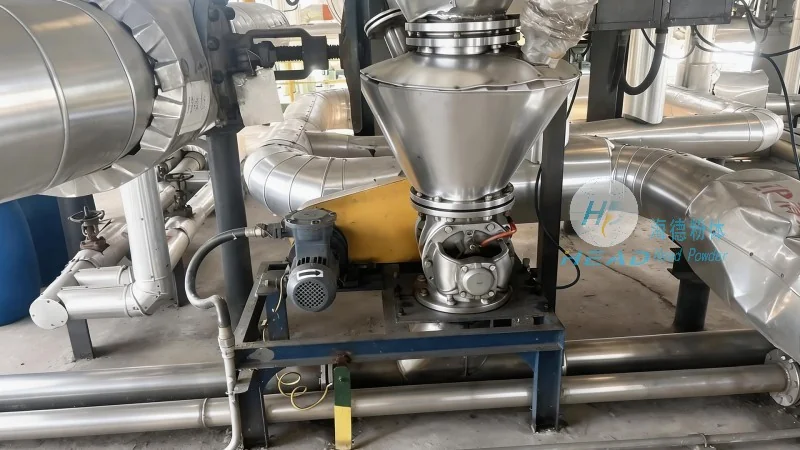
The sodium hydroxide powder handling equipment consists of several critical components that work in tandem to facilitate the transport process. The primary components include a hopper for material storage, a screw or pneumatic conveyor for movement, and a dust collection system to maintain air quality. The hopper is usually made of corrosion-resistant materials, such as stainless steel, to withstand the chemical properties of sodium hydroxide. The hopper’s design, with its sloped walls and a discharge valve at the bottom, promotes uniform material flow into the conveyor. The screw conveyor, which is a common choice for this application, features a helical screw within a trough. The screw’s pitch and diameter are engineered to handle the bulk density and flow characteristics of the powder, ensuring consistent movement without clogging. The pneumatic conveyor, an alternative option, uses compressed air to create a flow of air that carries the powder particles through a pipeline. The air velocity is carefully controlled to prevent particle separation and ensure consistent transport. Additionally, the system may incorporate a control panel that allows operators to monitor and adjust the flow rate, ensuring precise material delivery to downstream processes. The control panel typically includes sensors for level monitoring, pressure measurement, and temperature control, providing real-time feedback to optimize performance.
Operation Process of the Equipment
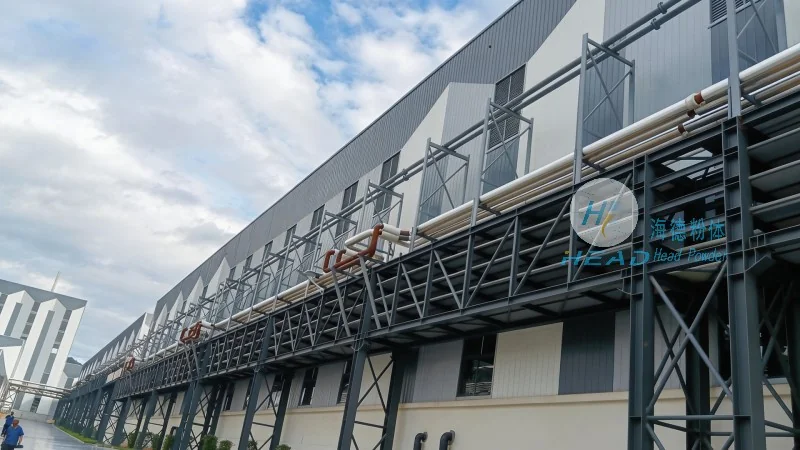
The operation of the sodium hydroxide powder handling equipment follows a systematic sequence to ensure smooth material transfer. Initially, the powder is fed into the hopper from a storage silo or container. The hopper’s sloped walls and the discharge valve at the bottom allow for controlled material release into the conveyor. As the material accumulates, the screw or air flow begins to transport it towards the discharge point. The conveyor speed is controlled by the system’s control panel, which can be adjusted based on the required output rate. For example, during high-demand production periods, the speed may be increased to meet the demand, while during maintenance or low-demand periods, it may be reduced to conserve energy. During the transport process, the dust collection system actively captures any airborne particles, preventing contamination and maintaining a safe working environment. The system may also include a filter or cyclone to separate larger particles from the air stream, ensuring that the collected dust is safely disposed of or reused. The material is then discharged into a processing vessel or storage bin at the end of the conveyor, completing the cycle. This process is repeated continuously as long as the system is operational, providing a reliable supply of sodium hydroxide to the production line. The equipment’s design ensures that the entire process is automated, reducing the need for manual intervention and minimizing the risk of human error.
Working Principle of the Material Handling Equipment
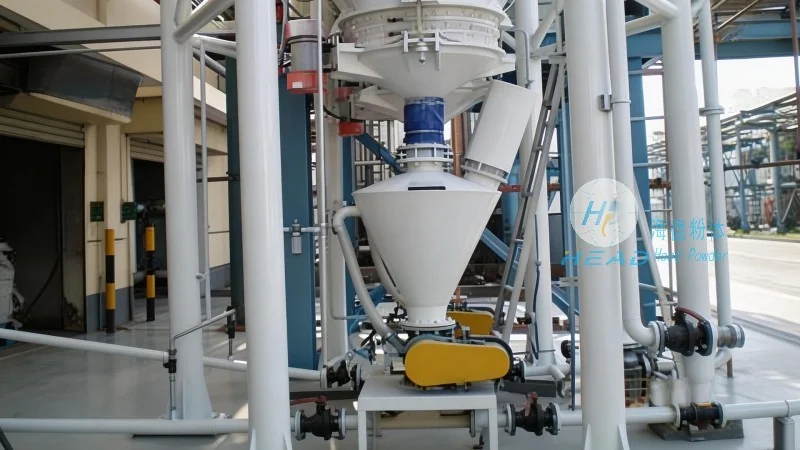
The working principle of the sodium hydroxide powder handling equipment is based on mechanical or pneumatic forces to move the material through the system. For screw conveyors, the principle involves the rotation of a helical screw within a trough, which pushes the powder forward due to friction and gravity. The screw’s pitch (the distance between adjacent threads) and speed determine the material’s flow rate and pressure. A higher pitch or speed results in a greater flow rate, while a lower pitch or speed reduces the flow. The screw conveyor is particularly effective for handling cohesive materials like sodium hydroxide powder, as the screw’s rotation helps break up any agglomerates and maintain a consistent flow. In pneumatic systems, compressed air is used to create a flow of air that carries the powder particles through a pipeline. The air velocity must be sufficient to overcome the material’s weight and friction, ensuring that the particles remain suspended in the air stream. The pneumatic system is often preferred for long-distance transport or when the material needs to be transported through vertical or horizontal changes in elevation. The control system monitors parameters such as pressure, flow rate, and temperature to optimize performance and prevent overloading or blockages. For instance, if the pressure in the pneumatic line drops, the system may automatically adjust the air supply to maintain consistent flow. This integrated approach ensures that the equipment operates efficiently while maintaining safety standards for handling caustic materials.




