For industries dealing with polyester fiber materials, efficient and reliable material conveying systems are crucial for maintaining production efficiency and product quality. The operation process and working principle of polyester fiber material conveying systems involve several key components and steps that ensure smooth material handling from input to output.
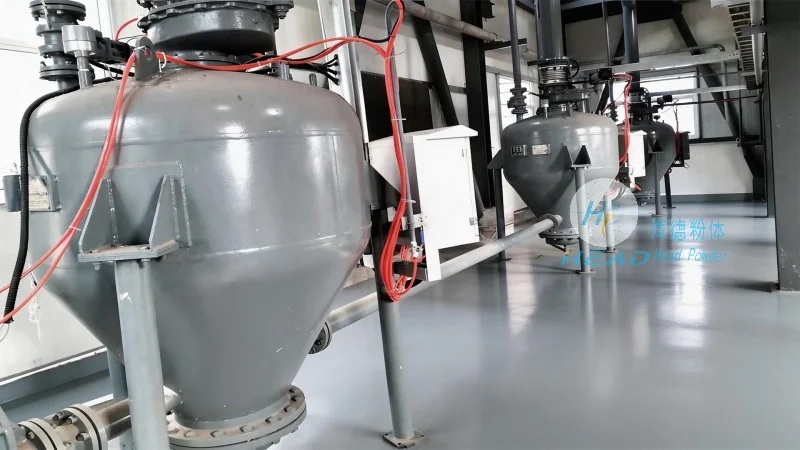
Key Components in Polyester Fiber Material Conveying Systems
The core components of a polyester fiber material conveying system typically include feeders, conveyors, control systems, and material handling accessories. Feeders are responsible for uniformly distributing the polyester fiber material into the conveying line, ensuring consistent flow rates. Conveyors, such as belt conveyors or pneumatic systems, transport the fibers through the system. Control systems monitor and regulate the operation, adjusting parameters like speed and pressure as needed. Material handling accessories, including hoppers, chutes, and filters, help manage the material's movement and prevent blockages.
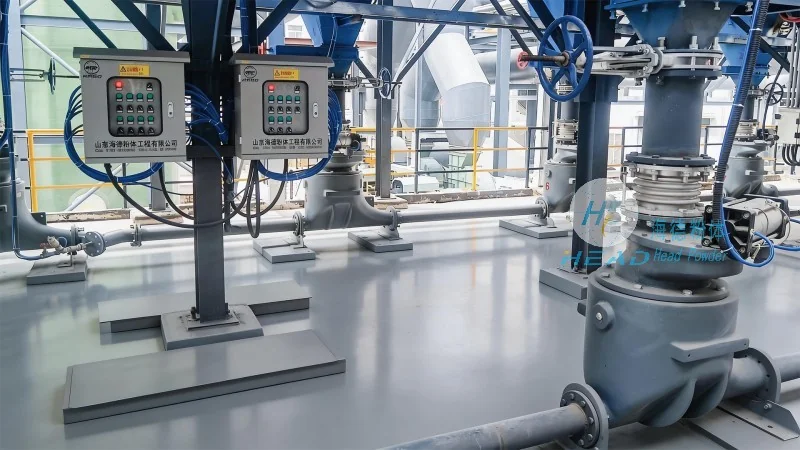
Operation Process of Polyester Fiber Material Conveying
The operation process of polyester fiber material conveying begins with material loading into the hopper. The feeder then evenly distributes the polyester fibers into the conveyor system. The conveyor transports the fibers through the pipeline or belt, moving them to the processing or storage areas. During this process, the system may incorporate cleaning or filtering steps to remove impurities, ensuring the fibers remain in optimal condition. The control system continuously monitors the flow rate and pressure, making real-time adjustments to maintain stable operation. Once the fibers reach the destination, they are discharged into the next stage of production or storage.
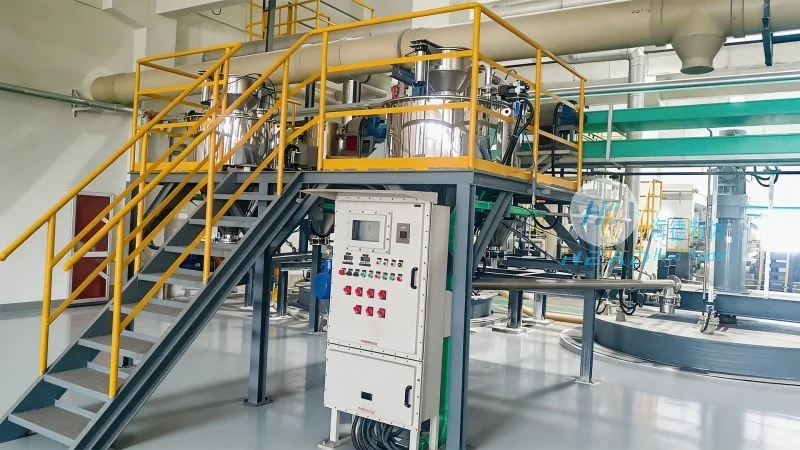
Working Principle of Polyester Fiber Material Conveying
The working principle of polyester fiber material conveying relies on mechanical or pneumatic forces to move the fibers. In mechanical systems, conveyors use belts or rollers to transport the fibers along a path. Pneumatic systems, on the other hand, utilize air pressure to push or pull the fibers through pipes. The system's design, including the angle of the conveyor and the type of material handling equipment, affects the efficiency of fiber movement. For polyester fibers, which are lightweight and can be prone to static, the system may incorporate anti-static measures to prevent material buildup and ensure smooth flow. The control system plays a vital role in coordinating the operation of all components, ensuring the conveying process is efficient and safe.
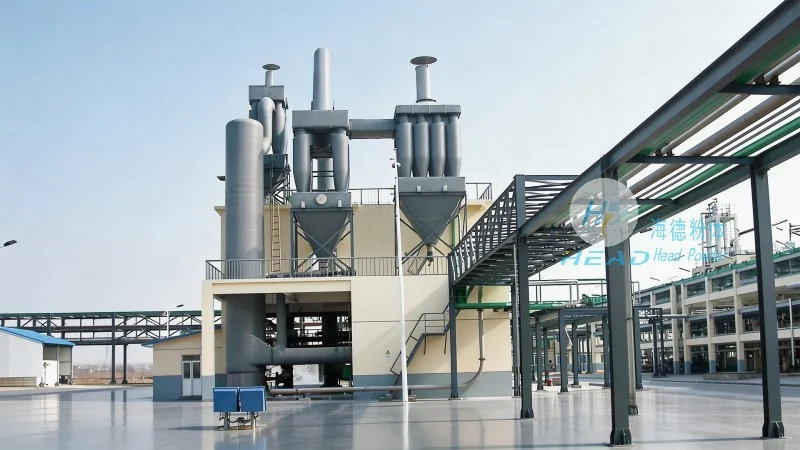
About Shandong HeadPowder Engineering Co., Ltd.
Shandong HeadPowder Engineering Co., Ltd., commonly known as HeadPowder, is a leading provider of material handling solutions for the polyester fiber industry. With a focus on innovation and quality, HeadPowder designs and manufactures conveying systems tailored to the specific needs of polyester fiber processing. The company's headquarters is located in Shandong, China, where it leverages local expertise and resources to deliver reliable and efficient solutions. HeadPowder's team of engineers and technicians work closely with clients to understand their production requirements and develop customized conveying systems that enhance operational efficiency and product quality. By combining advanced technology with practical application, HeadPowder ensures its systems meet the demands of modern polyester fiber processing while maintaining cost-effectiveness and durability.




