Understanding the operation process and working principle of polypropylene granule material conveying is crucial for optimizing industrial material handling systems. This article provides a detailed overview of the key components, mechanisms, and operational steps involved in efficiently transporting polypropylene granules, with a focus on the technical aspects that ensure reliable and efficient material movement.
Introduction to Polypropylene Granule Conveying Systems
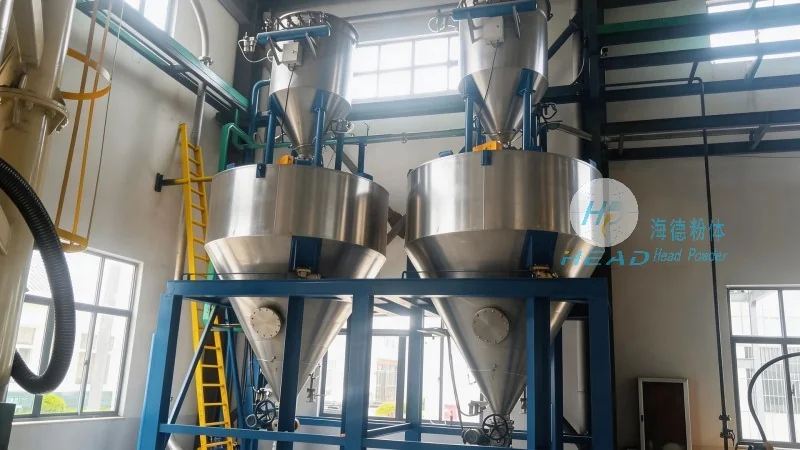
Polypropylene (PP) granules are widely used in various industrial applications due to their versatility and durability. The efficient conveyance of these granules from storage to processing units is essential for maintaining production efficiency and minimizing downtime. Conveying systems designed for polypropylene granules must address specific challenges such as material flow control, dust management, and the prevention of product degradation. The following sections will explore the operational workflow and underlying principles that govern the performance of these systems.
Key Components of Polypropylene Granule Conveying Systems
The effectiveness of polypropylene granule conveying systems relies on a combination of specialized components that work in tandem to ensure smooth material movement. These components include feeders, conveyors, control systems, and auxiliary equipment. Each component plays a critical role in the overall operation, and their proper integration is vital for achieving optimal performance.
Feeders: The Initial Stage of Material Handling
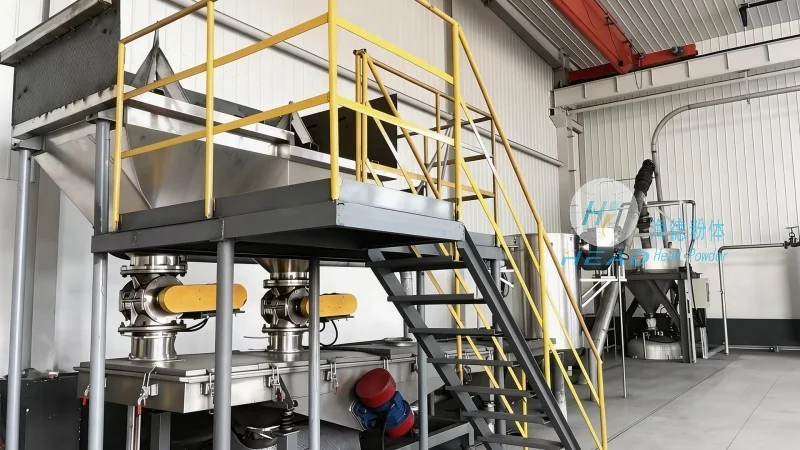
Feeders are the first components in the polypropylene granule conveying process, responsible for regulating the flow of material from storage bins or hoppers into the conveyor system. There are several types of feeders used in polypropylene granule handling, including rotary valves, vibratory feeders, and screw feeders. The choice of feeder depends on factors such as material characteristics, flow rate requirements, and system layout. For polypropylene granules, which are typically free-flowing but can be prone to bridging or segregation, rotary valves are commonly used due to their ability to provide consistent and controlled discharge rates. Vibratory feeders are also effective for breaking up agglomerates and ensuring uniform material flow. The feeder's design must account for the granule size, density, and moisture content to prevent blockages and maintain system efficiency.
Conveyors: The Core of Material Transport
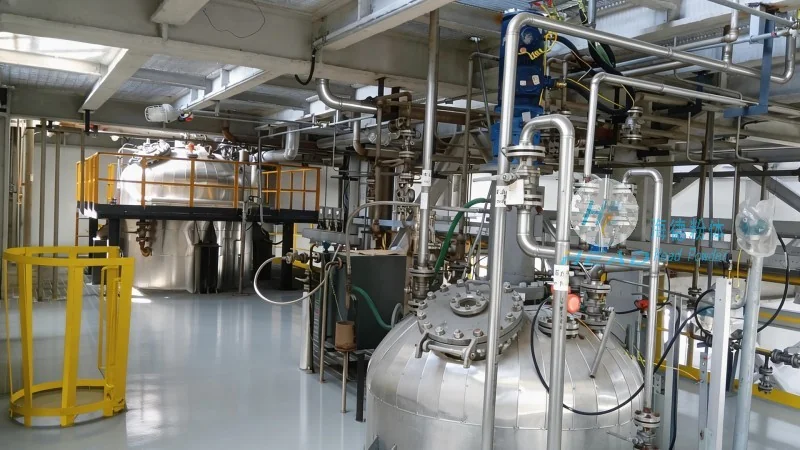
Conveyors are the primary means of transporting polypropylene granules from the feeder to the processing unit. Different types of conveyors are employed based on the application and distance requirements. Common conveyor types include belt conveyors, screw conveyors, and pneumatic conveyors. Belt conveyors are widely used for horizontal and inclined transport due to their high capacity and ability to handle a wide range of materials. Screw conveyors, or augers, are suitable for vertical or inclined transport and are particularly effective for materials that require gentle handling to avoid degradation. Pneumatic conveyors, or air slides, use compressed air to move granules through a pipeline, offering flexibility in system design and the ability to transport materials over longer distances. The selection of the conveyor type depends on factors such as the required throughput, distance, and the need for dust containment.
Control Systems: Ensuring Precision and Reliability
Control systems are integral to the operation of polypropylene granule conveying systems, as they monitor and regulate the flow of material, ensuring that the system operates within specified parameters. These systems typically include sensors, controllers, and automation software that provide real-time feedback on material levels, flow rates, and system performance. Sensors such as level detectors, flow meters, and pressure sensors are used to detect changes in the system and trigger appropriate responses. Controllers, often based on programmable logic controllers (PLCs), process the sensor data and adjust the feeder speed, conveyor speed, or other parameters to maintain stable operation. Automation software allows for the integration of multiple components and the implementation of complex control strategies, such as batch processing or dynamic flow adjustments. The control system's role is to minimize human intervention, reduce the risk of errors, and enhance the overall reliability of the conveying process.
Working Principle: How Polypropylene Granule Conveying Systems Operate
The working principle of polypropylene granule conveying systems involves a sequence of steps that ensure the material is transported efficiently and safely. The process begins with the storage of polypropylene granules in bulk containers or silos. The granules are then discharged from the storage vessel into a feeder, which regulates the flow rate. The feeder then delivers the granules to a conveyor, which transports them to the processing unit. The conveyor may be horizontal, inclined, or vertical, depending on the system layout. As the granules move through the conveyor, they are continuously monitored by sensors to ensure consistent flow. The control system adjusts the feeder and conveyor speeds as needed to maintain the desired flow rate. The entire process is designed to minimize material degradation, prevent dust generation, and ensure that the granules reach the processing unit in optimal condition.
Operational Steps in Polypropylene Granule Conveying
The operational steps involved in polypropylene granule conveying can be broken down into several key stages, each of which contributes to the overall efficiency of the system. The first stage is material storage, where polypropylene granules are stored in bulk containers or silos. The second stage is material discharge, where the granules are transferred from the storage vessel to the feeder. The third stage is material feeding, where the feeder regulates the flow of granules into the conveyor. The fourth stage is material transport, where the conveyor moves the granules to the processing unit. The fifth stage is material discharge from the conveyor, where the granules are delivered to the processing equipment. Each stage requires careful attention to detail to ensure that the material is handled properly and that the system operates smoothly. For example, during the feeding stage, the feeder must be adjusted to maintain a consistent flow rate, as fluctuations can lead to uneven material distribution or blockages in the conveyor. During the transport stage, the conveyor speed must be optimized to prevent material degradation or excessive wear on the conveyor components.
Maintenance and Optimization of Polypropylene Granule Conveying Systems
Maintaining and optimizing polypropylene granule conveying systems is essential for ensuring long-term performance and minimizing operational costs. Regular maintenance activities include cleaning the feeder and conveyor, inspecting for wear and tear, and checking the control system for proper operation. Cleaning is particularly important for polypropylene granules, as they can accumulate on conveyor surfaces and cause blockages or contamination. Inspecting the conveyor components, such as belts, screws, and bearings, helps to identify potential issues before they lead to system failure. The control system should be checked regularly to ensure that sensors are functioning correctly and that the automation software is up to date. Optimization of the system involves adjusting parameters such as feeder speed, conveyor speed, and flow rate to achieve the desired throughput while minimizing energy consumption and wear on components. By implementing a regular maintenance schedule and optimization strategies, the performance of polypropylene granule conveying systems can be enhanced, leading to increased productivity and reduced downtime.
Conclusion: The Importance of Understanding Polypropylene Granule Conveying
In conclusion, the operation process and working principle of polypropylene granule material conveying are critical for the efficient and reliable handling of this important industrial material. The integration of specialized components, such as feeders, conveyors, and control systems, along with a thorough understanding of the material's characteristics, ensures that polypropylene granules are transported safely and effectively. By following the operational steps and maintenance guidelines outlined in this article, industrial facilities can optimize their material handling systems and improve overall production efficiency. The expertise of companies like Shandong HeadPowder Engineering Co., Ltd., with its focus on engineering solutions for material conveying, plays a vital role in the design and implementation of effective polypropylene granule conveying systems. Their commitment to quality and innovation helps to ensure that industrial operations can meet the demands of modern manufacturing while maintaining high standards of safety and efficiency.




