HeadPowder, a leading manufacturer based in Shandong, China, specializes in the design and production of advanced powder conveying systems tailored for soybean grain handling. The soybean grain powder conveying machine is a critical piece of equipment in the agricultural and food processing industries, ensuring efficient and safe transportation of soybean powders from storage to processing units. This article provides a detailed overview of the operation process and working principles of such machines, highlighting their key components, operational procedures, and the technological advancements that enhance their performance.
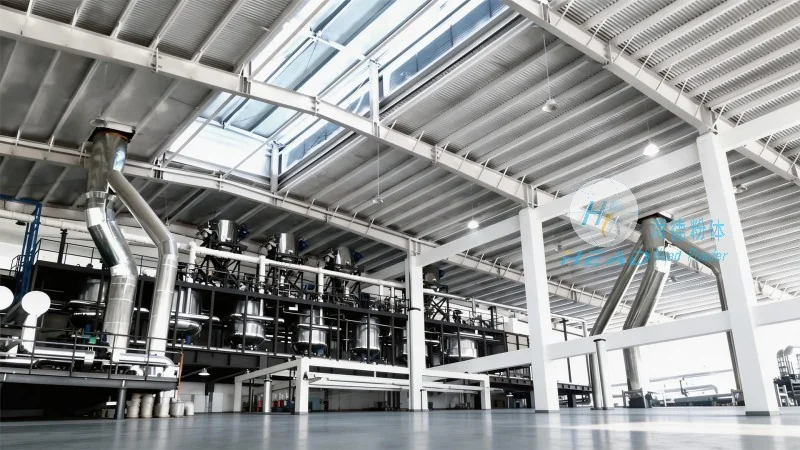
Key Components of the Soybean Grain Powder Conveying Machine
The soybean grain powder conveying machine consists of several essential components that work in harmony to achieve efficient material handling. The primary components include the hopper, which serves as the storage and feeding chamber for the soybean grains; the conveyor mechanism, which can be either pneumatic or mechanical depending on the system design; the control panel, equipped with sensors and automation features for precise operation; and the discharge outlet, which directs the conveyed material to the next processing stage. Each component is engineered to withstand the abrasive nature of soybean powders and ensure consistent performance over extended periods.
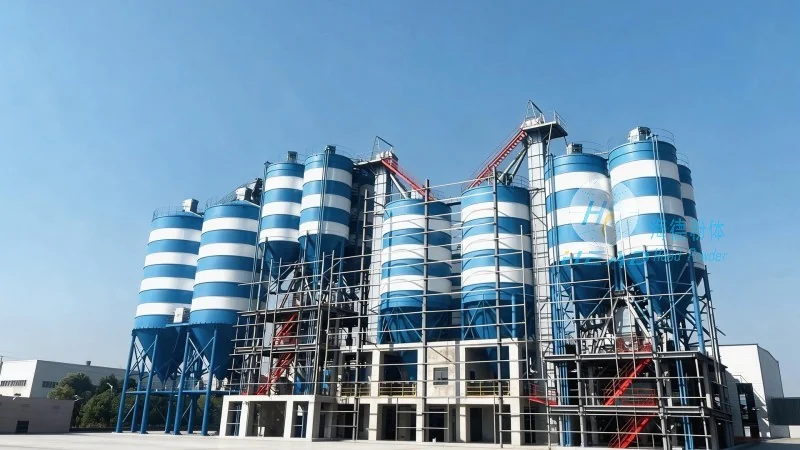
Working Principle of the Soybean Grain Powder Conveying Machine
The operation of the soybean grain powder conveying machine is based on the principles of pneumatic or mechanical transport, depending on the specific system configuration. In pneumatic systems, the machine uses compressed air to create a pressure differential that propels the soybean powders through a pipeline. The hopper feeds the material into the conveying line, and the air flow carries the particles, maintaining a consistent flow rate. In mechanical systems, such as screw conveyors or belt conveyors, the machine relies on rotating components to move the material along the conveyor path. The control panel monitors parameters like pressure, flow rate, and temperature to ensure optimal operation and prevent blockages or overloading.
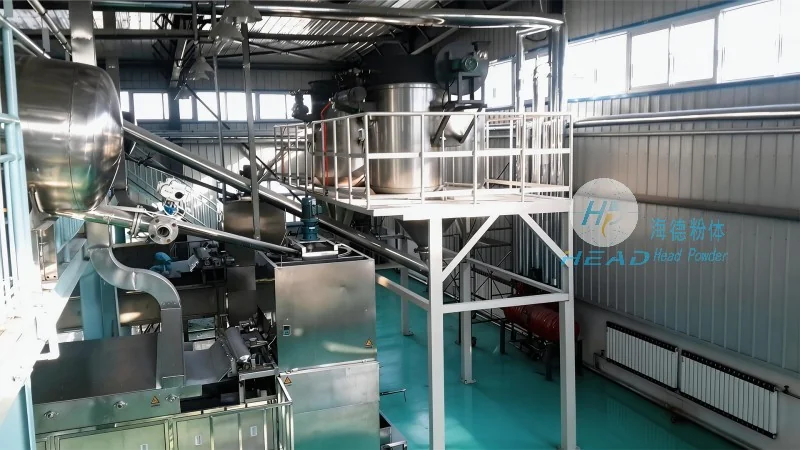
Operation Process of the Soybean Grain Powder Conveying Machine
The operation process of the soybean grain powder conveying machine typically involves several sequential steps to ensure smooth and efficient material handling. First, the soybean grains are loaded into the hopper from a storage silo or container. The hopper is equipped with a feeder that regulates the flow rate of the material into the conveying system. Next, the conveying mechanism is activated, either by the pneumatic or mechanical action, to start the transport process. The material is then moved through the pipeline or conveyor path to the discharge outlet, where it is collected in a processing tank or storage vessel. The control panel continuously monitors the system's performance, adjusting parameters as needed to maintain a stable flow rate and prevent any operational issues. Finally, the machine is shut down in an orderly manner, with the hopper and conveying lines cleared of any residual material to prepare for the next batch.
Technological Advancements and Efficiency Enhancements
Modern soybean grain powder conveying machines incorporate several technological advancements that enhance their efficiency, reliability, and safety. These include advanced sensors for real-time monitoring of material flow and pressure, automated control systems that adjust operation based on feedback, and materials of construction that resist corrosion and wear from the soybean powders. Additionally, the use of energy-efficient motors and optimized air flow designs reduces operational costs and environmental impact. These advancements ensure that the machine operates with minimal downtime, high throughput, and consistent product quality, making it an essential asset for soybean processing facilities.
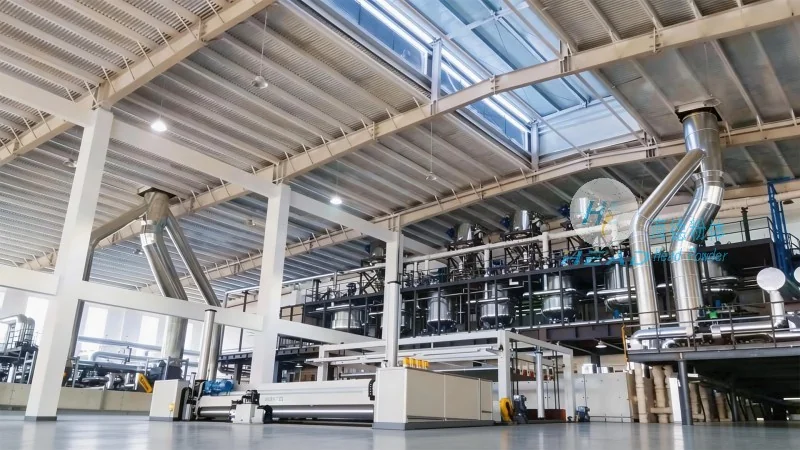
Applications and Benefits in Soybean Processing
The soybean grain powder conveying machine is widely used in various stages of soybean processing, including storage, transportation, and preparation for further processing such as oil extraction or protein production. Its primary benefits include efficient material handling, reduced labor costs, improved safety by minimizing manual handling of powders, and consistent product quality due to controlled flow rates. The machine's ability to handle large volumes of soybean powders with minimal loss or degradation makes it a preferred choice for industrial-scale soybean processing operations. By integrating this equipment into their processing lines, manufacturers can enhance productivity, reduce operational costs, and maintain compliance with industry standards for material handling.




